Split, Croatia: Roman Ruins, Beaches and Island Hops
Most cities preserve their ruins behind ropes. Split lives inside them. Diocletian's Palace, built around 305 AD as the retirement home of a Roman emperor, is now a maze of apartments, bars and shops where ancient walls double as someone's living-room wall. That blend of working city and living monument is what makes Split feel so different from a polished open-air museum — and it's the best base you'll find for exploring central Dalmatia.
Explore Diocletian's Palace
Enter through the Bronze Gate from the seafront and you step straight into the palace cellars, then up into the Peristyle, the columned central square. Climb the cathedral bell tower for a view over the terracotta rooftops. Unlike a museum, much of the palace is free to wander at any hour.
A few orientation tips:
- The four gates — Bronze (sea side), Silver (east), Iron (west) and Golden (north) — are your reference points. The Golden Gate opens onto the towering statue of Gregory of Nin; rub his shiny big toe for the traditional bit of good luck.
- The Cathedral of St. Domnius is built into Diocletian's own mausoleum, a strange and wonderful reuse of history. The bell tower is a separate (worth-it) ticket with steep, narrow stairs.
- Go early or late. The Peristyle and the cellars are atmospheric at 8am when they're nearly empty, and again in the evening when the cafés set out their tables under the columns.
Hit the Riva and Marjan hill
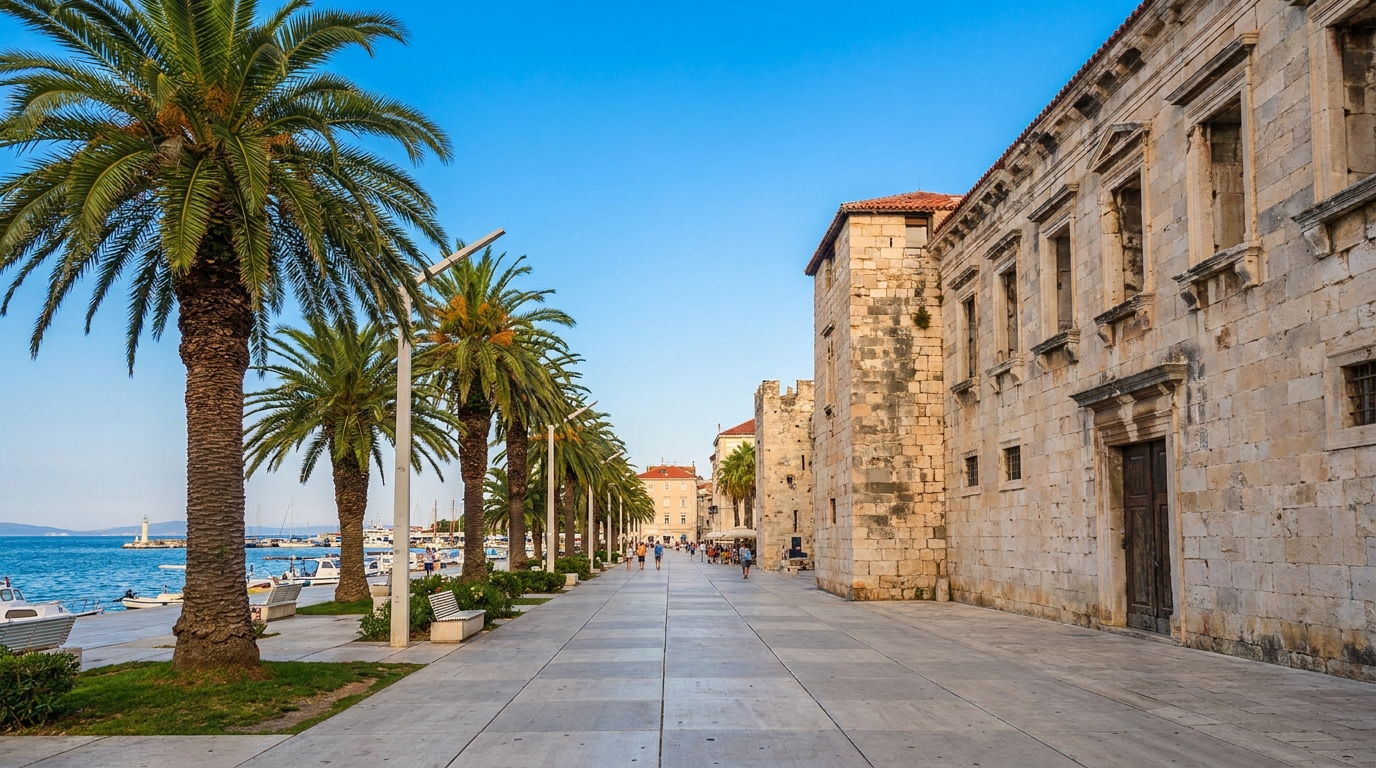
The Riva is Split's palm-lined waterfront promenade — the place for an evening coffee and people-watching. For a workout and a view, hike up Marjan, the forested hill on the city's western edge, where pine-scented trails lead to viewpoints and quiet pebble coves.
Marjan is where locals go to escape the summer crowds. Start from the steps behind the Varoš neighbourhood, climb to the Telegrin viewpoint at the top, and reward yourself afterward with a swim at one of the small coves like Bene on the way down. The whole loop is a half-day at most and feels a world away from the palace bustle.
For beach time closer in, Bačvice is the famous city beach — a rare sandy bay where locals play picigin, a splashy keep-the-ball-up game invented right here.
Use Split as an island springboard
Split's ferry port is one of the busiest on the Adriatic. From here you can reach Hvar, Brač (home of the famous Zlatni Rat beach), Vis and Korčula. Day trips are doable, but staying a night on an island gives you the magical early-morning and evening hours after the day boats leave.
Quick guide to your options:
- Brač — closest and easiest, home to the iconic Zlatni Rat (Golden Horn) beach near Bol.
- Hvar — lively, glamorous and lavender-scented; about an hour by fast catamaran.
- Vis — the most remote and unspoiled, with the famous Blue Cave nearby on Biševo.
- Korčula — a mini walled town often called "little Dubrovnik," good for a slower pace.
If you can, build the trip around a couple of overnights rather than a string of day trips — the islands transform once the last catamaran of day-trippers departs.
Best time to visit
- Late May, June and September are ideal: warm sea, long days and thinner crowds than midsummer.
- July and August bring the hottest weather, the busiest ferries and the highest prices, but also the most nightlife and the fullest ferry schedule.
- April, October and the shoulders are pleasant for sightseeing and walking, with cooler water and a noticeably quieter city.
- Winter is mild and local, with a relaxed café culture and very few tourists, though some island connections thin out.
How to get there and get around
Split is one of the most connected cities in Croatia. The airport sits about 25 km west, near Trogir, linked by an affordable shuttle bus, local buses and taxis. The city also has good train and long-distance bus links to Zagreb and up the coast, and the ferry terminal sits right beside the bus and train stations, which makes onward travel refreshingly simple.
Within Split you'll barely need transport — the Old Town is fully walkable, and most sights are within a 15-minute stroll of the Riva. For beaches and Marjan, your own two feet or a short local bus ride will do.
Where to stay
- Inside or beside the palace walls puts you in the thick of it, with the trade-off of summer noise, stairs and premium prices.
- Varoš and Veli Varoš, the old fishermen's quarters just west of the centre, offer stone-house charm and quick access to both the Riva and Marjan.
- Bačvice and the eastern bays suit beach-focused visitors who still want a short walk into town.
- Near the ferry port is the most practical choice if you're island-hopping with early-morning departures.
What things roughly cost
Split is more affordable than Dubrovnik but pricier than inland Croatia, especially in peak summer. The biggest variable costs are accommodation in July and August and ferry tickets if you're island-hopping (catamarans cost more than car ferries but are faster). Wandering the palace is largely free; you'll pay modest tickets for the cathedral, bell tower and cellars. Save money by eating at konobas (traditional taverns) a few streets back from the Riva and shopping at the lively Pazar green market by the Silver Gate.
Common mistakes and what to skip
- Don't treat Split as just a ferry transit point. Plenty of travellers blow through on the way to the islands and miss a genuinely great city — give it at least a full day.
- Don't dine directly on the Riva if you care about value; the food a few lanes inland is better and cheaper.
- Skip driving into the Old Town — it's pedestrianised and parking is a headache. If you have a rental car, park outside and walk.
- Don't leave ferry tickets to the last minute in peak season; popular routes and car spaces sell out.
Practical tips
- Buy ferry tickets in advance through the official operators during summer, and arrive early if you're taking a car across.
- Stay slightly outside the palace walls if you want a quieter night — the central squares stay lively late.
- Carry some cash for markets, small konobas and island spots, even though cards are widely accepted.
- Tap water is safe and good to drink, so refill your bottle and skip buying plastic.
The bottom line
Split rewards travellers who slow down. It's a living Roman palace, a buzzing waterfront, a forested hill of swimming coves, and the gateway to Dalmatia's best islands — all in one walkable package. Give it more than a transit stop, and it may end up being your favourite part of the coast.

Maja grew up in Split and has been writing about the Dalmatian coast for over a decade. She spends her summers island-hopping by ferry and her winters tracking down the konobas and viewpoints the tour buses miss. She covers our destination guides for Croatia and the wider Adriatic.
More about our writers →More in Destinations
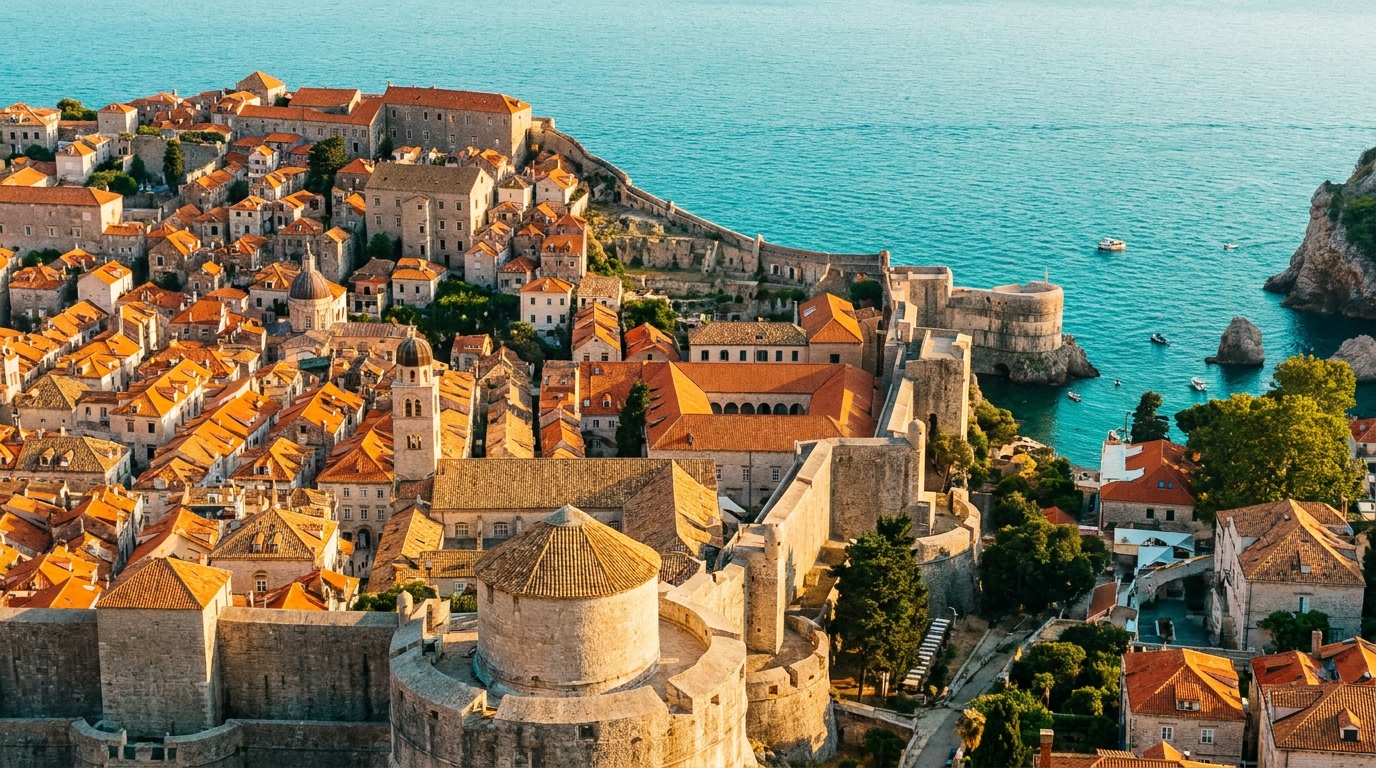
A First-Timer's Guide to Dubrovnik's Old Town
Dubrovnik's walled Old Town is compact, dramatic and easy to walk — here's how to see the best of it without the crowds.
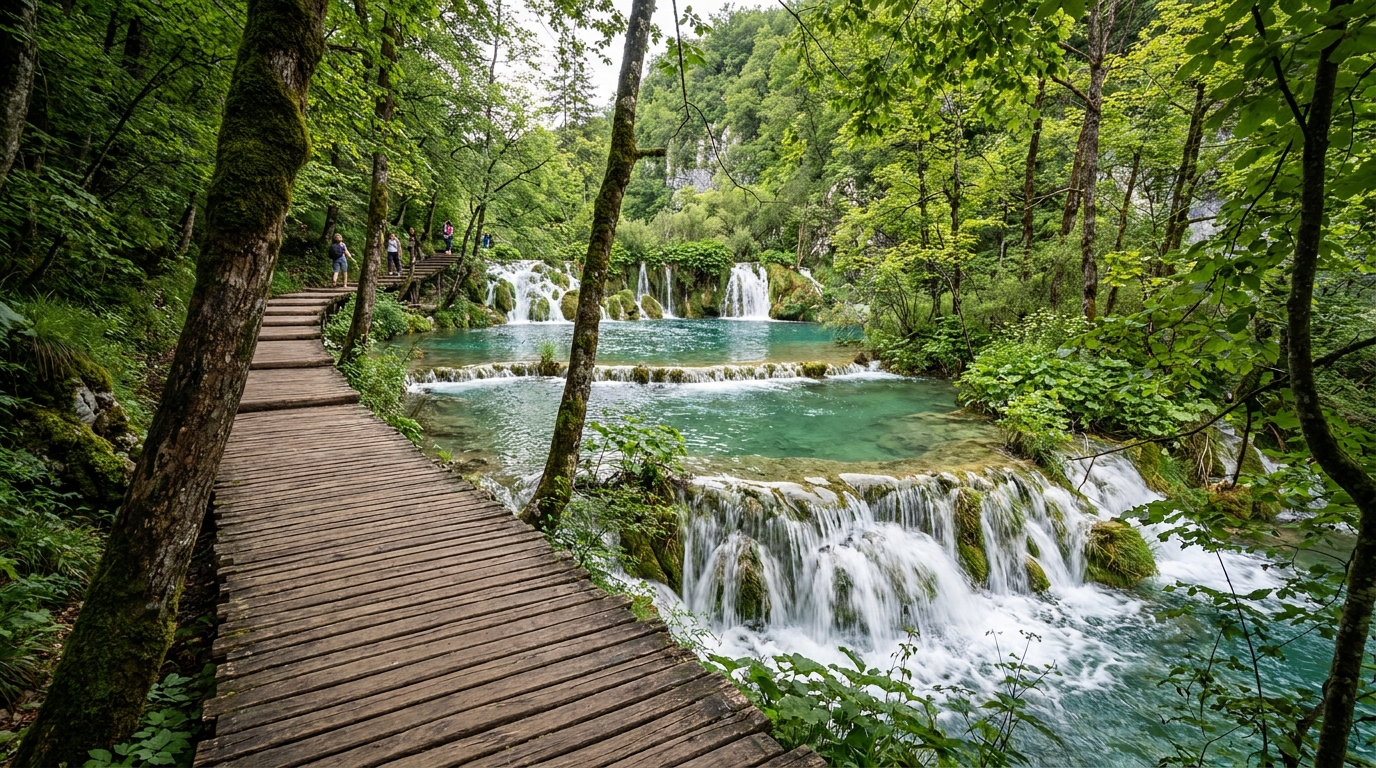
Plitvice Lakes: How to Visit Croatia's Waterfall Wonderland
Sixteen terraced lakes linked by waterfalls and wooden walkways make Plitvice unforgettable — if you arrive early and pick the right route.
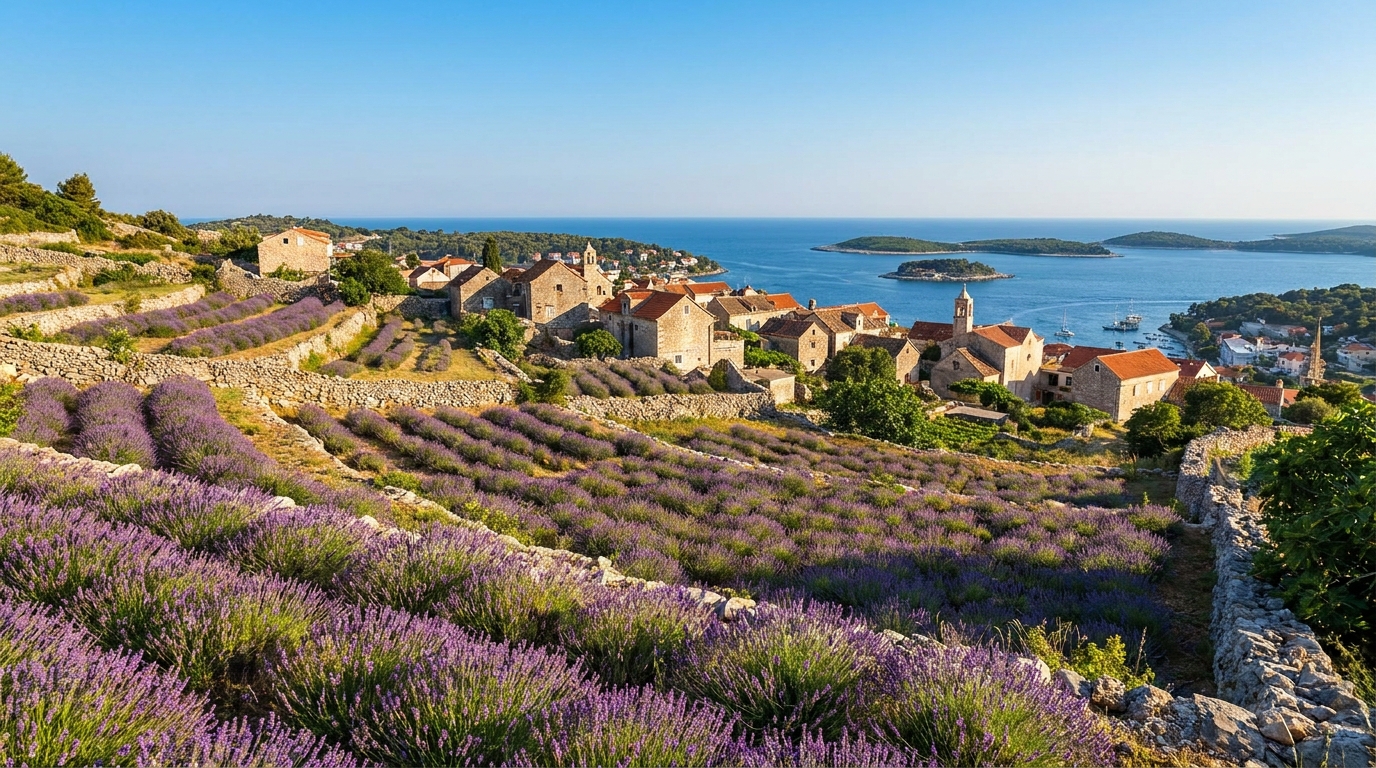
Hvar Island: Lavender Fields, Hidden Coves and Nightlife
Hvar has a reputation as a party island, but spend a few days and you'll find lavender hills, sleepy stone villages and some of the clearest water in Croatia.