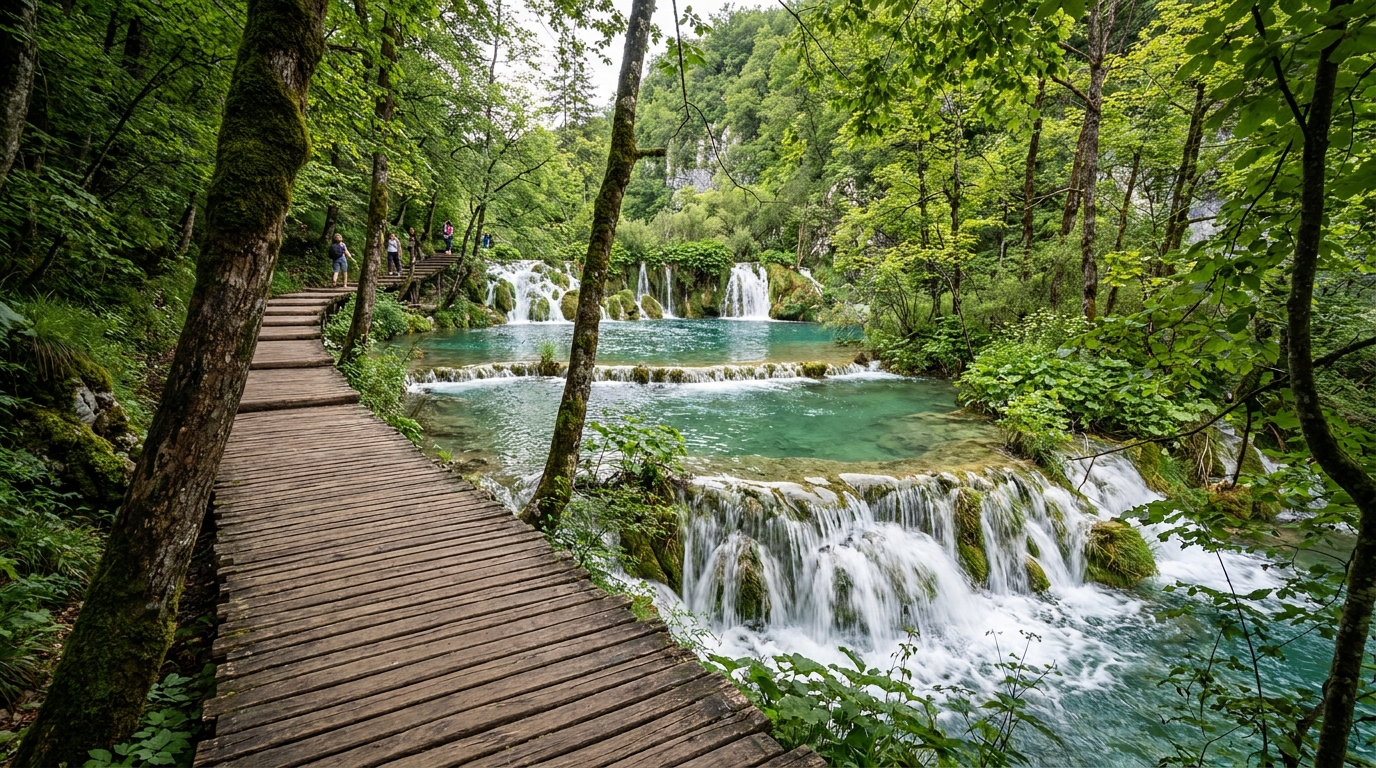
Plitvice Lakes: How to Visit Croatia's Waterfall Wonderland
Plitvice Lakes National Park is Croatia's oldest and most famous national park, a UNESCO World Heritage site where mineral-rich water has built natural travertine dams over thousands of years. The result is a staircase of turquoise lakes connected by hundreds of waterfalls. It's genuinely one of the most beautiful places in Europe — and with a little planning, you can experience it without feeling like you're queuing through it.
Arrive before the gates get busy
Plitvice is hugely popular, and the wooden boardwalks are narrow. The single best decision you can make is to arrive at opening (8am in summer) or to enter in the late afternoon. Midday between 10am and 2pm is when tour buses arrive and the walkways back up.
Because the boardwalks are often one person wide with no railings and no passing room, a crowd doesn't just slow you down — it stops you. Arriving early means you walk at your own pace, get clear photos, and reach the famous Veliki Slap (the park's tallest waterfall) before the crush. If you can only choose one thing from this entire guide, make it this.
Choose your route
The park publishes lettered routes ranging from a couple of hours to a full day. Route C is a popular all-rounder: it covers both the Lower and Upper Lakes and includes a boat ride across the largest lake and a panoramic shuttle. Pick up a map at the entrance and follow the colour-coded signs.
Here's how the main options compare:
- Shorter routes (A, B, E) focus mostly on the Lower Lakes and Veliki Slap. Good if you have only a few hours or limited stamina.
- Route C is the classic full experience — Lower and Upper Lakes, the electric boat across Lake Kozjak, and the shuttle. Allow 4 to 6 hours.
- Route K is the long loop for serious walkers who want to see everything on foot.
There are two entrances: Entrance 1 sits beside the Lower Lakes and Veliki Slap, while Entrance 2 is closer to the Upper Lakes and the boat dock. Your route choice and which entrance you start from go hand in hand, so decide before you arrive.
What to bring
Wear proper walking shoes — the boardwalks can be wet and slippery. Bring water and snacks, as food options inside are limited and pricey. Swimming is not allowed anywhere in the park to protect the fragile travertine.
A few more things worth packing:
- A light rain layer. Mist from the falls and quick mountain showers are common, even in summer.
- A refillable water bottle — there are taps near the entrances.
- A hat and sunscreen for the open boat ride and exposed upper sections.
- Cash and a small daypack, and shoes you don't mind getting damp on the spray-soaked planks.
When to visit and what each season offers
- Late spring (May–June) is arguably the best: snowmelt makes the waterfalls thunder, the forest is vivid green, and crowds are lighter than midsummer.
- Summer (July–August) has the most reliable weather but the biggest crowds and highest ticket prices — early arrival is essential.
- Autumn (September–October) brings golden foliage reflected in the lakes and a calmer atmosphere.
- Winter transforms the park into a frozen, silent wonderland of ice-fringed falls, though some boardwalks, boats and shuttles close and routes are reduced. Always check current conditions before a winter visit.
How to get there and get around
Plitvice sits roughly midway between Zagreb and the Dalmatian coast, about a two-to-three-hour drive from either Zagreb or Zadar/Split. Most visitors arrive:
- By car — the most flexible option, letting you arrive at opening before the buses. There's paid parking at both entrances.
- By intercity bus — frequent services run along the Zagreb–Split route and stop near the park entrances; tell the driver you want Plitvice.
- On an organised day tour — convenient but you'll arrive at peak time with everyone else, so weigh the trade-off.
Inside the park, getting around is part of the experience: a free electric boat crosses Lake Kozjak and panoramic shuttle buses link the upper and lower sections, both included with your ticket.
Stay nearby to beat the rush
Sleeping in one of the small guesthouses just outside the park lets you be first through the gate. From Zagreb or the coast it's a two-to-three-hour drive, so a day trip works but an overnight stay is far more relaxed.
The villages immediately around the entrances — places like Mukinje, Jezerce and Rastovača — are full of family-run guesthouses and sobe (rooms) within walking or short-driving distance. Staying here means you can be at the gate at opening and be deep into the lakes before the first tour bus even leaves its hotel.
What things roughly cost
Plitvice's main cost is the park entry ticket, which is priced by season — significantly higher in peak summer than in the shoulder and winter months, and discounted for students and children. Tickets include the boat and shuttle. Beyond that, expect food and drink inside the park to be limited and marked up, so bring your own. Guesthouses just outside the park are generally good value compared with coastal hotels.
Common mistakes and what to skip
- Don't arrive at midday in summer. The boardwalks become a slow-moving conveyor belt.
- Don't skip booking a timed entry ticket in advance during peak season — the park caps daily numbers and slots sell out.
- Don't try to swim or step off the boardwalks; it's prohibited and harmful to the fragile travertine.
- Don't bring large suitcases or oversized backpacks onto the narrow boardwalks — you'll struggle and so will everyone behind you.
- Don't rush a single short route if you've travelled far; give yourself half a day to actually enjoy it.
Frequently asked questions
How long does a visit take? Anywhere from 2–3 hours for a short route to a full day for the complete loop. Most people are happy with 4–6 hours on Route C.
Is it stroller- or wheelchair-friendly? Mostly no — the boardwalks have steps and uneven sections. There is a limited accessible route; check with the park in advance.
Can I visit in winter? Yes, and it's stunning, but services are reduced and some trails close for safety. Verify what's open before you go.
Do I need to book ahead? In summer, yes — buy a timed ticket online to guarantee entry.
The bottom line
Plitvice is a once-in-a-lifetime kind of place, and the difference between a magical visit and a frustrating one comes down to timing. Arrive at opening (or late afternoon), pick a route that matches your stamina, wear good shoes, and stay nearby so you can beat the buses. Do that, and you'll have those mirror-still turquoise lakes and roaring falls largely to yourself.

Ivan plans the routes. A lifelong hiker based in Zagreb, he has walked the boardwalks of Plitvice and Krka in every season and mapped out countless Croatia and Balkans road trips for friends before turning it into a job. He writes our itineraries and national-park guides.
More about our writers →More in Destinations
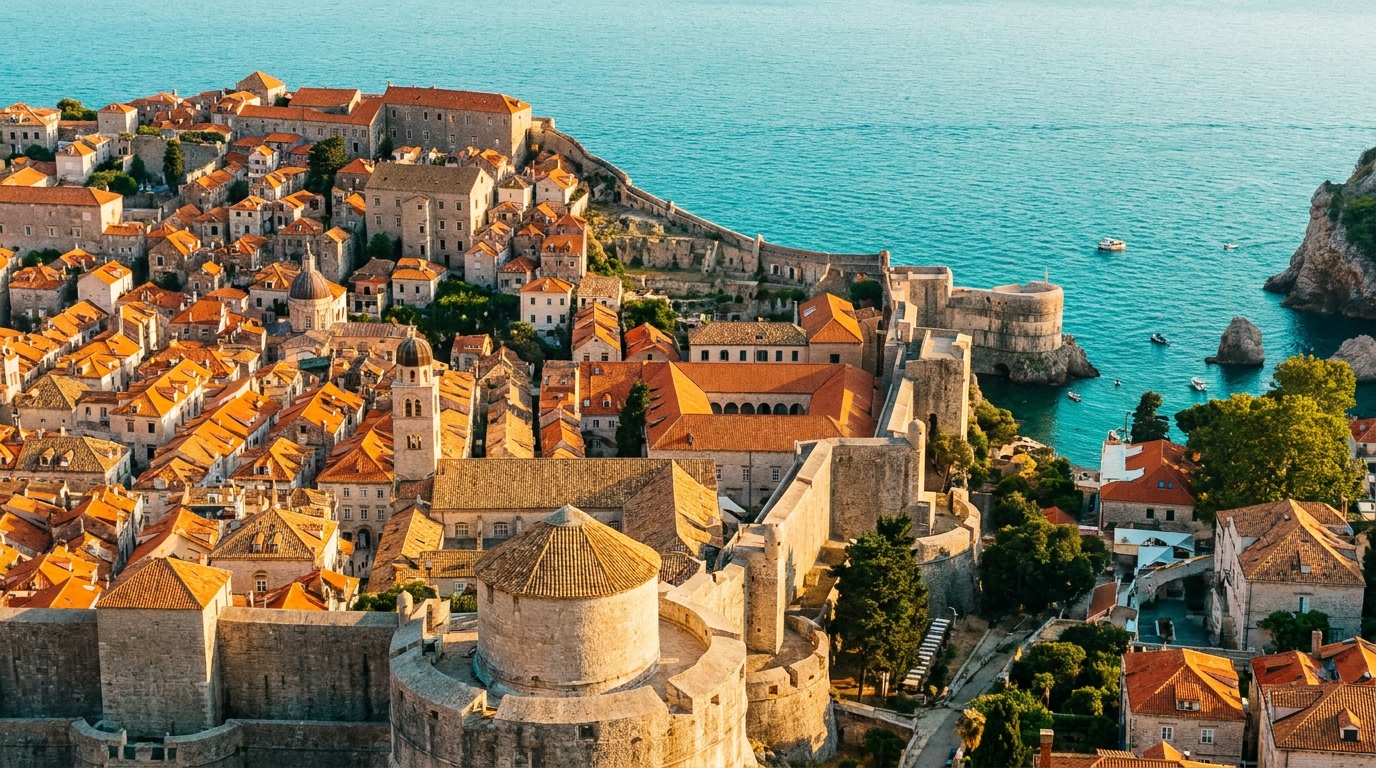
A First-Timer's Guide to Dubrovnik's Old Town
Dubrovnik's walled Old Town is compact, dramatic and easy to walk — here's how to see the best of it without the crowds.
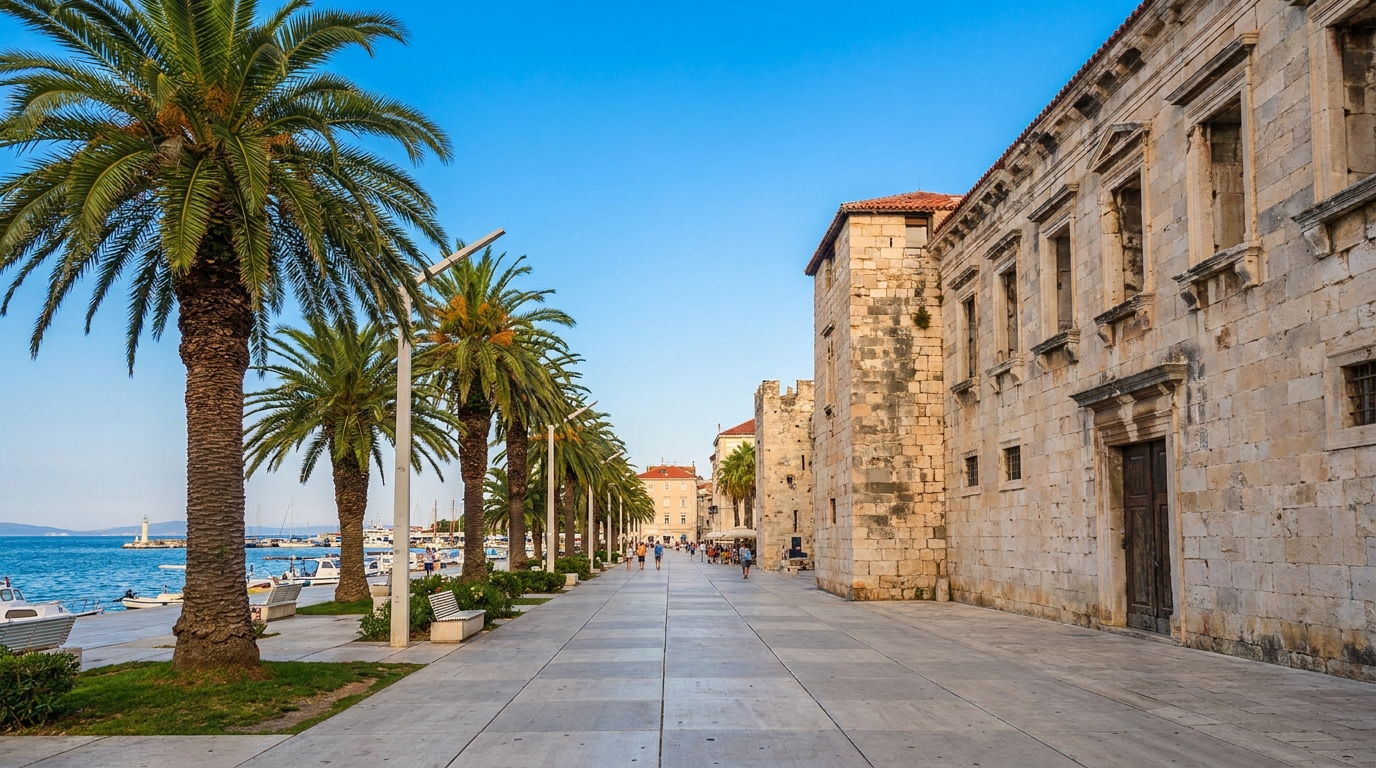
Split, Croatia: Roman Ruins, Beaches and Island Hops
Built inside a 1,700-year-old Roman palace, Split is a living city and the best base for exploring central Dalmatia.
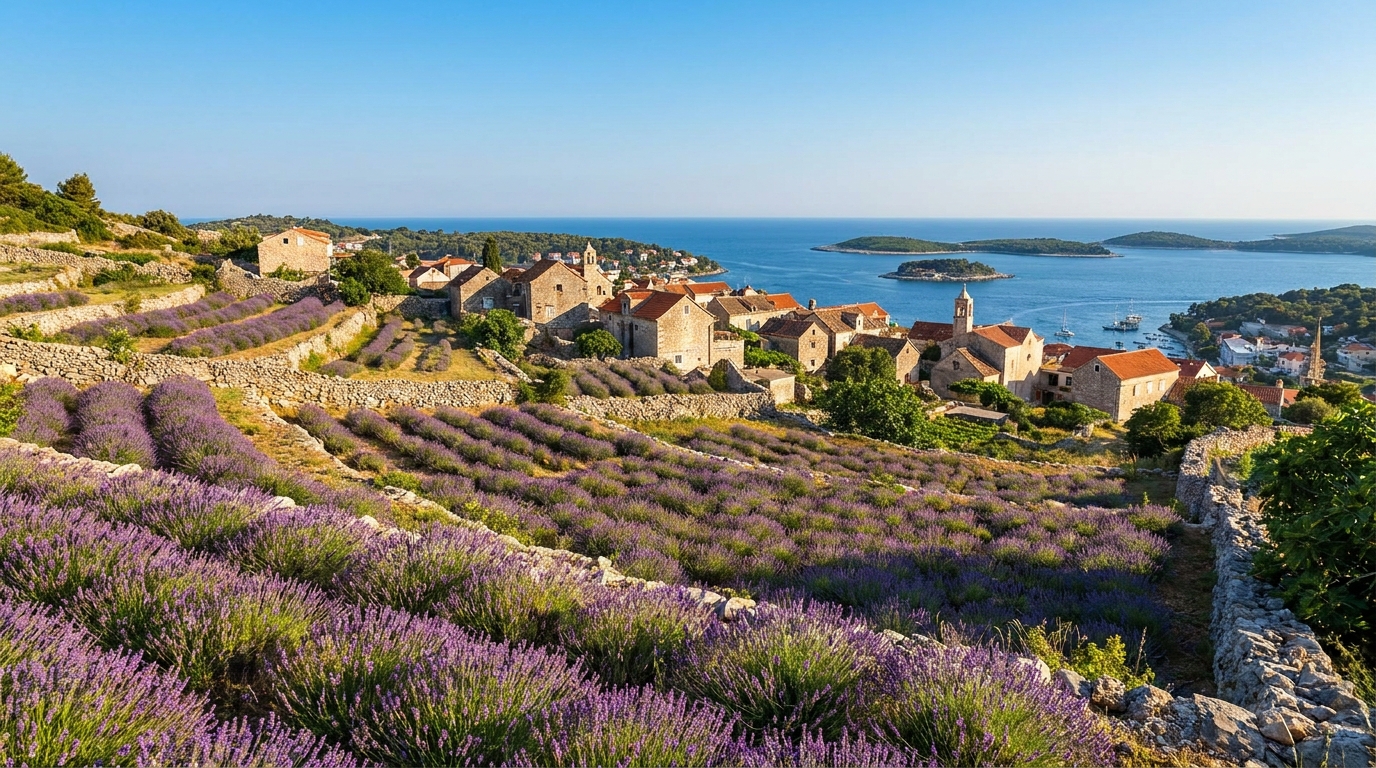
Hvar Island: Lavender Fields, Hidden Coves and Nightlife
Hvar has a reputation as a party island, but spend a few days and you'll find lavender hills, sleepy stone villages and some of the clearest water in Croatia.