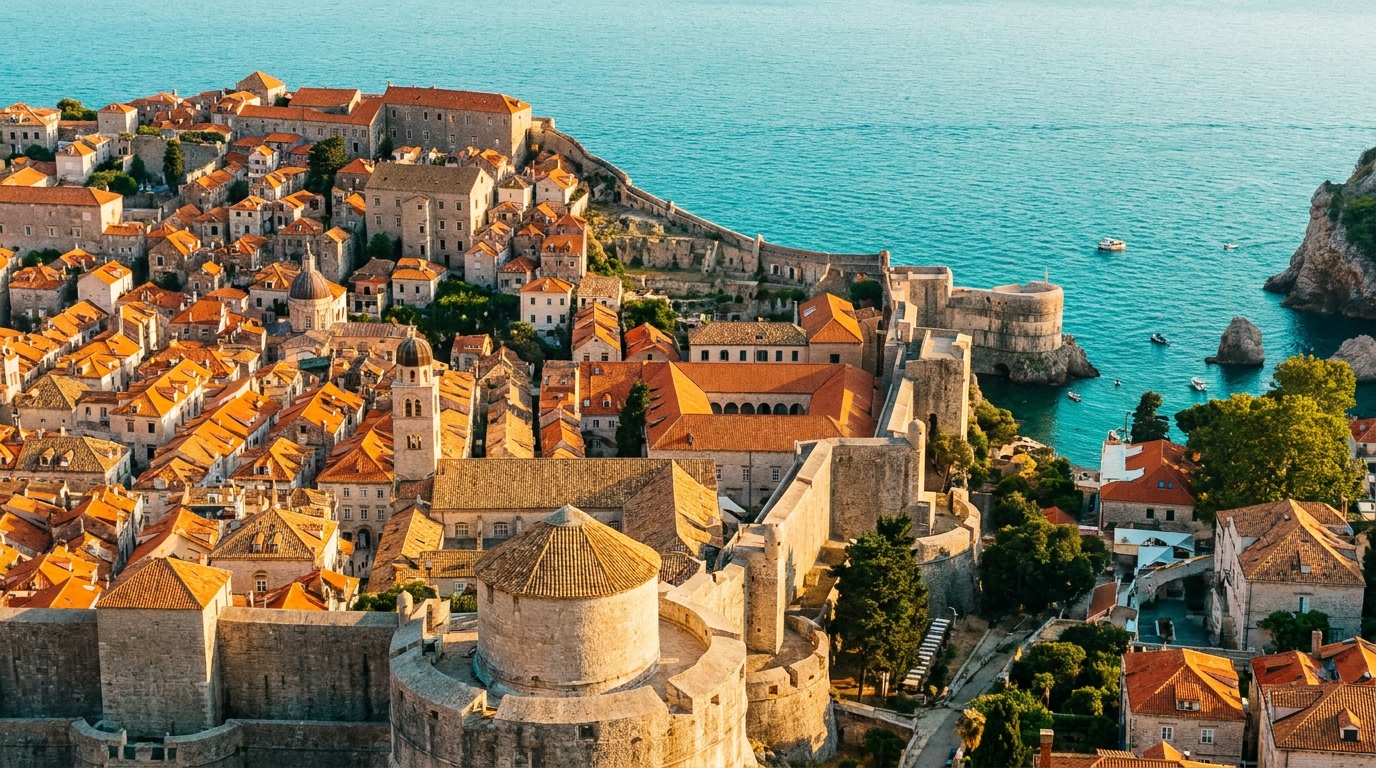
A First-Timer's Guide to Dubrovnik's Old Town
Dubrovnik's Old Town is one of the most photographed places on the Adriatic, and for good reason. Honey-coloured limestone streets, baroque churches and a sea-facing city wall make it feel like an open-air museum. The catch is that everyone knows this, so timing and a little planning go a long way — and once you understand the rhythm of the place, it's surprisingly easy to enjoy it on your own terms.
Walk the city walls first
The 1,940-metre loop around the walls is the single best thing to do in Dubrovnik. Go right at opening time (usually 8am) or in the last two hours before closing, when the light is soft and the cruise crowds have thinned. Bring water and a hat — there is almost no shade up top.
A few things worth knowing before you climb:
- The loop is one-directional and takes 1.5 to 2 hours at a relaxed pace with photo stops. There's no shortcut once you're committed, so use the toilet and fill your water bottle first.
- Wear proper shoes. The walkway is uneven stone with plenty of steep stair sections. Flip-flops are a recipe for blisters.
- Go counter-clockwise from the Pile Gate entrance to get the dramatic sea-and-Lokrum views early, while you still have energy and good light.
- The ticket also includes Fort Lovrijenac, the freestanding fortress on the cliff just outside the walls. Most people skip it, which is exactly why it's worth the detour.
Get lost in the side streets
The main pedestrian artery, the Stradun, is beautiful but busy. The real charm is in the steep alleys that climb north from it. Wander up a few flights of stairs and you'll find quiet cafés, laundry lines and locals going about their day, all within a two-minute walk of the crowds.
These northern lanes climb toward the old walls and reward you with shade, hidden wine bars and small family-run restaurants that don't bother with the touristy menus down on the main drag. If you only do one thing here, climb the stairs to the area around Prijeko Street in the early evening and pick somewhere that looks busy with locals rather than the host waving a laminated menu at you.
Time your visit around the cruise ships
Dubrovnik can receive several large cruise ships in a single morning. Check a cruise schedule before you go and aim to explore the walls and main sights early, then escape to Lokrum island or a swimming spot in the afternoon when the town is busiest.
The pattern is predictable: ships dock in the morning, disgorge thousands of day-trippers between roughly 9am and 4pm, then sail off in the evening. The town empties dramatically after about 6pm. This is the secret to loving Dubrovnik — treat the middle of the day as time to be elsewhere, and own the early mornings and evenings.
Where to cool off
Just outside the walls, Buža Bar clings to the cliffs and is the classic spot for a sunset drink above the sea. For an actual swim, take the short boat to Lokrum, a green island nature reserve with rocky beaches and peacocks roaming the old monastery gardens.
Other good ways to beat the heat:
- Banje Beach, a short walk east of the Old Town, offers the postcard view back at the walls (it gets busy, so go early).
- The Cable Car up Mount Srđ delivers a sweeping panorama of the Old Town and the islands. Sunset is spectacular; the line at peak times is not.
- Kayaking around the walls and over to Lokrum is a fun half-day, with operators launching from a small beach just outside the Pile Gate.
Best time to visit
- May, June and September are the sweet spot: warm sea, long days and noticeably thinner crowds than July and August.
- July and August are hot, expensive and packed. It's still doable if you embrace the early-morning, late-evening strategy, but expect to share every viewpoint.
- April and October are lovely and cheap, with comfortable walking weather, though the sea is cool for swimming and some island ferries run reduced schedules.
- Winter is quiet and atmospheric — many restaurants close, but the town has a calm, lived-in feel and prices drop sharply.
How to get there and get around
Dubrovnik's airport is about 20 km southeast of the city, connected by an affordable shuttle bus that runs in sync with flights, plus taxis and ride apps. The Old Town itself is completely pedestrian — you'll walk everywhere inside the walls, and there's a fair amount of climbing on stairs, so pack light and wear comfortable shoes.
For getting beyond the centre, local buses are cheap and reliable. If you're island-hopping or heading up the coast, the ferry and catamaran port at Gruž is a short bus ride from the Old Town. Note that Dubrovnik is geographically cut off from the rest of Croatia by a short strip of Bosnia and Herzegovina, so overland trips north now mostly use the Pelješac Bridge, which bypasses the old border crossings.
Where to stay
- Inside the Old Town is magical but comes with trade-offs: dragging luggage up stairs, summer noise and premium prices. Best for those who want to be in the heart of it and don't mind the climb.
- Ploče and Banje, just east of the walls, give you quick walking access plus sea views and a slightly calmer atmosphere.
- Gruž and Lapad, to the west, are more residential and better value, with Lapad offering a relaxed bay, beaches and an easy bus link to the centre. This is a smart base for families and longer stays.
What things roughly cost
Dubrovnik is the most expensive city in Croatia, and prices in the Old Town carry a tourist premium. Expect to pay noticeably more for a coffee on the Stradun than a few streets uphill. The city walls ticket is the single biggest fixed cost for most visitors, and it's worth every cent. You can keep a lid on spending by eating where locals do (uphill, off the main lanes), buying picnic supplies at the Gruž market, and using buses rather than taxis.
Common mistakes and what to skip
- Don't visit only at midday. This is the number-one mistake. You'll see the town at its hottest, most crowded and least charming.
- Don't eat on the Stradun expecting great value — you're paying for the address.
- Skip the overpriced "Game of Thrones" branded tours unless you're a serious fan; you can spot most filming locations on a free self-guided wander.
- Don't underestimate the heat and the stairs. Pace yourself, especially on the walls.
Frequently asked questions
How many days do I need? Two nights is a comfortable minimum — one full day for the walls and Old Town, another for Lokrum, the cable car or a nearby beach. Add more if you plan island day trips.
Is it walkable with limited mobility? The Old Town is largely stairs and uneven stone, and the walls are not accessible. The Stradun itself is flat, but the side streets and walls involve serious climbing.
Can I do it as a day trip? Yes, but you'll arrive with the cruise crowds and leave before the magic hour. Staying overnight is far better.
The bottom line
Dubrovnik earns its fame, and the crowds are real — but they're also predictable. Walk the walls at opening, lose yourself in the uphill lanes, escape to Lokrum or a beach in the heat of the day, and reclaim the town in the golden evening light. Do that, and the "overtouristed" reputation simply won't match your experience.

Maja grew up in Split and has been writing about the Dalmatian coast for over a decade. She spends her summers island-hopping by ferry and her winters tracking down the konobas and viewpoints the tour buses miss. She covers our destination guides for Croatia and the wider Adriatic.
More about our writers →More in Destinations
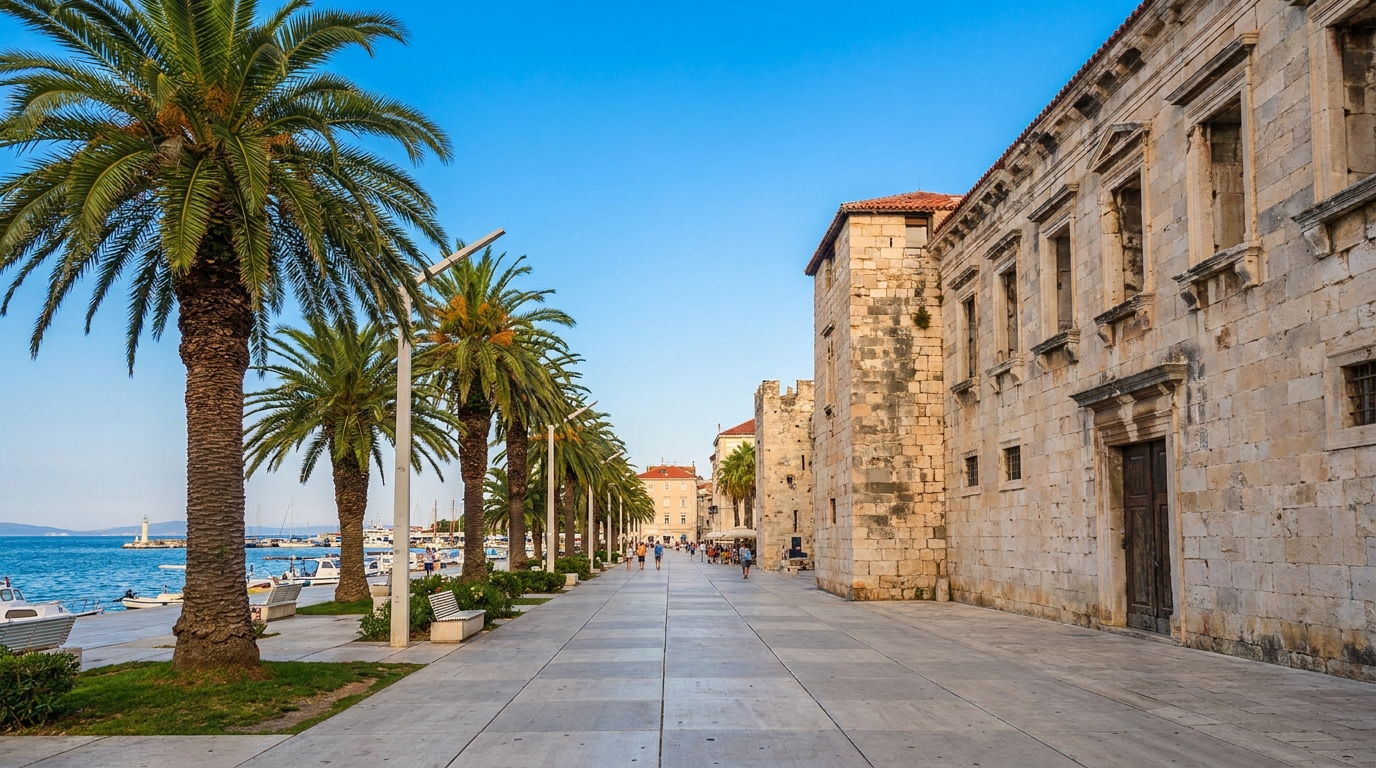
Split, Croatia: Roman Ruins, Beaches and Island Hops
Built inside a 1,700-year-old Roman palace, Split is a living city and the best base for exploring central Dalmatia.
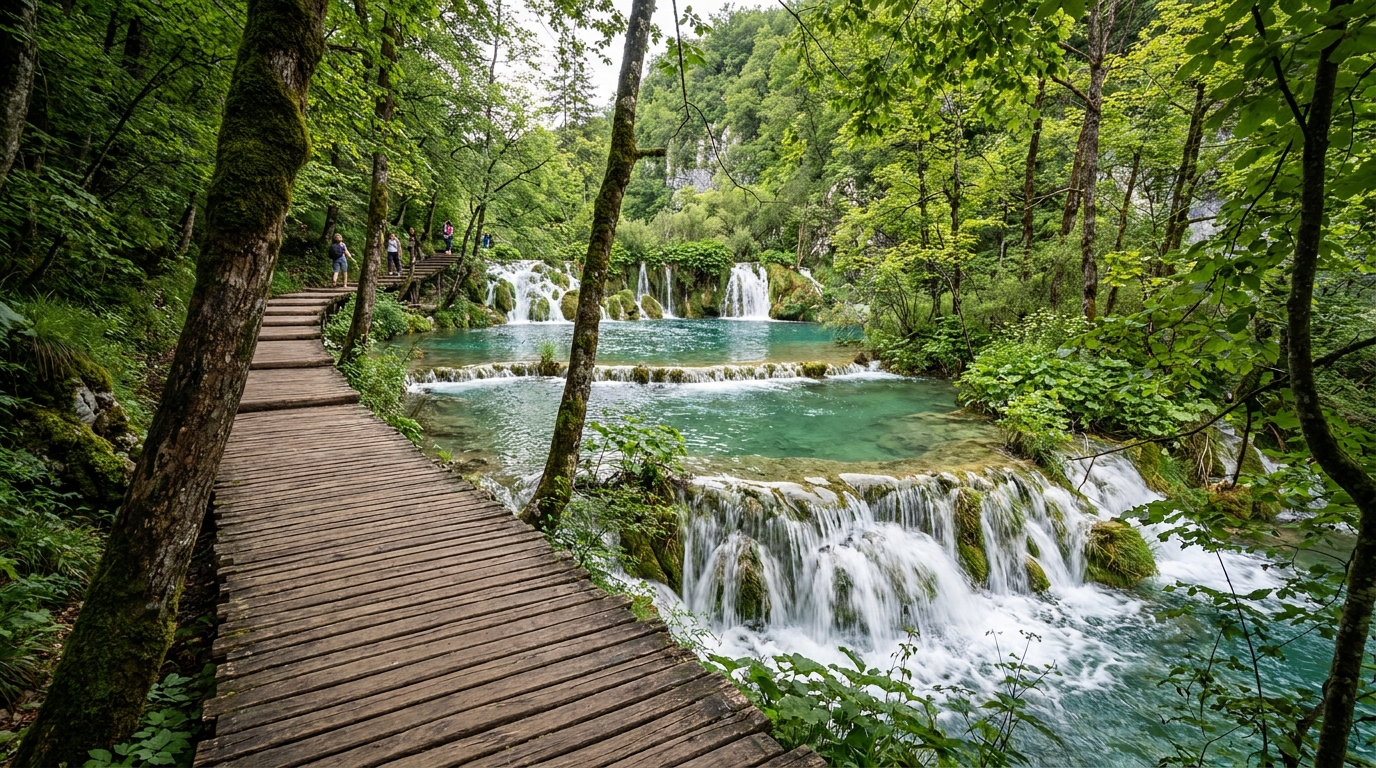
Plitvice Lakes: How to Visit Croatia's Waterfall Wonderland
Sixteen terraced lakes linked by waterfalls and wooden walkways make Plitvice unforgettable — if you arrive early and pick the right route.
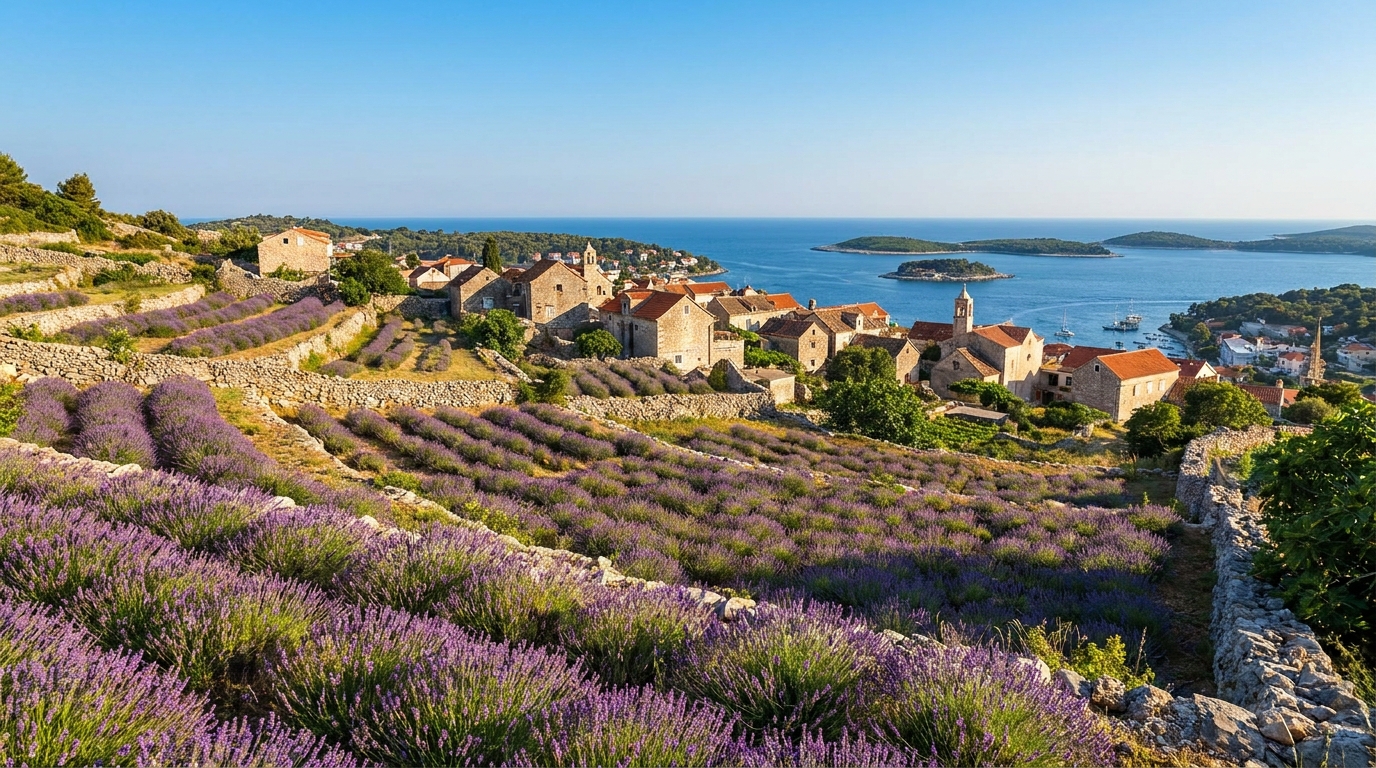
Hvar Island: Lavender Fields, Hidden Coves and Nightlife
Hvar has a reputation as a party island, but spend a few days and you'll find lavender hills, sleepy stone villages and some of the clearest water in Croatia.