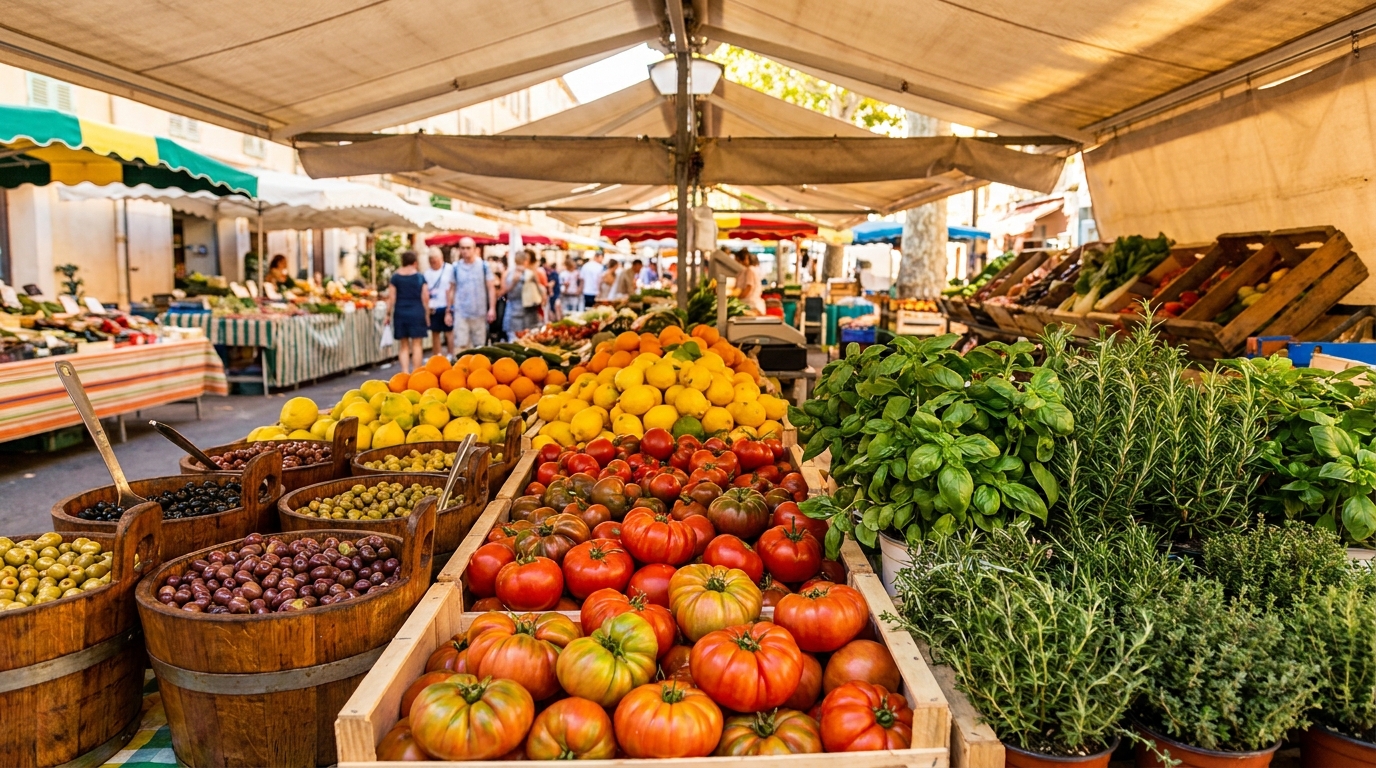
A Traveler's Guide to Mediterranean Markets
If you want to understand a Mediterranean town quickly, skip the museum for a morning and go to the market. It's where the local diet, the seasons, and the social life of a place are all on display at once — long before the restaurants open and long after the guidebooks lose interest. Spend an hour browsing, tasting, and watching, and you'll learn more about how people actually live here than a week of sightseeing.
Why the market first
A Mediterranean market is a daily census of a town's appetites. You can read the latitude in the citrus, the season in the stone fruit, the coastline in the fish stalls, and the local economy in what's piled high versus sold by the handful. Vendors are usually the producers or one step removed from them, so a few questions ("what's good today?") often turn into the best food advice you'll get on the whole trip.
Markets also come in a few flavors worth recognizing:
- Covered daily markets — permanent halls (the mercato, tržnica, or agora) open most mornings, strongest for fish, meat, cheese, and produce.
- Weekly street markets — pop-up rows of stalls on a set day, often bigger and cheaper, mixing food with clothes, plants, and household goods.
- Producers' / farmers' markets — smaller, with growers selling their own crop, eggs, honey, and oil.
Go early
The best produce and the liveliest atmosphere are both in the morning. Restaurant chefs and serious home cooks shop first, so the freshest fish and the choicest vegetables move fast. By early afternoon many stalls pack up — especially in summer, when the heat empties the squares and vendors would rather close than wilt.
Going early also means cooler temperatures, gentler light for photos, and first pick of everything. As a rough rule: arrive within the first couple of hours of opening for selection, or right at the end if you're hunting for end-of-day discounts on whatever's left.
Shop the seasons
Markets are a real-time guide to what's in season — and in the Mediterranean, what's in season is both cheapest and best. Let the stalls tell you what to eat rather than arriving with a fixed list. A loose calendar to orient by:
- Spring — artichokes, fava beans, peas, asparagus, the first strawberries, young greens.
- Early summer — cherries, apricots, courgettes and their flowers, the first tomatoes.
- High summer — tomatoes at their peak, peaches, figs, melons, peppers, aubergines.
- Autumn — grapes, the first olives and new olive oil, pomegranates, mushrooms, chestnuts, quince.
- Winter — citrus of every kind, fennel, bitter greens, cabbages, and hardy roots.
Eating with the seasons is tastier, lighter on the wallet, and the simplest way to eat like a local instead of like a tourist chasing out-of-season strawberries.
Assemble a picnic
You don't need a kitchen to eat brilliantly from a market. With no equipment beyond a knife (or not even that), you can build a lunch that beats most restaurants for a fraction of the price:
- Bread from the bakery stall — a round country loaf or a few rolls.
- Cheese — ask for a wedge of something local and let them cut it for you.
- Cured meat — sliced ham, salami, or the regional sausage.
- Olives and a little tub of something — marinated peppers, sun-dried tomatoes, a spread.
- Ripe fruit and a few tomatoes — the backbone of any Mediterranean picnic.
- A bottle of water and, if it's that kind of day, local wine.
Many stalls will let you taste before buying — a sliver of cheese, a single olive, a wedge of peach. Accept the offer; it's both a courtesy and the best way to choose.
Mind the etiquette
Markets have unwritten rules, and respecting them instantly changes how you're treated.
At the produce stall
In much of the Mediterranean, the vendor picks the fruit, not you. Don't dig through the display or squeeze everything unless you're invited to "serve yourself" (some stalls explicitly are self-serve — watch what locals do). Instead, tell the vendor what it's for: "to eat today" versus "for tomorrow" gets you riper or firmer fruit accordingly.
General courtesies
- Don't haggle at food stalls. Bargaining is fine for crafts and flea-market goods in some places, but produce and fish prices are generally fixed; quibbling reads as rude.
- Have small change ready. Vendors move fast and won't love breaking a large note for a euro of cherries.
- Bring a reusable bag (or two). Many markets charge for bags or don't offer them.
- Mind the queue — even an invisible one. People remember who arrived before them.
- A few words of the local language and a smile go a remarkably long way, and often get you the extra handful "for the kitchen."
Beyond food
Most markets sell far more than groceries: cut flowers, spices and dried herbs, kitchenware, baskets, ceramics, and local crafts. They're the best place to buy edible souvenirs that genuinely capture a region's flavour and survive the trip home:
- Dried herbs and herb blends (and saffron, where it's local).
- A small tin or bottle of local olive oil.
- Honey — often single-flower varieties from nearby hills.
- Sea salt, dried beans, preserved lemons, or a jar of something the vendor swears by.
Just check customs rules before buying meat, cheese, or unsealed liquids to carry across borders.
Common mistakes
- Arriving at lunchtime to find half the stalls already closing.
- Touching all the produce at a vendor-served stall.
- Trying to bargain over the price of tomatoes.
- Carrying only large bills and frustrating fast-moving vendors.
- Over-buying perishables you can't realistically eat before they spoil in the heat.
Practical tips
- Time it for the morning, ideally a market day if it's a weekly one — ask your host or hotel when it falls.
- Do a full lap first, then buy. Prices and quality vary stall to stall, and the best vendor isn't always the first.
- Buy fish and meat from busy stalls with high turnover — freshness follows the crowds.
- Keep a market kit handy: a tote bag, small change, a few napkins, and a pocket knife if you're picnicking.
- Eat as you go. A piece of fruit, a warm pastry, a paper cone of olives — grazing is half the point.
The bottom line
A Mediterranean market is the fastest, cheapest, most delicious way to feel like you belong somewhere new. Go early, shop the seasons, let the vendor pick the fruit, and turn your finds into a picnic in the nearest square. You'll eat better, spend less, and leave with a far truer sense of the place than any sightseeing checklist could give you.

Sofia is a Naples-based food writer who believes the fastest way to understand a place is through its market and its coffee bar. She covers food and culture across Italy and the Mediterranean for AdriaForum, from black risotto on the Croatian coast to the unwritten rules of ordering an espresso.
More about our writers →More in Food & Culture
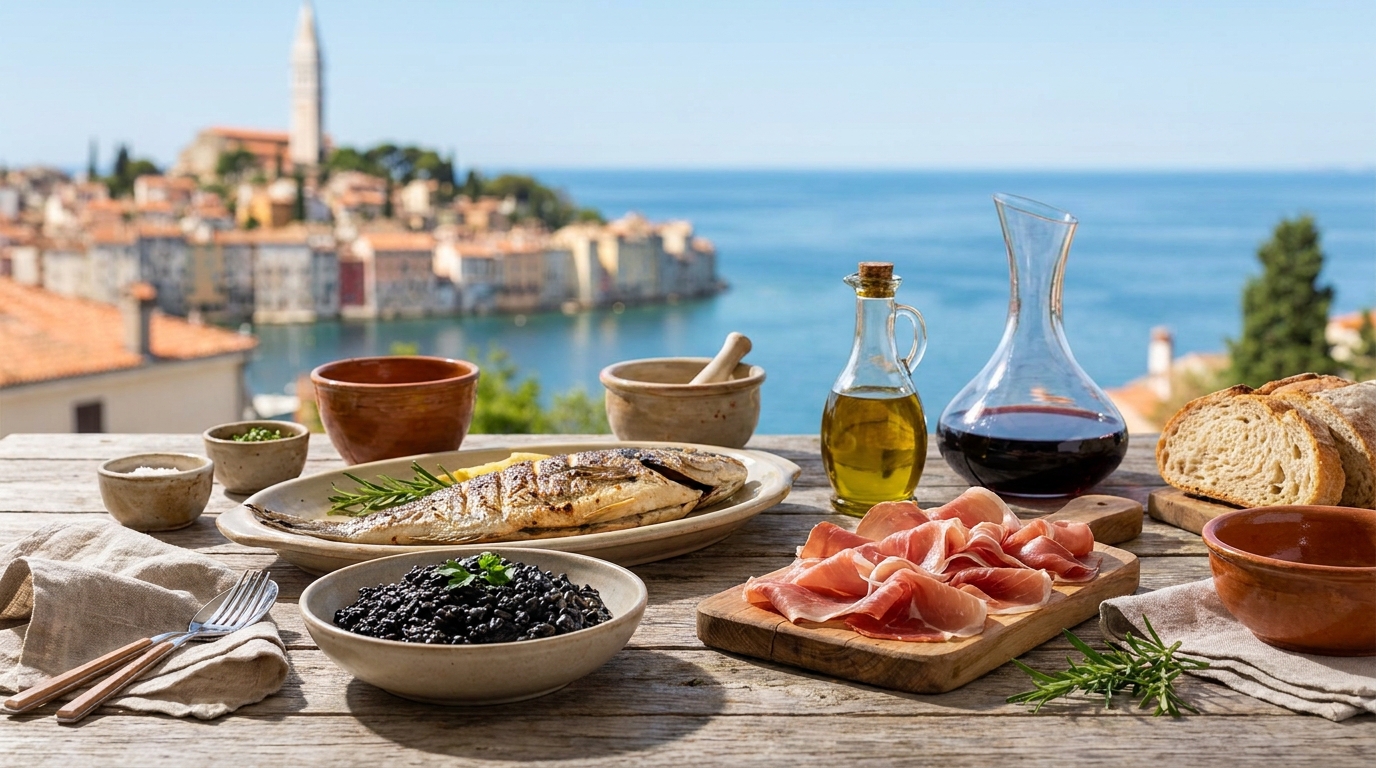
Croatian Food 101: 12 Dishes You Have to Try
Croatian cuisine shifts from seafood on the coast to hearty meat and stews inland. Here are the dishes worth seeking out.
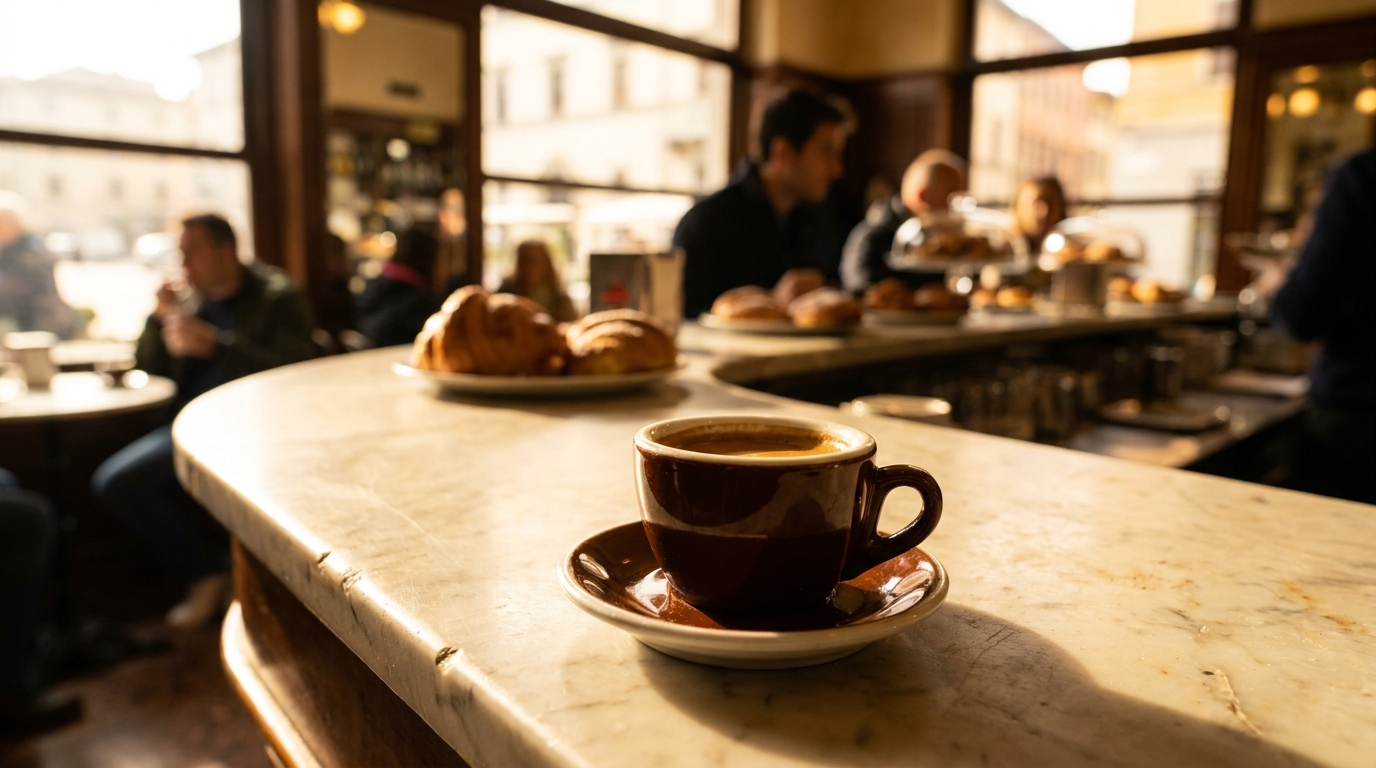
How to Order Coffee Like a Local in Italy
Italian coffee comes with unspoken rules. Learn a few and you'll order with confidence — and avoid a few quiet faux pas.
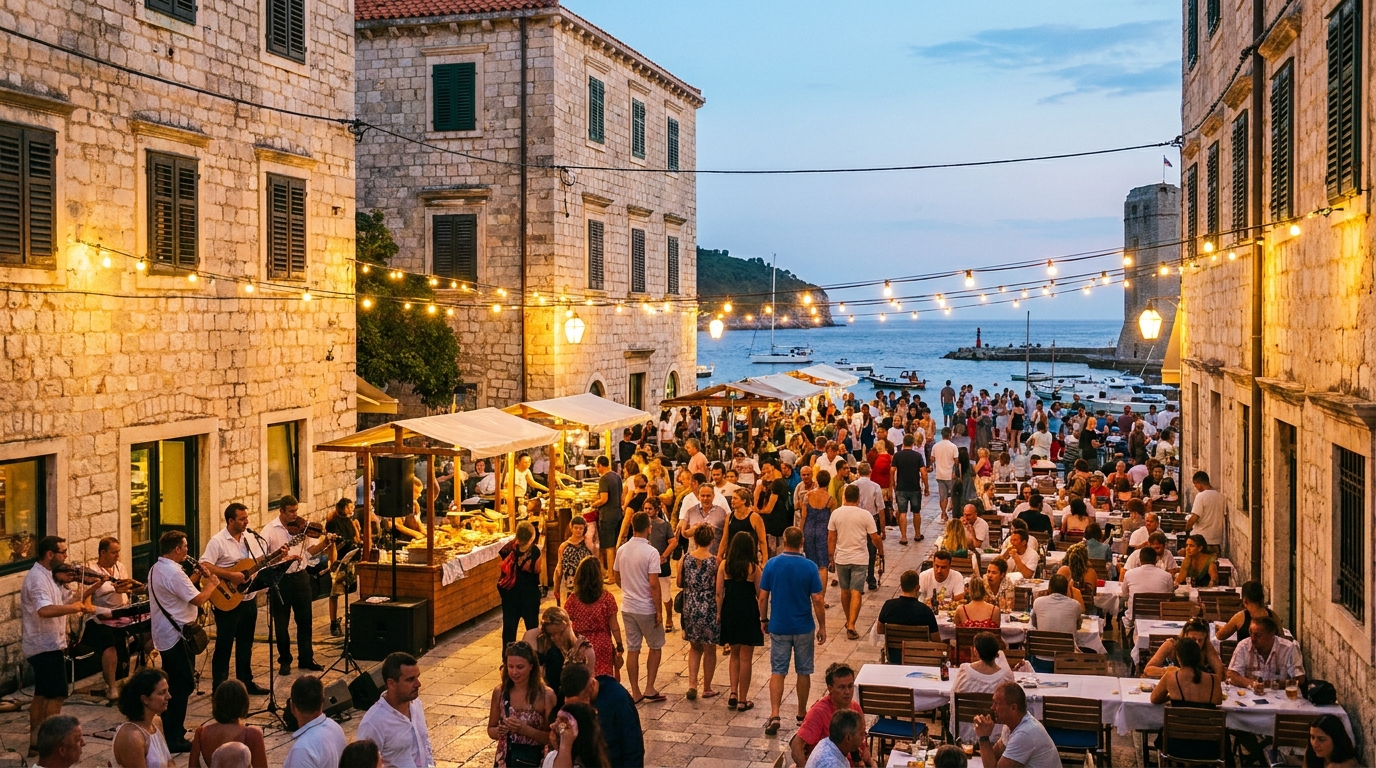
Summer Festivals Along the Adriatic Coast
From centuries-old theatre festivals to seaside music nights, the Adriatic summer is one long celebration. Here's what to look for.