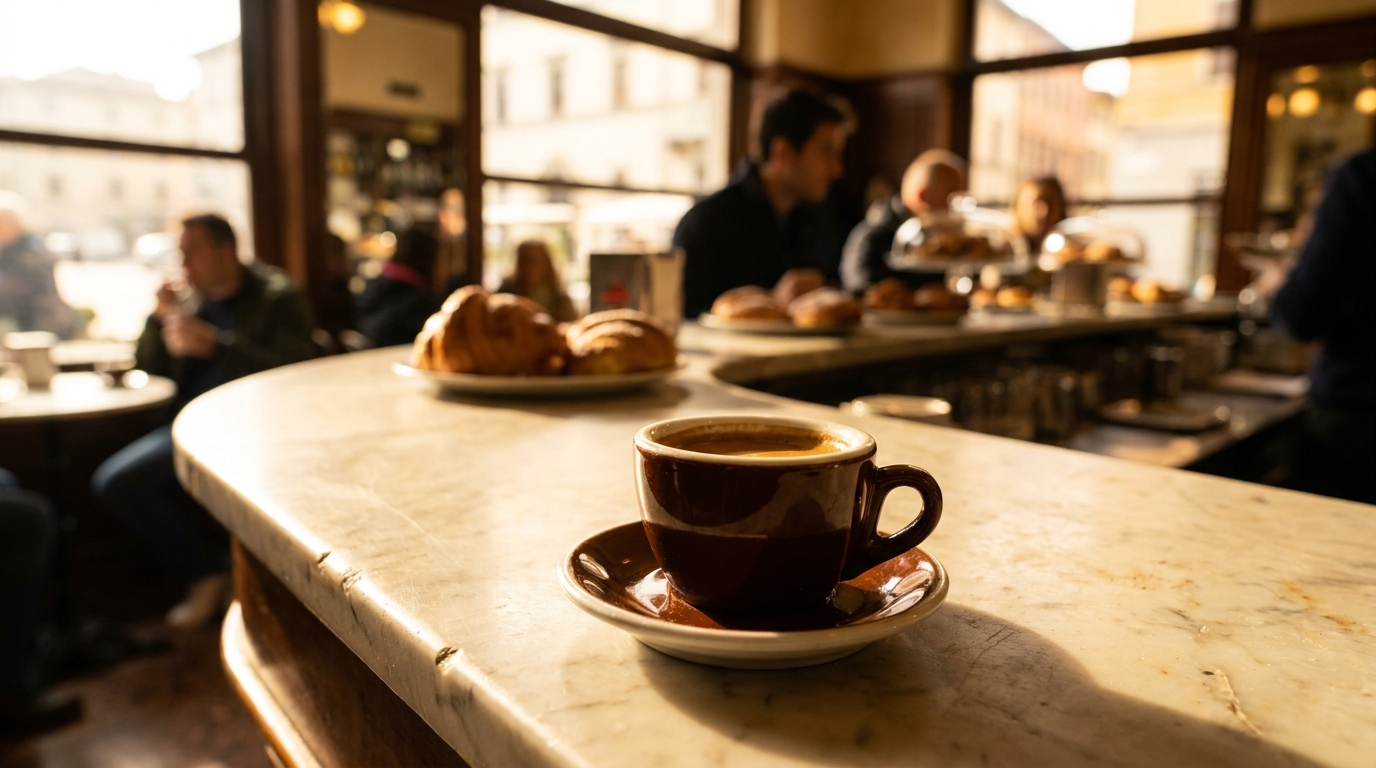
How to Order Coffee Like a Local in Italy
Coffee in Italy is less a product than a ritual, and the ritual has rules. None of them are strict enough to actually get you in trouble — Italians are far too gracious for that — but knowing a few makes ordering smoother, cheaper, and a lot more fun. Once you internalize them, the whole rhythm of the Italian day starts to make sense.
Un caffè means an espresso
This is the single most useful thing to know. Ask for "un caffè" and you'll get an espresso — a small, intense shot in a little cup. There's no need to say the word "espresso"; in Italy, coffee is espresso, and everything else is a variation on it. So if you walk up and ask for "a coffee" expecting a big American-style mug, brace yourself for something the size of a thimble and twice as strong.
A few immediate variations on the base shot:
- Caffè lungo — "long," pulled with a bit more water, so slightly larger and milder.
- Ristretto — "restricted," pulled short with less water, so smaller and more concentrated.
- Caffè doppio — a double shot, if one isn't enough.
- Caffè americano — espresso with added hot water, closer to filter coffee. It exists, but it's a concession to tourists more than a local habit.
Drink it standing at the bar
Italians typically take their coffee standing at the counter — al banco — often downing it in under a minute on the way to somewhere else. The bar is a social crossroads: a quick word with the barista, a glance at the paper, and out the door.
Sitting at a table (al tavolo) usually costs more, because you're paying for table service (servizio), and at a busy piazza café that premium can be substantial. Neither choice is wrong — sometimes you want to sit and watch the square — but know what you're choosing.
How payment works
In many traditional bars, the order of operations trips up visitors:
- You pay first at the till (la cassa), tell the cashier what you want, and get a receipt (scontrino).
- You then carry the receipt to the barista at the counter and repeat your order, sometimes placing a small coin on top as a tip.
- In smaller or quieter bars you may just order at the counter and pay after — when in doubt, watch what the person ahead of you does.
The cappuccino clock
Milky coffees — the cappuccino above all — are firmly a morning thing in Italy, paired with a pastry (a cornetto) for breakfast. The logic is partly cultural and partly digestive: Italians consider a big dose of hot milk too heavy to drink after a meal.
Ordering a cappuccino after lunch or dinner won't get you ejected, but it does quietly mark you as a visitor, the way ordering a milkshake with your steak might elsewhere. After meals, locals switch to a plain espresso — small, quick, and digestive. If you genuinely want milk later in the day, a macchiato is the locally accepted middle ground.
Useful variations
Beyond the basics, a handful of orders will cover almost any mood and time of day:
Macchiato
A caffè macchiato is an espresso "stained" (macchiato) with just a little milk or foam — far less than a cappuccino. It's the perfect compromise after the morning cutoff when a full cappuccino feels like too much. Note the reverse: a latte macchiato is mostly steamed milk "stained" with a little coffee, served in a tall glass and far milkier.
Caffè corretto
A caffè corretto is an espresso "corrected" with a splash of liquor — usually grappa, sometimes sambuca or brandy. It's a classic cold-morning or post-dinner move, especially in the north.
Other things to know by name
- Caffè freddo / cappuccino freddo — cold, sweetened versions for summer.
- Caffè shakerato — espresso shaken with ice (and sometimes sugar or liqueur) into a frothy iced coffee, a summer favourite.
- Marocchino — espresso with cocoa and a little milk foam, a small chocolatey treat.
- Caffè d'orzo — barley "coffee," caffeine-free, common for kids and the caffeine-sensitive.
- One word of warning: order a "latte" and you'll get a glass of plain milk. You want caffè latte for the coffee version.
A note on sugar and "decaf"
Italians often sugar their espresso freely — sugar usually sits right on the counter. Stir, sip, and some leave the sweet syrupy bit at the bottom. If you want decaffeinated, ask for "un caffè decaffeinato" or simply by the common brand name "un caffè Hag"; it's widely available and no one blinks.
Don't expect to linger over a giant cup
The bottomless mug of filter coffee and the two-hour laptop session simply aren't Italian customs. Coffee here is small, strong, quick, and frequent — a punctuation mark threaded through the day rather than a sitting unto itself. An espresso at breakfast, one mid-morning, one after lunch, maybe one in the late afternoon: that's the rhythm. Free refills aren't a thing, and to-go cups, while increasingly available, still feel slightly alien in a culture built around the thirty-second pause at the bar.
Common mistakes to avoid
- Saying "espresso" when "un caffè" does the job — harmless, but unnecessary.
- Ordering "a latte" and being surprised by a glass of milk.
- Sitting down without realizing the table surcharge, then feeling cheated by the bill.
- Asking for a cappuccino to-go after dinner — fine, but very tourist.
- Expecting a large cup or free refills — adjust your expectations to small and frequent.
- Tipping heavily — it's not expected; rounding up or leaving small change is plenty.
Practical tips
- Learn three orders and you're set for any time of day: un caffè (anytime), un cappuccino (mornings), un macchiato (the afternoon compromise).
- Stand at the bar for the cheapest, fastest, most local experience.
- Pay first in busy bars, then take your receipt to the counter.
- Try the neighbourhood bar, not just the famous piazza café — the quality is often identical and the price a fraction.
- Sip, don't nurse. The espresso is meant to be drunk while it's hot and fresh, in a few small sips.
The bottom line
Italian coffee culture isn't a test you can fail; it's a small, pleasurable code that, once you crack it, makes you feel like part of the daily life rather than a spectator. Order "un caffè," take it standing at the bar, save your cappuccino for the morning, and reach for a macchiato when the afternoon calls for something gentler. Do that and you'll order with confidence — and quietly enjoy the ritual the way it was meant to be enjoyed.

Sofia is a Naples-based food writer who believes the fastest way to understand a place is through its market and its coffee bar. She covers food and culture across Italy and the Mediterranean for AdriaForum, from black risotto on the Croatian coast to the unwritten rules of ordering an espresso.
More about our writers →More in Food & Culture
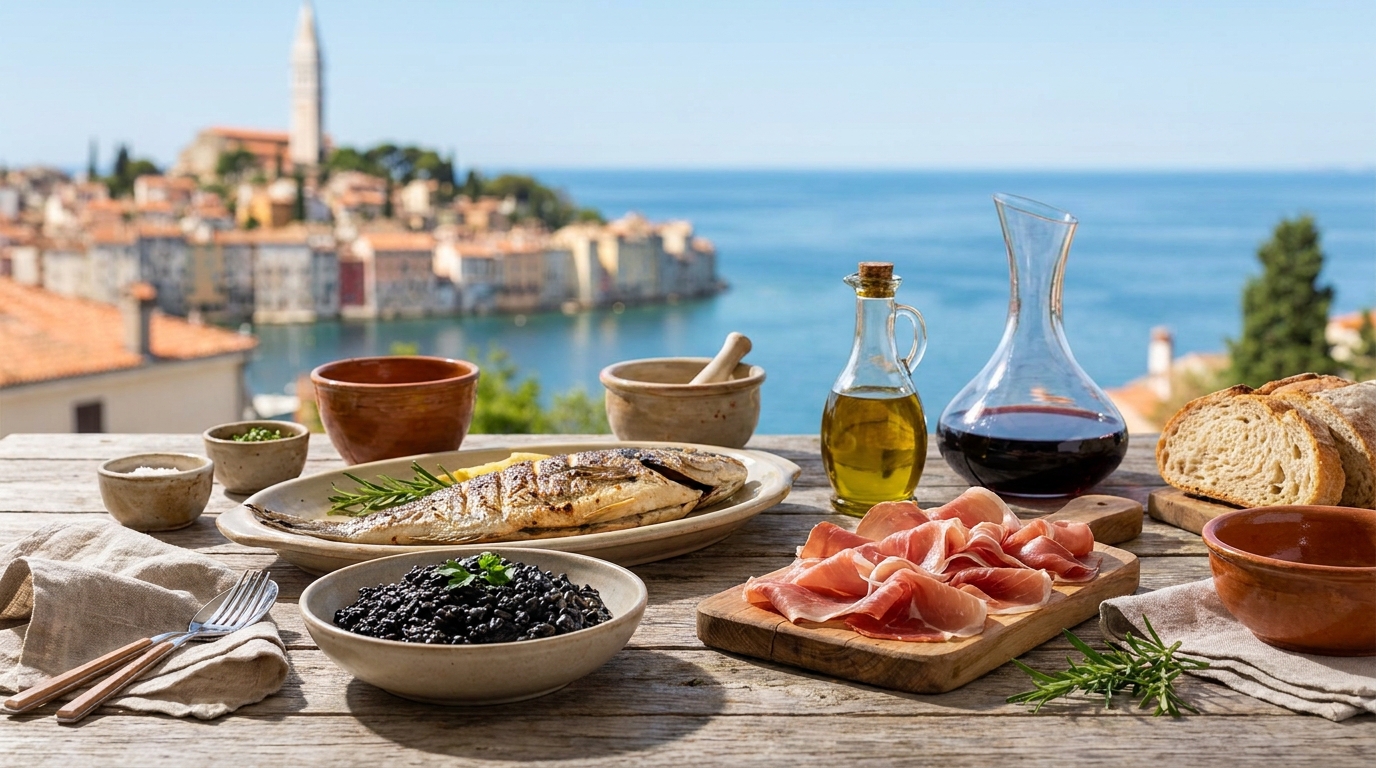
Croatian Food 101: 12 Dishes You Have to Try
Croatian cuisine shifts from seafood on the coast to hearty meat and stews inland. Here are the dishes worth seeking out.
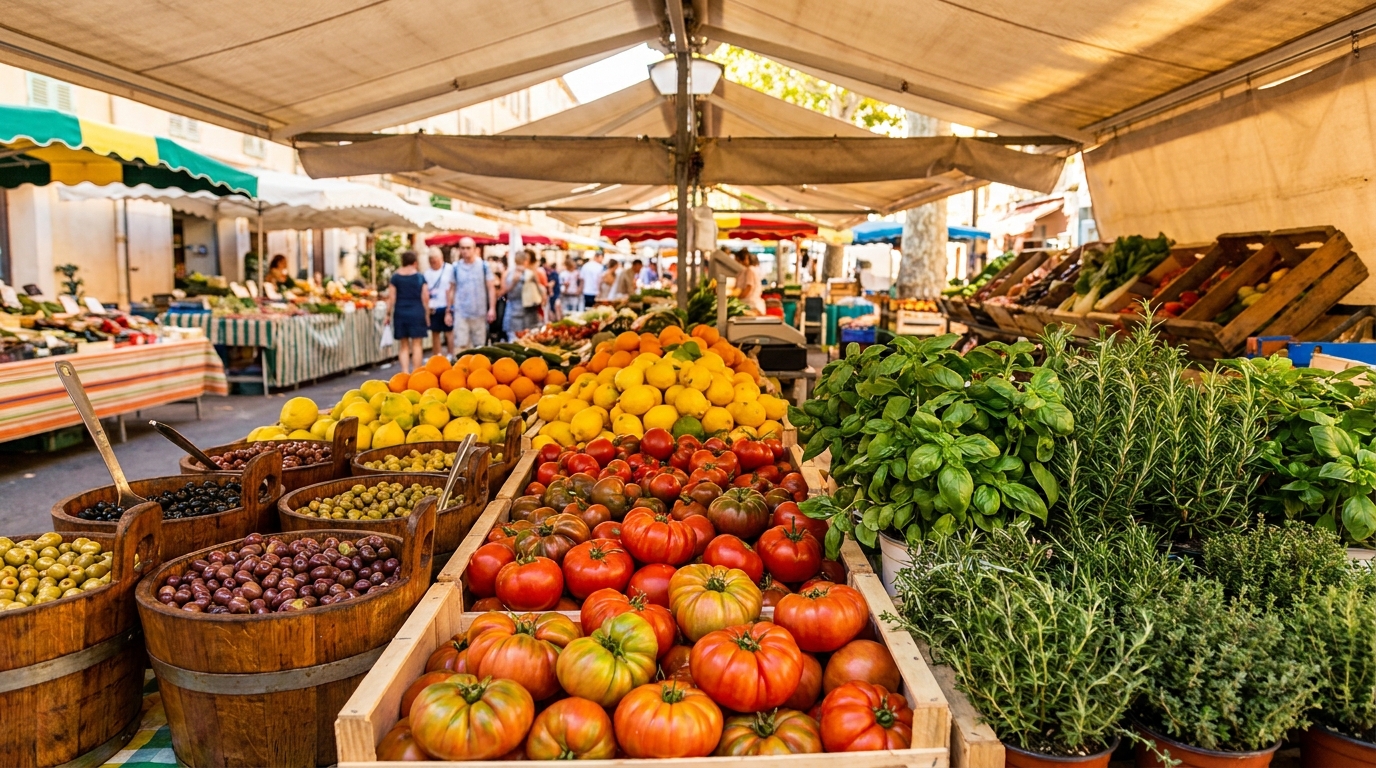
A Traveler's Guide to Mediterranean Markets
Markets are the fastest way to understand a place's food and rhythm. Here's how to shop them like you belong.
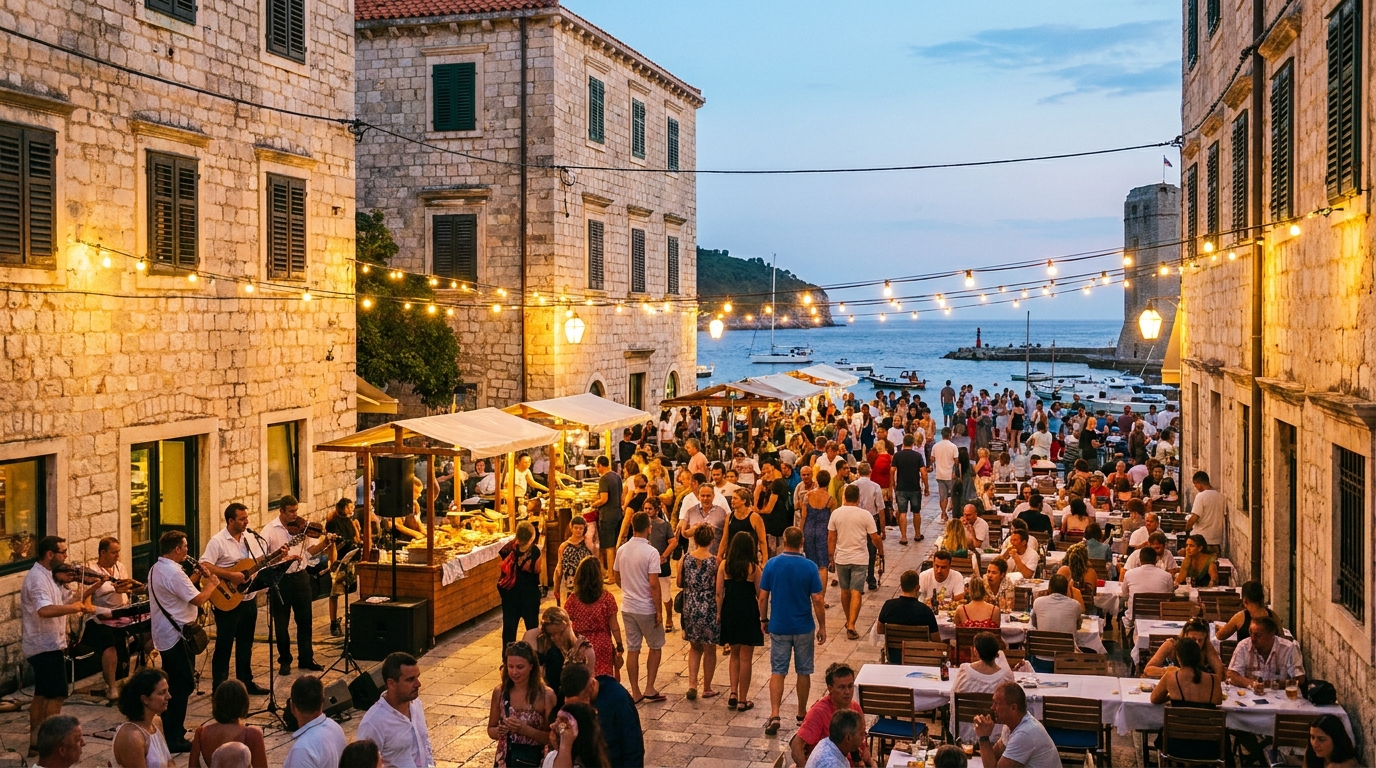
Summer Festivals Along the Adriatic Coast
From centuries-old theatre festivals to seaside music nights, the Adriatic summer is one long celebration. Here's what to look for.