Summer Festivals Along the Adriatic Coast
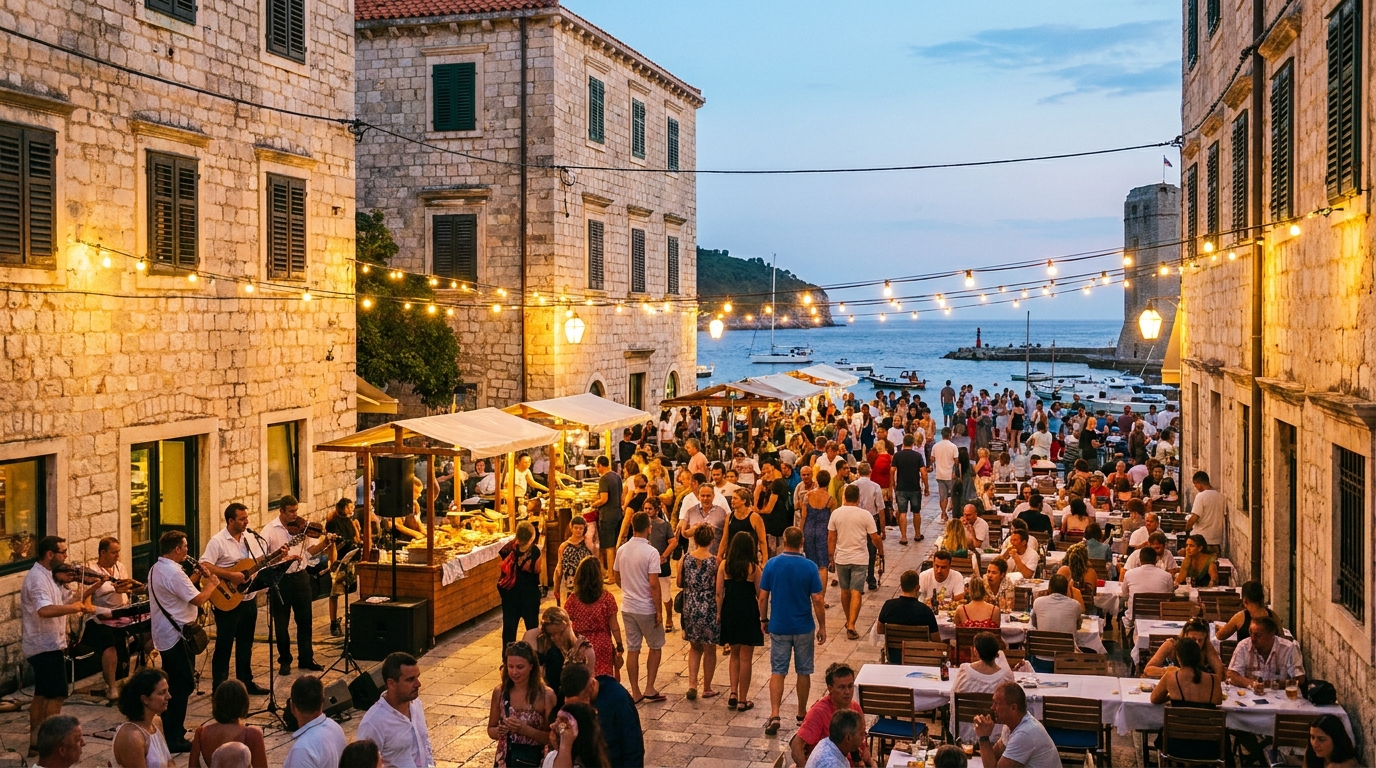
Summer on the Adriatic isn't just beaches and boat trips. The warm months bring a packed calendar of festivals — cultural, musical, religious, and culinary — that can shape an entire trip if you plan around them. Time your visit well and you might catch Shakespeare performed in a 16th-century fortress, a saint's-day procession winding through narrow stone streets, or a whole village square turned over to grilled fish and local wine.
Classic culture
The Adriatic's grand old festivals lean on something the region has in abundance: spectacular historic settings used as stages.
Dubrovnik Summer Festival
The Dubrovnik Summer Festival is the heavyweight. Running across July and August, it turns the Old Town's squares, ramparts, forts, and palace courtyards into open-air venues for theatre, classical music, opera, and dance. Performances inside the city walls or out at Fort Lovrijenac — the cliff-top fortress that doubles as a natural amphitheatre — are the kind of thing you remember for years. It's one of Europe's oldest continuous cultural festivals, so the production values match the setting.
Split Summer Festival
Split does something similar inside Diocletian's Palace, the living Roman complex at the heart of the city. The Split Summer Festival (Splitsko ljeto) stages opera, drama, and concerts under the stars, with the palace's ancient peristyle and cellars as backdrops. Seeing a performance among Roman stones, with swifts wheeling overhead at dusk, is the whole point.
Beyond the big two
Smaller historic towns run their own well-curated summers worth checking:
- Pula uses its remarkably intact Roman amphitheatre (the Arena) for concerts and its long-running film festival.
- Zadar and Šibenik both program music and theatre across the season, often in churches, cloisters, and forts.
- Across the water, Italian Adriatic towns like Ravenna and Rimini run their own summer arts seasons.
Music by the sea
Over the past couple of decades the Croatian coast has become a major summer destination for music lovers. Multi-day events set on beaches, in coves, and inside historic forts draw a young, international crowd — electronic, indie, and dance-leaning line-ups that turn a stretch of coast into a festival town for a week.
A few things to know before you build a trip around one:
- They sell out, and so does everything near them. Book accommodation and any boat-party or shuttle add-ons early — months ahead for the popular ones.
- Sites are often outside town centers, around the Zrće beach area near Novalja (Pag) and various coastal forts and resorts. Check how you'll get to and from the venue late at night.
- Pace yourself in the heat. These are endurance events; sun, sea, and several days of late nights add up fast.
Local saints and traditions
For many travelers, the most memorable celebrations aren't the ticketed ones at all. Nearly every Adriatic town and island honours its patron saint with a feast day (often a fešta) that blends a church procession with food stalls, live music, dancing, and fireworks over the harbour.
- Dubrovnik's Feast of St Blaise (Sveti Vlaho) in February is the most famous, but summer brings dozens of smaller saints' days up and down the coast.
- These local feasts are frequently the most authentic celebrations you can stumble into, rooted in centuries of tradition, and visitors are genuinely welcome to join.
- Look out, too, for klapa singing — Dalmatia's distinctive a cappella harmony tradition (recognized by UNESCO), often performed at summer events and informally in town squares.
To find them, simply ask locally or scan the posters taped up around any town — feast days are advertised the old-fashioned way, on lampposts and café windows.
Food and wine festivals
As high summer eases into late summer and autumn, coastal and island towns shift to harvest and seafood festivals: evenings of grilled fish, peka, fresh oysters, olive oil, and local wine in the main square, usually with music and very fair prices.
- Fishermen's nights (often called a ribarska noć or ribarska fešta) serve the day's catch straight off the grill.
- Oyster and shellfish festivities cluster around growing areas like Ston on the Pelješac peninsula.
- Wine and olive-oil harvests (roughly September into autumn) bring tastings and village feasts inland from the coast and across Istria.
Dates move year to year and many are organized locally, so watch tourist-board listings and town websites rather than expecting fixed calendar slots.
How to plan around festivals
A festival can be the highlight of a trip or the reason you couldn't find a bed — the difference is planning.
- Decide your relationship to the crowd. Do you want to be in the thick of it, or use a festival as a day trip from a quieter base nearby? Staying one town over and traveling in is often the smart compromise.
- Book early and expect a premium. Festival weeks mean higher prices, fuller restaurants, and busier ferries. Lock in accommodation and any inter-island ferries well ahead.
- Build in recovery and flexibility. Don't schedule a 6 a.m. ferry the morning after a late festival night, and keep plans loose in case of weather or sell-outs.
Common mistakes
- Showing up without tickets to the big ticketed festivals, assuming you'll buy at the door.
- Underestimating accommodation pressure — the whole region books up around marquee events.
- Missing the free local feasts because you only looked at the international line-ups.
- Ignoring ferry capacity, which tightens sharply during festival weeks in July and August.
Frequently asked questions
When is festival season? The cultural heavyweights peak in July and August; food, wine, and harvest events run later, into September and autumn.
Do I need tickets? For the marquee music and arts festivals, yes — book ahead. Saints' days, processions, and most food festivals are free to wander into.
How do I find out what's on? Local and national tourist-board listings, town websites, and the posters plastered around any town. Your accommodation host is often the best single source.
Are festivals family-friendly? The cultural festivals and town feasts very much so; the multi-day beach music events skew toward a young, party-minded crowd.
The bottom line
The Adriatic summer is essentially one long, overlapping celebration, from open-air Shakespeare inside Roman walls to a fishing village grilling its catch in the square. Pick one or two events to anchor your trip, book ahead for anything ticketed, and leave room to stumble into the small, free, local feasts — because those, as often as not, are the ones you'll be talking about long after the tan has faded.

Ivan plans the routes. A lifelong hiker based in Zagreb, he has walked the boardwalks of Plitvice and Krka in every season and mapped out countless Croatia and Balkans road trips for friends before turning it into a job. He writes our itineraries and national-park guides.
More about our writers →More in Food & Culture
Croatian Food 101: 12 Dishes You Have to Try
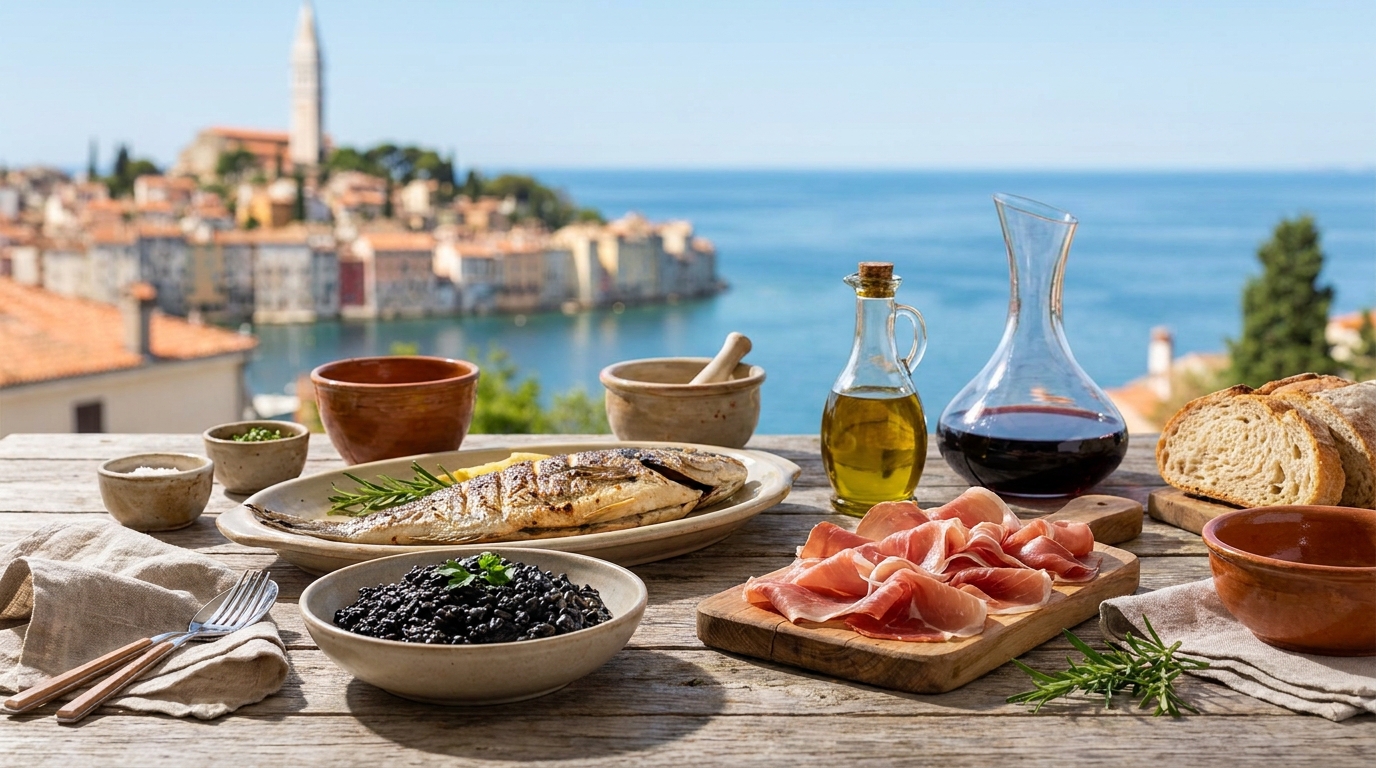
Croatian cuisine shifts from seafood on the coast to hearty meat and stews inland. Here are the dishes worth seeking out.
How to Order Coffee Like a Local in Italy
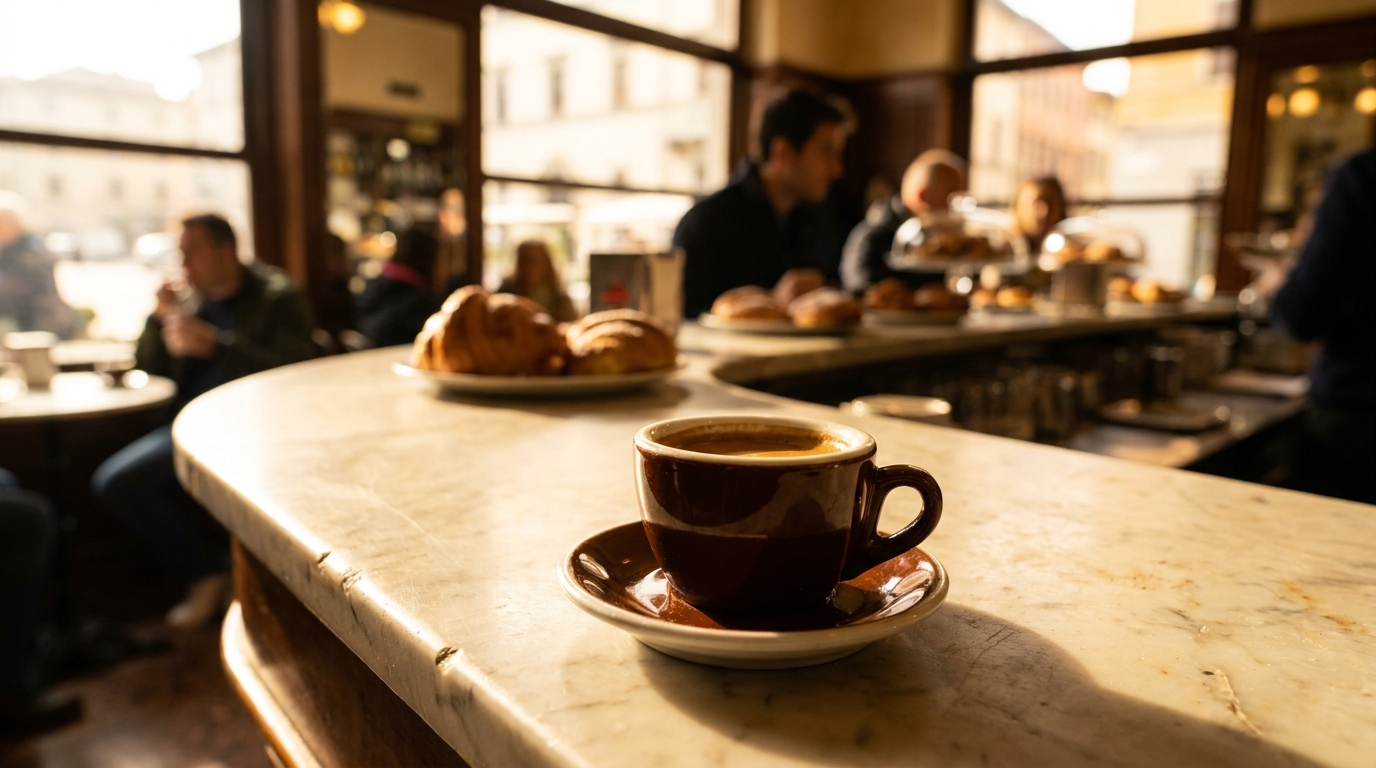
Italian coffee comes with unspoken rules. Learn a few and you'll order with confidence — and avoid a few quiet faux pas.
A Traveler's Guide to Mediterranean Markets
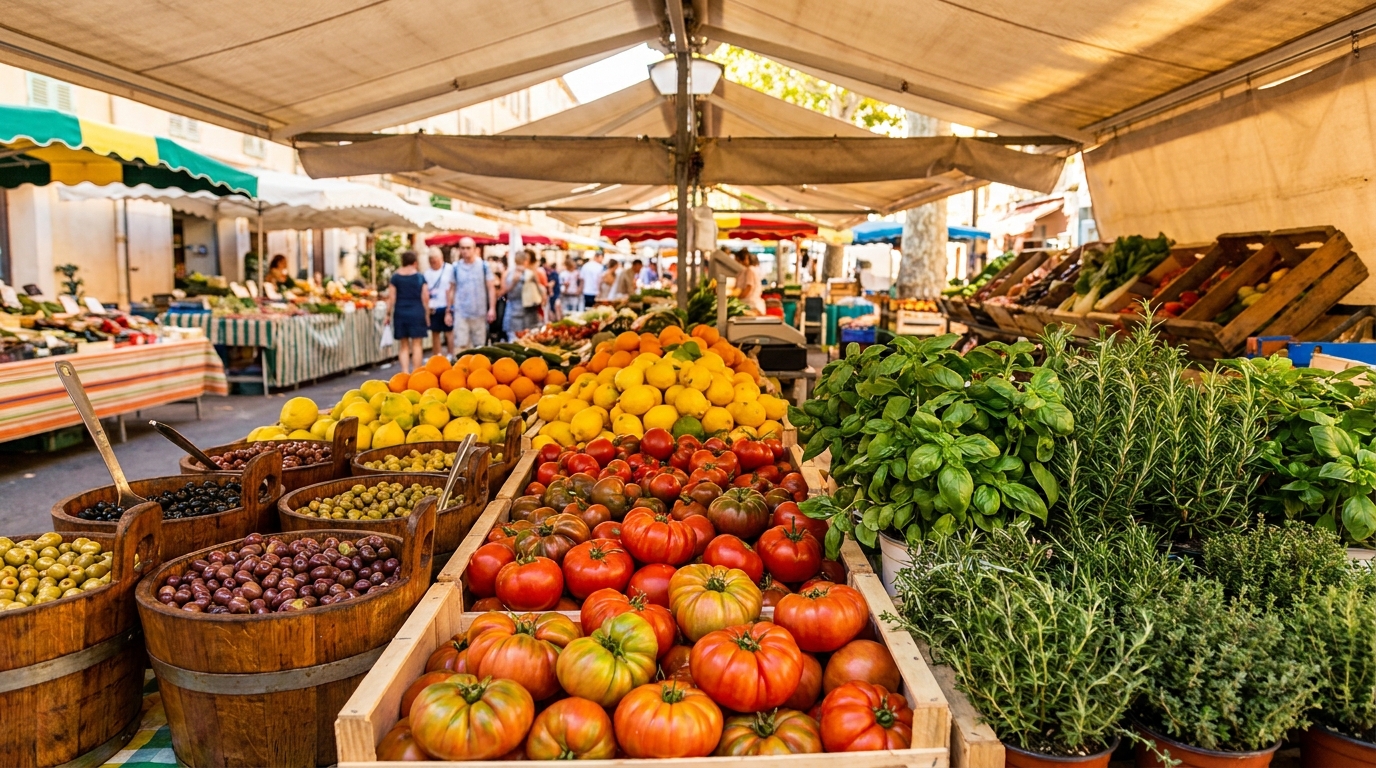
Markets are the fastest way to understand a place's food and rhythm. Here's how to shop them like you belong.