Free Things to Do in Europe's Coastal Cities
Coastal cities are made for budget travel, because so much of what makes them special is open-air and free. The sea, the old streets, the evening light — none of it has an admission fee. String these together and you can fill entire days without spending much beyond food, and they'll be the days you remember most.
Swim and sunbathe
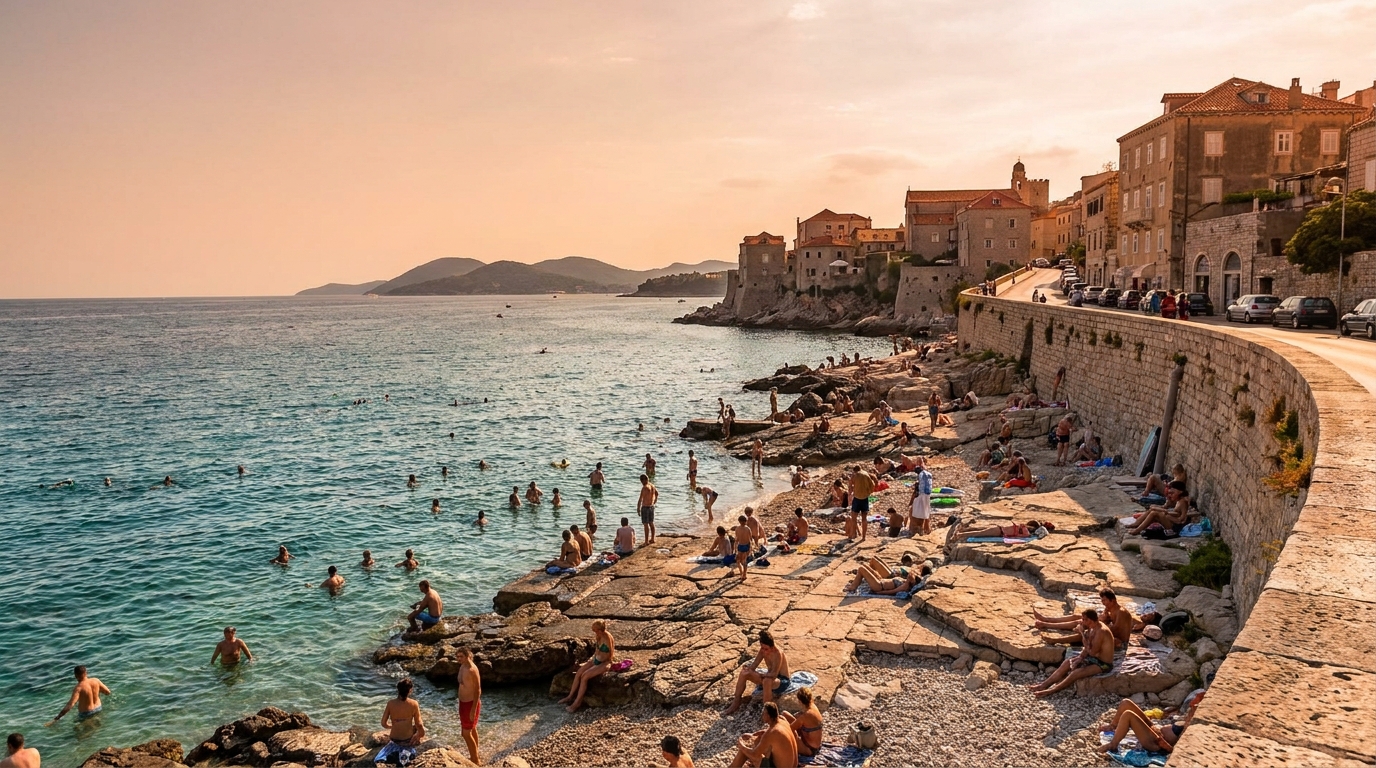
The obvious one, and the best. Public beaches and rocky swimming spots are free; you only pay if you want a sunbed or a parasol from a concession. Pack a towel and you have an afternoon's entertainment sorted. On the Adriatic in particular, the clearest, quietest water is often at the rocky coves and plaže a short walk from the busy central beach — locals know where, so follow them away from the crowds.
A few things make a free beach day better:
- Bring water shoes for rocky and pebble beaches, which are the norm on much of the coast and rough on bare feet.
- Arrive early or come late. Mornings and the hour before sunset are cooler, quieter and better for photos.
- Carry your own water, fruit and snacks so you're not captive to beachside prices.
- Find the free entry points. Even where a stretch is dotted with paid loungers, there's almost always public access nearby.
Walk the old town and waterfront
Historic centres reward aimless wandering — squares, churches, viewpoints and harbours that cost nothing to enjoy. Skip the main drag and turn into the side lanes, where laundry strings between shutters, cats doze on warm stone, and you find the city locals actually live in. The evening passeggiata, when residents stroll the waterfront before dinner, is a free show in itself and the best time to feel a town's rhythm.
Wandering is more rewarding with a little intention: look for the highest point in the old town for a free view, follow the harbour to watch the fishing boats come in, and time a loop of the centre for the golden hour when the stone glows. Many walled coastal towns let you trace the ramparts or harbour edge for nothing, even where the formal wall walk charges.
Hike a headland or hill
Many coastal cities have a hill or cape with a trail to a viewpoint. The climb is free and the panorama over the sea and rooftops is usually the best view in town — better than anything you'd pay for. A fortress or chapel often crowns these hills, and even when entering costs money, the view from the approach is free.
Go prepared: wear proper shoes, carry water, and start early to beat the midday heat, which is fierce on exposed coastal trails in summer. A pine-shaded path down to a hidden cove is a common reward, turning one free activity neatly into another.
Visit churches and free museum hours
Major churches and cathedrals are often free to enter and architecturally stunning — cool, quiet refuges from the heat with centuries of art inside. Dress respectfully (covered shoulders and knees) and you can step into some of the finest interiors a city has for nothing.
Museums take a little planning:
- Look for free days and evenings. Many museums offer a free first Sunday, a free weekly evening, or reduced late-afternoon hours.
- Check age and student discounts, which can bring even paid sites close to free.
- Time it deliberately. Free hours are popular, so arrive at opening to skip the queue.
Catch the sunset
Find a west-facing spot — a sea wall, a beach bar you don't have to buy from, a fortress, a quiet jetty — and watch the sun go down. It's the cheapest and most reliable highlight of any coastal day, and on the Adriatic the light over the water is genuinely worth planning your evening around. Arrive twenty minutes early to claim a good rock or bench, and stay for the afterglow, which is often better than the sunset itself.
Take a free walking tour
Tip-based walking tours give you history and orientation for whatever you choose to give. They're a great first-day activity to get your bearings before exploring on your own, and a good guide points you toward the free viewpoints, swimming spots and local eateries you'd otherwise miss. Bring some cash to tip fairly if you enjoy it — that's how the guides make their living, and a good tour is worth it.
Beyond the classic city tour, look for free or near-free local life that's open to anyone:
- Markets — the morning produce and fish markets are free to wander and a feast for the senses, even if you only buy a single peach for the walk.
- Working harbours — watching fishing boats unload or sailors mend nets is a quiet, free pleasure that hasn't changed in centuries.
- Public gardens and parks — many coastal cities have shaded botanical gardens or seafront promenades that cost nothing.
- Religious and civic processions — especially around saints' days and summer holidays, these spill into the streets for free.
A free coastal day, start to finish
To see how it adds up, here's a full day that costs nothing but food:
- Morning: a free walking tour, then a wander through the old town's back lanes.
- Midday: a market picnic eaten in the shade of a square or on the sea wall.
- Afternoon: a swim at a rocky cove away from the crowds.
- Late afternoon: a hike up the headland for the big view.
- Evening: the passeggiata along the waterfront, then sunset from a west-facing rock.
Practical tips
- Carry a refillable bottle; many coastal towns have public fountains with safe drinking water.
- Pack a small daypack with a towel, water shoes, sunscreen and a snack so any free activity is always an option.
- Respect the quiet hours in residential lanes, especially in the afternoon.
- Check local festival calendars. Coastal towns hold free open-air concerts, processions and markets, especially in summer.
- Ask your host for the local secrets. Guesthouse owners and hostel staff know the free cove, the best sunset rock and the church that opens for nothing — and they're usually happy to share.
- Visit out of peak hours. The same free old town is a different, calmer place at dawn or after the day-trippers leave.
The bottom line
In a coastal city, the best of the day is usually free: the swim, the walk, the climb, the sunset, the slow evening stroll. Pack a towel, water shoes and a refillable bottle, follow the locals away from the crowds, and let the sea and the old streets fill your hours. Spend your money on a good meal and a fair tip for a walking tour, and let everything else cost nothing at all.

Tom is obsessed with making travel cheaper. He's spent years testing fare-alert tools, overnight trains and $50-a-day budgets across Europe, and writes our budget-travel and flights coverage. If there's a way to do a trip for less, he's probably tried it.
More about our writers →More in Budget Travel
How to Travel Europe on $50 a Day
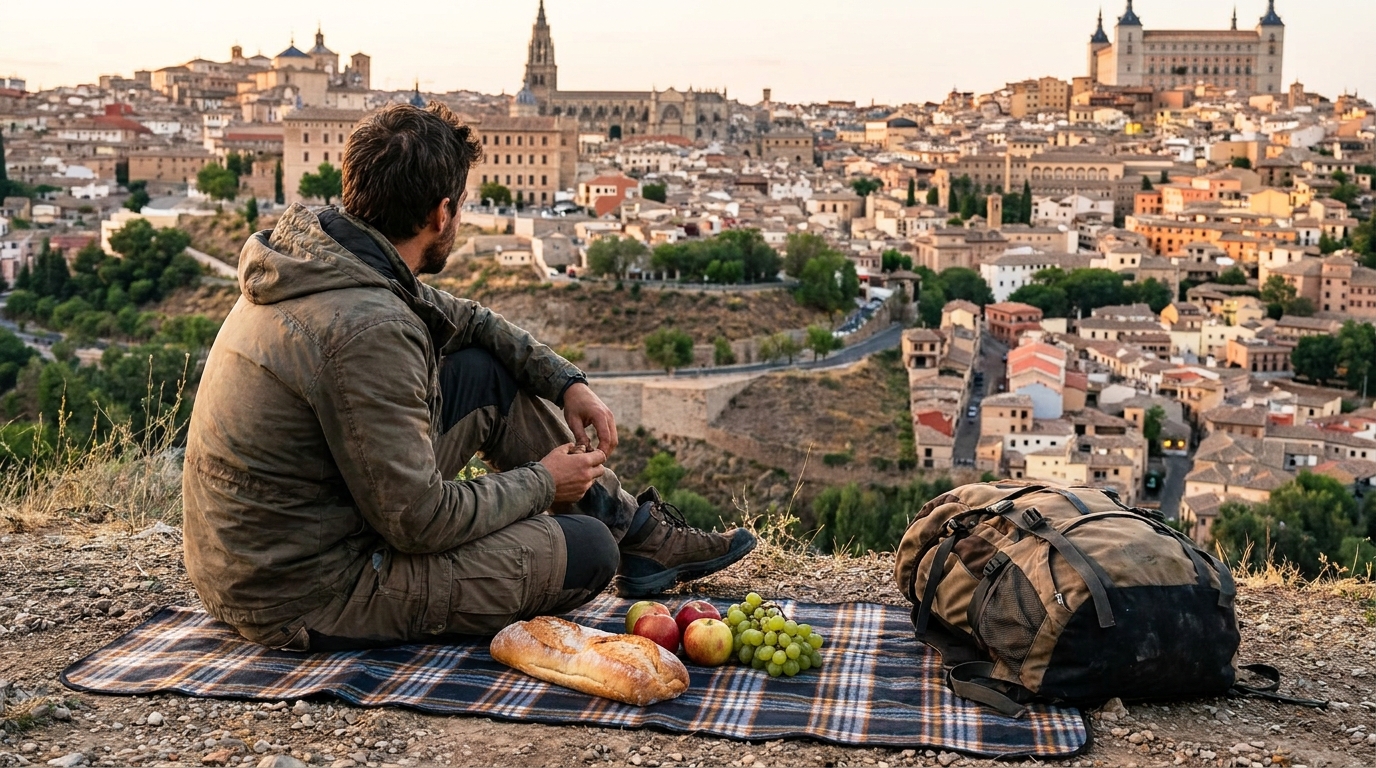
Europe has a reputation for being expensive, but with the right choices $50 a day is genuinely doable. Here's the breakdown.

How to Find Genuinely Cheap Flights
Forget myths about clearing your cookies. These are the strategies that actually move the needle on airfare.
Overnight Trains in Europe: Save Money and Time
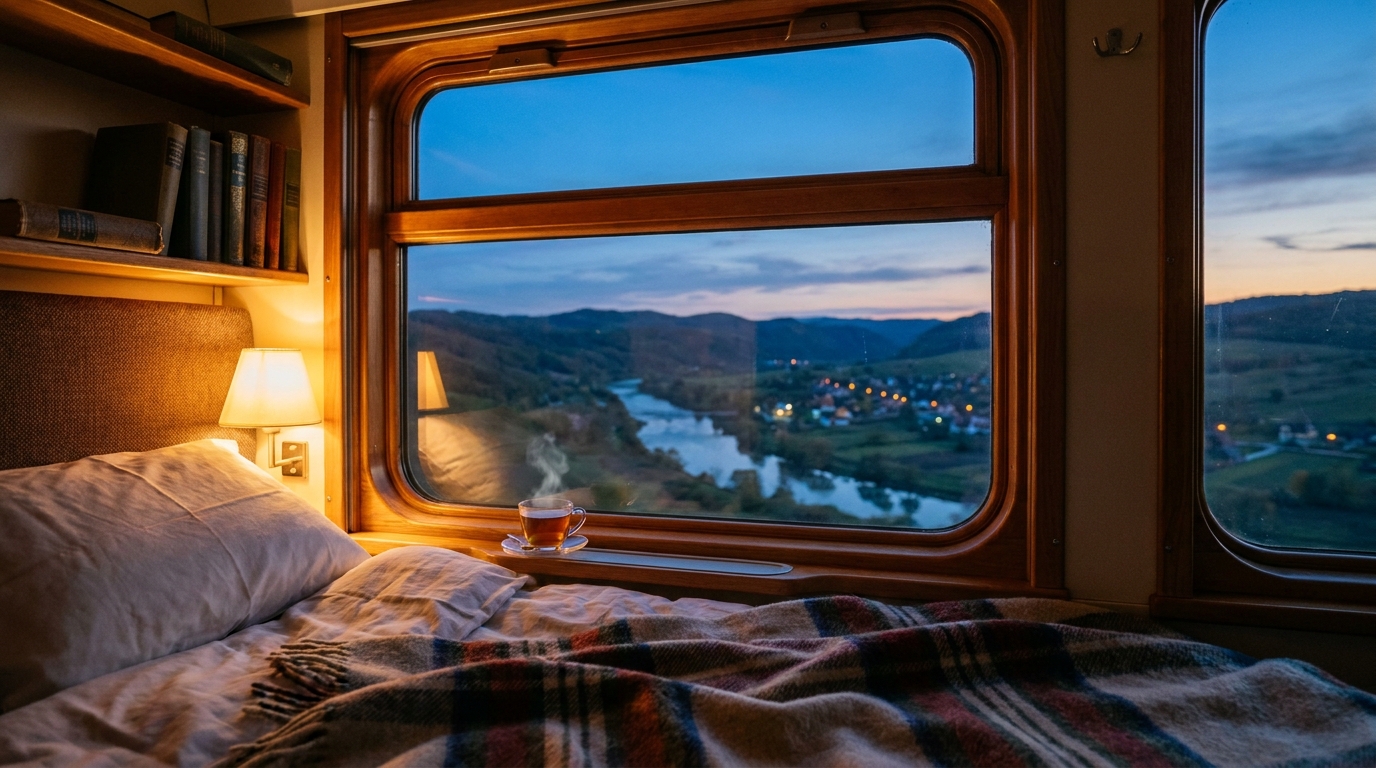
Night trains are quietly making a comeback. Done right, they save a night's accommodation and wake you up in a new city.