How to Travel Europe on $50 a Day
Europe can be as expensive or as affordable as you make it. Travelers regularly get by on around $50 a day — even less in the east and south — by being deliberate about the big three costs: beds, transport and food. The trick isn't deprivation; it's spending your money where it actually buys you a better experience and trimming everything else to the bone.
Sleep smart
Accommodation is usually the biggest line item, which makes it the place where good decisions pay off most. Hostel dorms, guesthouses and budget rooms in smaller towns keep costs down, and booking a few days ahead beats walk-up prices in popular spots. In cities, staying a little outside the centre and using public transport saves a lot — a tram ride is far cheaper than the premium you pay for an address on the main square.
A few approaches that consistently lower the nightly cost:
- Mix room types. Use a private room when you need rest and a dorm bed when you just need somewhere to sleep. Many travelers alternate to balance comfort and cost.
- Look beyond hostels. Guesthouses, pensions, monastery rooms, university dorms in summer, and family-run rooms (look for sobe or zimmer signs on the Adriatic coast) are often cheaper and friendlier than chain options.
- Stay longer in fewer places. Weekly rates are usually discounted, and you cut the hidden cost of constant transit days.
- Use kitchens and laundry. A property with a shared kitchen and a washing machine quietly saves you on every meal and every load.
Regional differences
Your budget stretches very differently across the continent. In the Balkans, Central Europe and parts of the south — think Albania, North Macedonia, Bulgaria, much of Croatia outside peak coastal season — a clean private room can cost what a single dorm bed runs in Western capitals. In Scandinavia, Switzerland and the big Western cities, you'll lean harder on dorms, self-catering and shoulder-season timing to hold the line. Plan your route so the expensive regions are short and the affordable ones are where you linger.
Eat like a local, not a tourist
Cook some meals if your accommodation has a kitchen, shop at markets and supermarkets, and treat restaurant meals as occasional highlights. A bakery breakfast, a market-picnic lunch and one cooked dinner is both cheap and satisfying. Tap water is safe across most of Europe — carry a bottle and refill it rather than buying bottled.
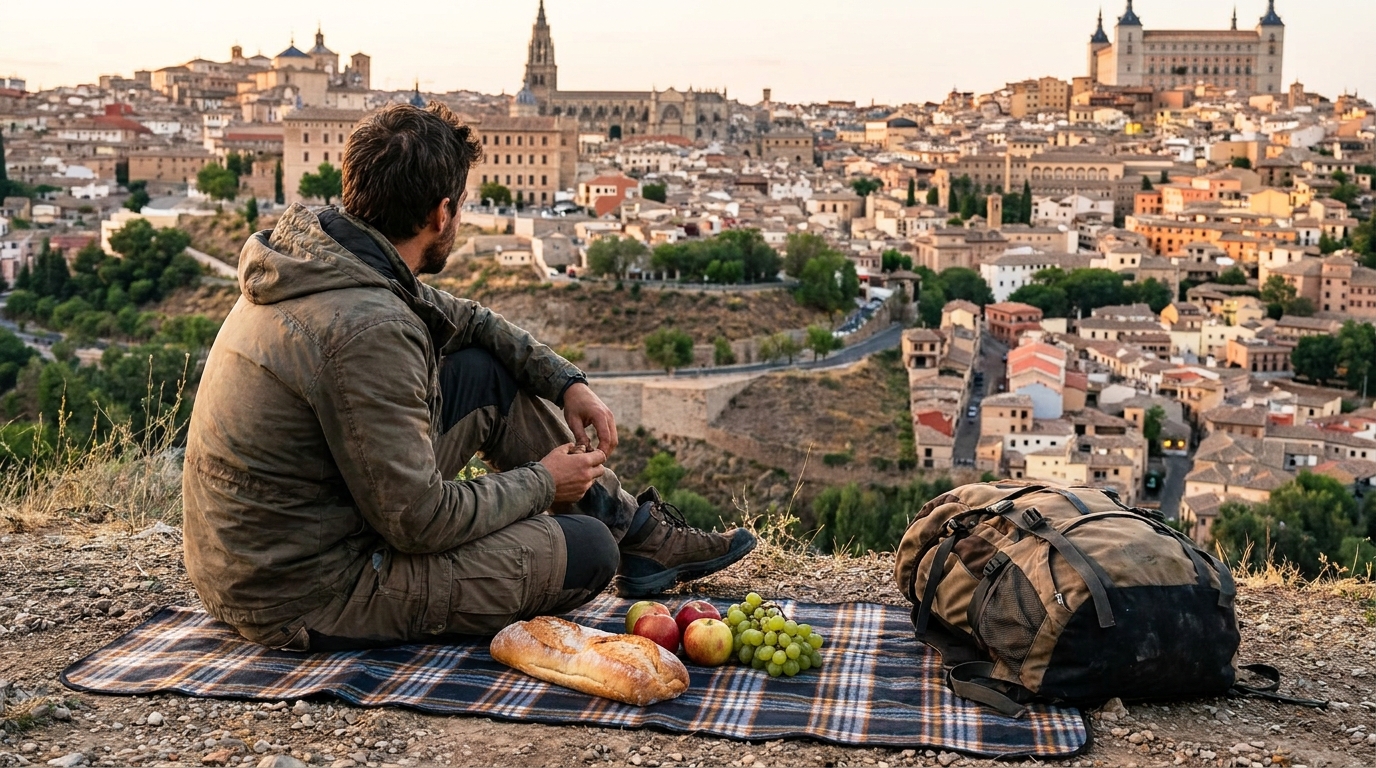
A realistic daily food rhythm on a tight budget looks like this: a pastry or bread-and-cheese breakfast for very little; a market lunch of fruit, bread, local cheese and cured meat eaten on a bench with a view; and one proper meal, either cooked at the hostel or eaten out at a menu del día, a bakery, or a hole-in-the-wall serving the regional staple. Lunch menus are the budget traveler's secret weapon — many restaurants offer a fixed midday menu at a fraction of the dinner price for the same kitchen.
What to avoid: the restaurants with photo menus and a host waving you in beside the main monument; bottled water and soft drinks with meals; and "tourist breakfast" buffets when a bakery is around the corner. Coffee standing at the bar is also cheaper than the same cup served at a table in Italy and a few other countries.
Move overland
Budget buses and regional trains are far cheaper than flights once you factor in transfers and baggage fees and the cost of getting to and from distant airports. Booking rail and bus tickets in advance unlocks the lowest fares, which are often released a month or more ahead and rise as seats sell. Overnight trains and buses save a night's accommodation too — a double win on long hops.
To keep transport spending low:
- Book the cheap tickets early. Advance, non-refundable rail fares and intercity buses are usually a fraction of the walk-up price.
- Walk and use day passes in cities. Most historic centres are compact; a multi-day transit card beats single tickets if you're moving around.
- Cluster your stops. A tight geographic loop costs far less than zig-zagging across the map. Let the route follow cheap, frequent connections rather than a bucket list in random order.
- Consider a rail pass only if the math works. Passes shine for flexible, frequent travel in pricier regions, but in cheap-ticket countries, point-to-point advance fares often win.
Lean on free experiences
Europe's best experiences are often free: walking historic centres, swimming, hiking, and visiting churches and parks. Many museums have free days or evenings, and free walking tours (tip-based) are a great orientation on your first day in a new city. The continent's outdoor public life — squares, promenades, beaches, viewpoints — is the main event, and it never charges admission.
Build a habit of asking, at each stop, "what does this place do for free?" The answer is usually a market, a sunset spot, a hill walk, a cathedral, a festival or a stretch of coast — more than enough to fill the days you're not paying for anything but food.
Travel in shoulder season
Visiting in spring or autumn rather than peak summer drops accommodation prices, thins the crowds and still delivers good weather — the single biggest lever on your daily budget. On the Adriatic, late May to June and September into early October are ideal: the sea is warm enough to swim, rooms cost noticeably less than in August, and you're not queuing for everything. Peak July and August can double your bed cost in coastal towns for the exact same room.
Practical tips
- Track every euro for the first week. A quick note in your phone shows you instantly where the money actually goes — it's rarely where you'd guess.
- Carry a refillable water bottle, a reusable bag and a microfibre towel. They pay for themselves in days.
- Use a card with no foreign-transaction fees and always choose to be charged in the local currency, not your home currency, to dodge bad "dynamic conversion" rates.
- Keep a small cash buffer. Plenty of markets, rural buses and family rooms are cash-only.
- Set a daily target, not a per-item rule. If a museum or a special meal matters to you, spend on it and trim the next day.
Frequently asked questions
Is $50 a day realistic everywhere? It's comfortable in the east and south and on the quieter coast, tight in big Western cities, and a stretch in Scandinavia and Switzerland. Average it across your trip rather than hitting it every single day.
Does solo travel cost more? Somewhat, since you can't split a private room. Dorms, communal kitchens and meeting other travelers to share rides help close the gap.
Can I still have nice meals and experiences? Yes — the budget assumes you cook and walk most of the time precisely so you can splurge occasionally without breaking it.
The bottom line
Fifty dollars a day in Europe is less about scrimping and more about steering your money. Keep beds, transport and food deliberately cheap through advance booking, self-catering and smart timing, and you free up plenty for the meals, views and experiences that actually make the trip. Travel in shoulder season, lean east and south, and let the continent's free, open-air life carry most of your days.

Tom is obsessed with making travel cheaper. He's spent years testing fare-alert tools, overnight trains and $50-a-day budgets across Europe, and writes our budget-travel and flights coverage. If there's a way to do a trip for less, he's probably tried it.
More about our writers →More in Budget Travel
How to Find Genuinely Cheap Flights
Forget myths about clearing your cookies. These are the strategies that actually move the needle on airfare.
Overnight Trains in Europe: Save Money and Time
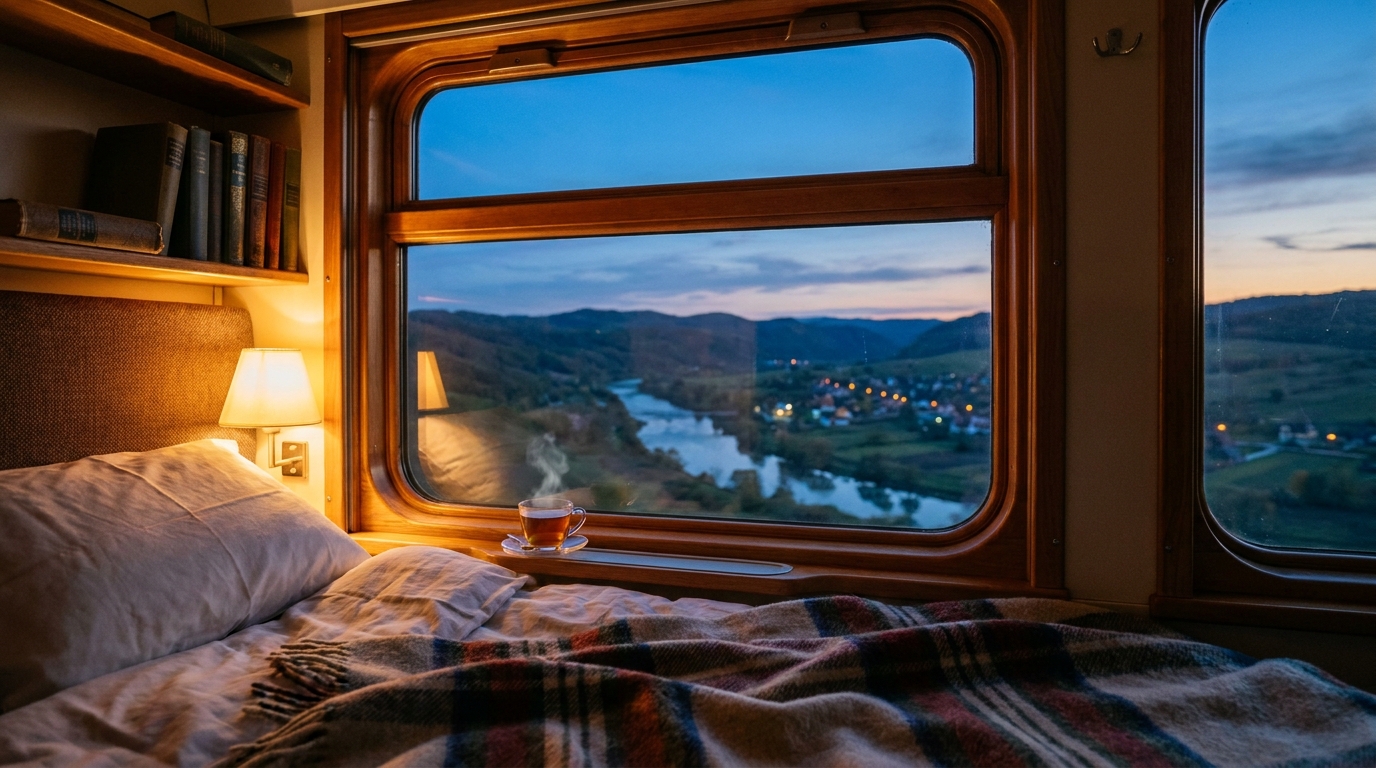
Night trains are quietly making a comeback. Done right, they save a night's accommodation and wake you up in a new city.
Free Things to Do in Europe's Coastal Cities
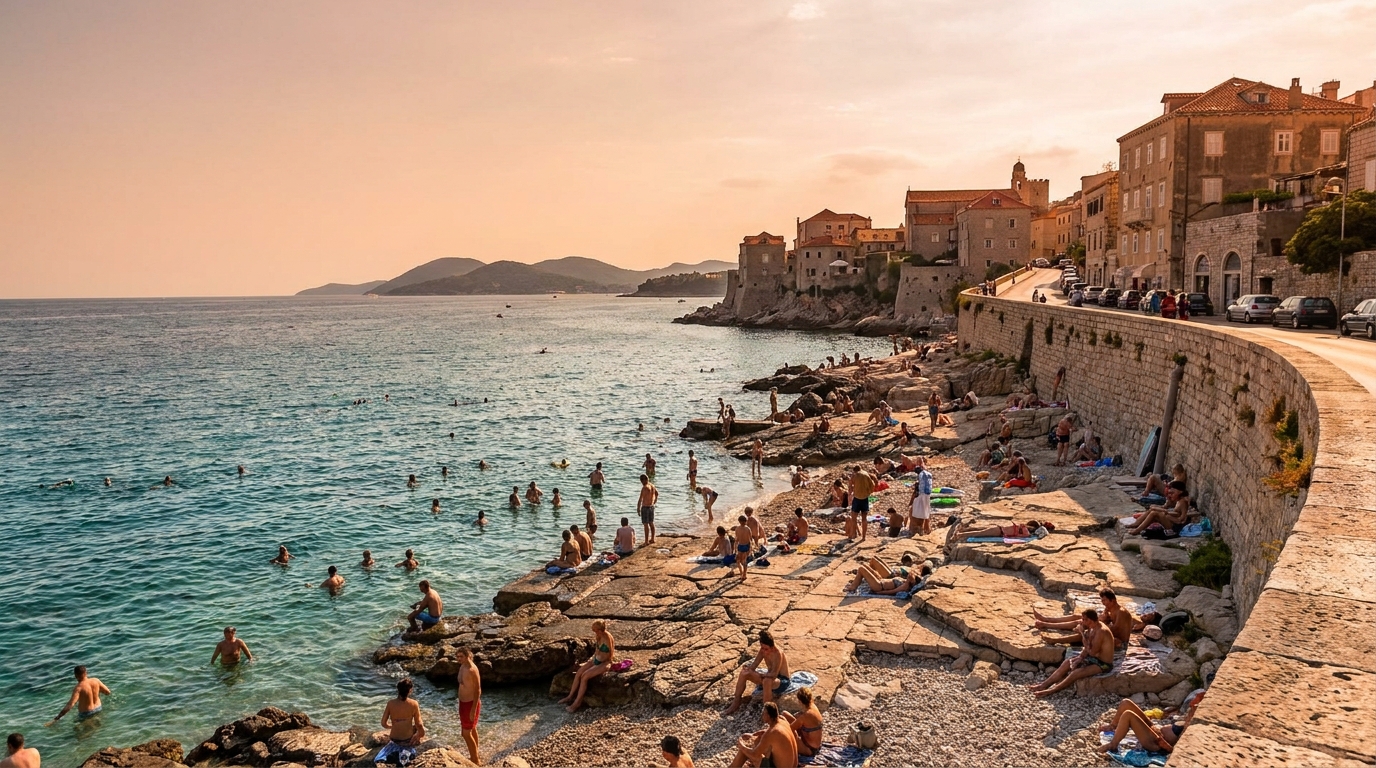
Some of the most memorable hours of a coastal trip cost nothing at all. Here's how to fill your days for free.