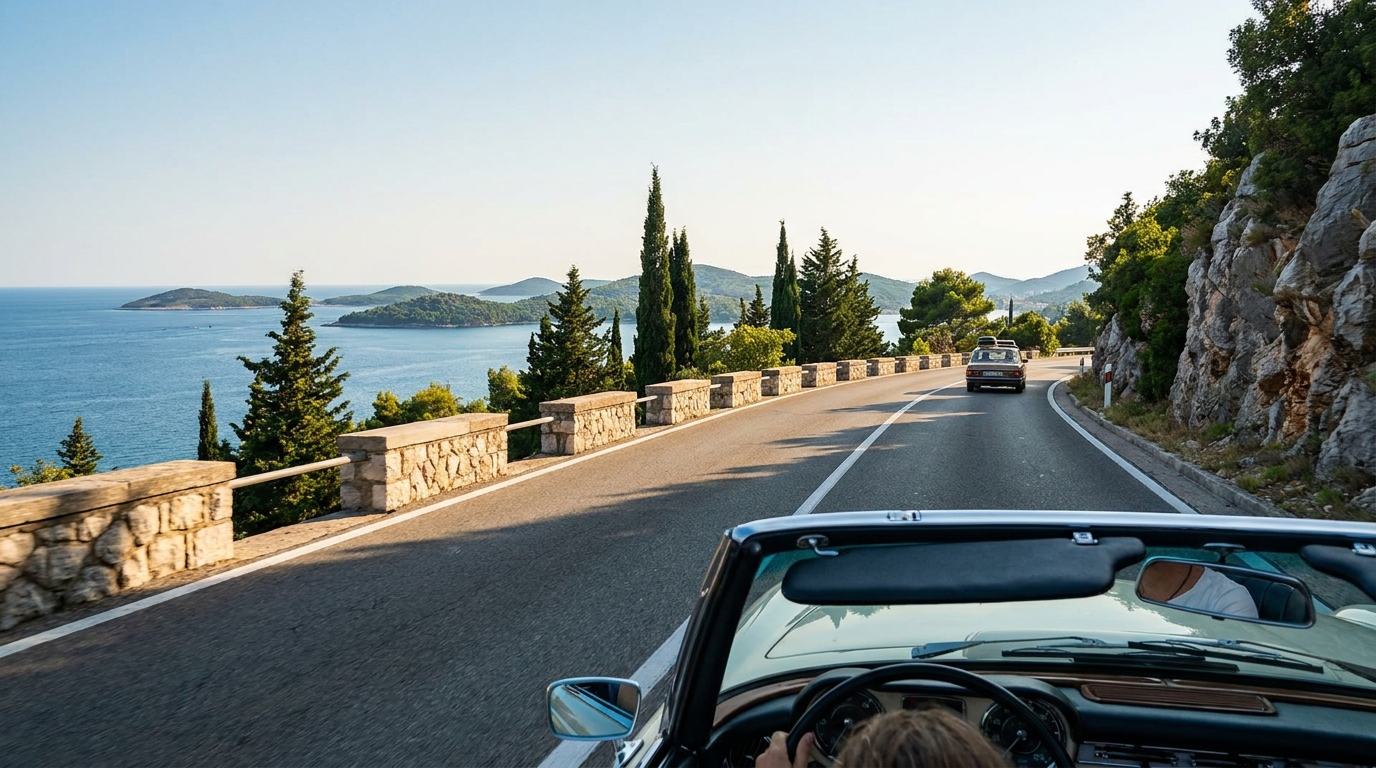
The Perfect 7-Day Croatia Itinerary
Croatia's coast is long, so a focused route beats trying to see everything in one trip. This week concentrates on southern Dalmatia — the most scenic stretch of the country — with a deliberate mix of walled cities, sun-baked islands, waterfalls and slow harbour evenings. Seven days is enough to feel like you've travelled rather than rushed, provided you keep the geography tight and let the ferries do the heavy lifting.
Days 1–2: Dubrovnik
Start in Dubrovnik, the obvious showpiece and the easiest place to land. The single most important piece of advice for the whole trip lands here: walk the city walls early, ideally right at opening or in the last hour before close. By mid-morning in summer the circuit turns into a slow, sun-exposed shuffle behind cruise-ship crowds, and there is almost no shade up top.
With the walls done, let the rest of day one unwind. Lose yourself in the Old Town's polished limestone side streets, climb up to the quieter residential lanes north of the Stradun, and ride the cable car up Mount Srđ for sunset over the terracotta rooftops and the islands beyond. On day two, escape the stone for water. The forested island of Lokrum is a ten-minute boat ride and has shaded paths, a small saltwater lake and rocky swimming spots. Alternatively, a sea-kayak tour beneath the walls is the best way to appreciate their scale and reach a couple of caves you can swim into.
Day 3: Travel to Hvar
Take a catamaran north to Hvar. The fast passenger boats are the comfortable, scenic option, and the morning departure leaves you a full afternoon. Drop your bag and head straight out to the Pakleni Islands, a scatter of low islets just offshore with clear-water coves and easy taxi-boat connections from the harbour. Back in town for the evening, Hvar earns its reputation: a marble main square, a hilltop fortress catching the last light, and a harbour that fills with the genuinely glamorous crowd around dinner. Eat well, walk it off, and resist the urge to make it a late one — tomorrow is for the quiet side of the island.
Day 4: Hvar at a slower pace
Rent a scooter (or a small car if two-wheelers make you nervous) and explore the island's interior. This is the day to do almost nothing on purpose. Cut inland to the lavender fields and old stone villages, drop down to Stari Grad with its ancient harbour and UNESCO-listed agricultural plain, and find a quiet cove for a long swim. Pack a picnic or aim for a family-run tavern (konoba) in a hill village where lunch arrives slowly and tastes better for it. The contrast with the buzzy harbour town is the whole point.
Day 5: Split
Ferry to Split and walk straight into the living heart of the city: Diocletian's Palace, a Roman emperor's retirement complex that has been continuously inhabited for 1,700 years and is now stitched full of apartments, bars and shops. Wander the cellars and the colonnaded Peristyle, then drift out to the Riva waterfront at dusk for an aperitif. Finish by climbing Marjan hill on the city's western tip for a long view over the rooftops, the harbour and the islands you've been hopping between.
Day 6: Day trip from Split
Pick one of two strong options:
- Krka National Park — easier to reach than Plitvice from Split, with boardwalk trails past a series of falls. Note that swimming is now restricted to designated areas, so check current rules before you go.
- Brač island — home to Zlatni Rat, the shape-shifting pebble spit that appears on every Croatia poster. It's a quick ferry from Split and pairs a beach day with the laid-back town of Bol.
Choose Krka if you want nature and a change of scenery; choose Brač if you'd rather keep the holiday firmly aimed at the sea.
Day 7: Slow morning and departure
Use your final morning the way the coast wants you to: a last swim, a slow coffee, or a stroll through Split's Pazar green market for figs, olive oil and cheese to take home. Split airport is well-connected across Europe and a short shuttle or taxi from the centre, so you don't need to bolt for it at dawn.
How to get there and get around
Most travellers fly into Dubrovnik and out of Split (or the reverse), which avoids backtracking. Between stops, lean on the catamarans and car ferries run by operators like Jadrolinija and Krilo — they're frequent in summer and far more pleasant than the inland roads. You don't need a car for this route, and parking in the old cities is a genuine headache; rent wheels only for the day you explore Hvar's interior, or skip even that.
Best time of year
- June and September are the sweet spot: warm sea, full ferry schedules, fewer crowds and gentler prices than peak.
- July and August are hot, busy and expensive, with the most boat departures but also the longest queues and the highest accommodation rates — book months ahead.
- May and early October are lovely and calm but with a thinner ferry timetable and a sea that's still warming up or cooling down.
Roughly what it costs
Croatia is no longer a budget secret, especially on the southern coast. Dubrovnik is the priciest stop by some margin; Split offers better value, and a night in a village konoba on Hvar will cost far less than the harbour-front. Ferries are reasonable, but accommodation in July and August is where budgets disappear. Travelling in the shoulder season is the single biggest lever for spending less without changing the route.
How to adapt the route
- Short on time (4–5 days)? Cut Hvar's slow day and pick either Dubrovnik or Split as your base, day-tripping from one of them.
- Have 10 days? Add a second island — Vis for an off-the-radar, military-history-meets-secret-coves feel, or Korčula for a mini-Dubrovnik with vineyards.
- Want it slower? Stay two nights everywhere and drop one day trip. The coast genuinely rewards lingering over ticking boxes.
What to skip
- Don't try to add the northern coast (Istria, the Plitvice region) onto this southern loop — the distances will eat your week.
- Skip renting a car for the cities; it's a liability, not a convenience.
- Don't over-schedule the islands. One beach, one long lunch and one swim is a better island day than three rushed sights.
Practical tips
- Book catamarans and ferries in advance during summer; popular morning departures sell out.
- Travel with a carry-on. You'll be wheeling bags over cobbles and on and off boats, and small luggage makes island hops painless.
- Carry a reusable water bottle — tap water is excellent and the heat is real.
- Bring proper water shoes for the pebble and rock beaches; flip-flops won't cut it.
- Build in unstructured time. The best moments here are usually unplanned.
The bottom line
This week trades breadth for depth, and it's the better trade. By staying in southern Dalmatia and letting the ferries connect a handful of brilliant stops, you get Roman ruins, medieval walls, island calm and a couple of unforgettable swims without ever feeling like you're racing a timetable. Travel in the shoulder season, pack light, and leave room to do nothing — that's when Croatia is at its best.

Ivan plans the routes. A lifelong hiker based in Zagreb, he has walked the boardwalks of Plitvice and Krka in every season and mapped out countless Croatia and Balkans road trips for friends before turning it into a job. He writes our itineraries and national-park guides.
More about our writers →More in Itineraries
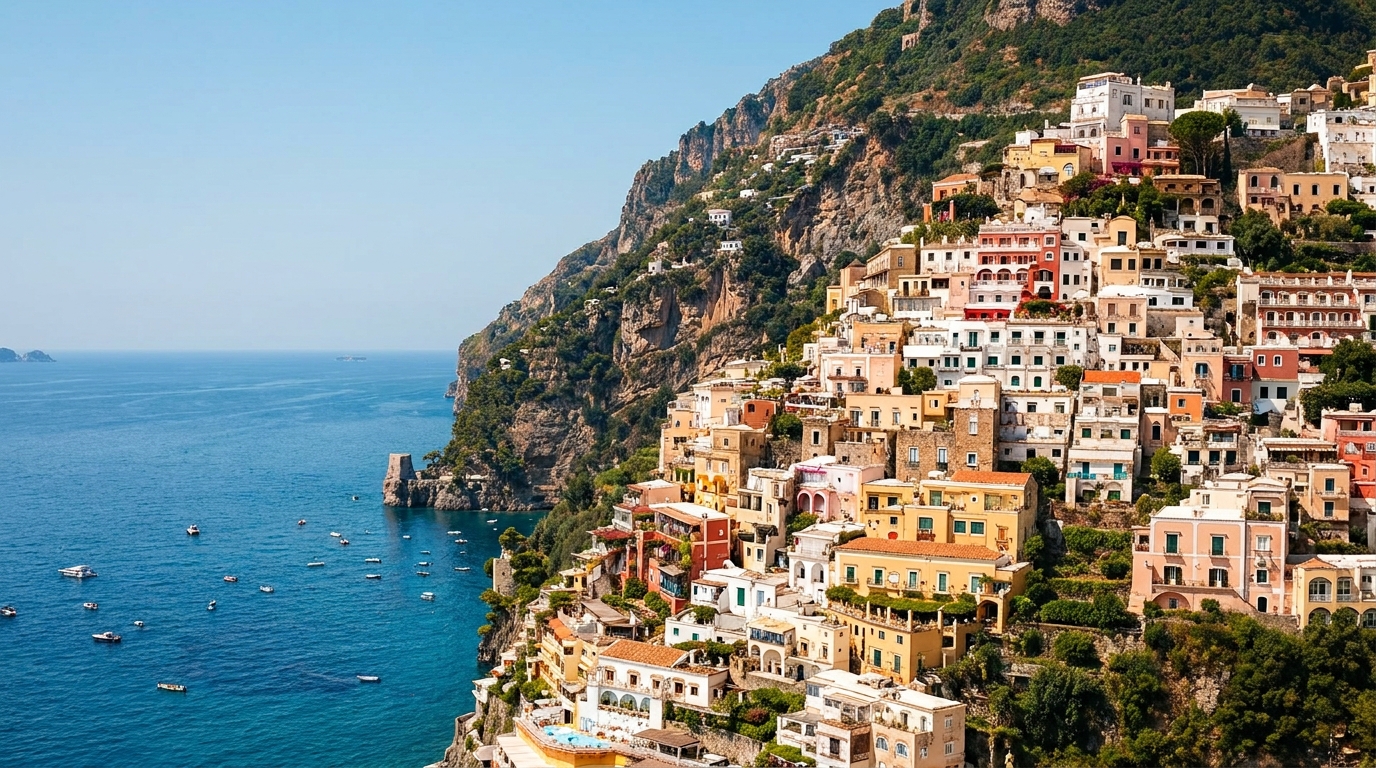
Amalfi Coast in a Long Weekend: A 4-Day Plan
Cliffside villages, lemon groves and impossibly blue water — here's how to make the most of four days on Italy's Amalfi Coast.
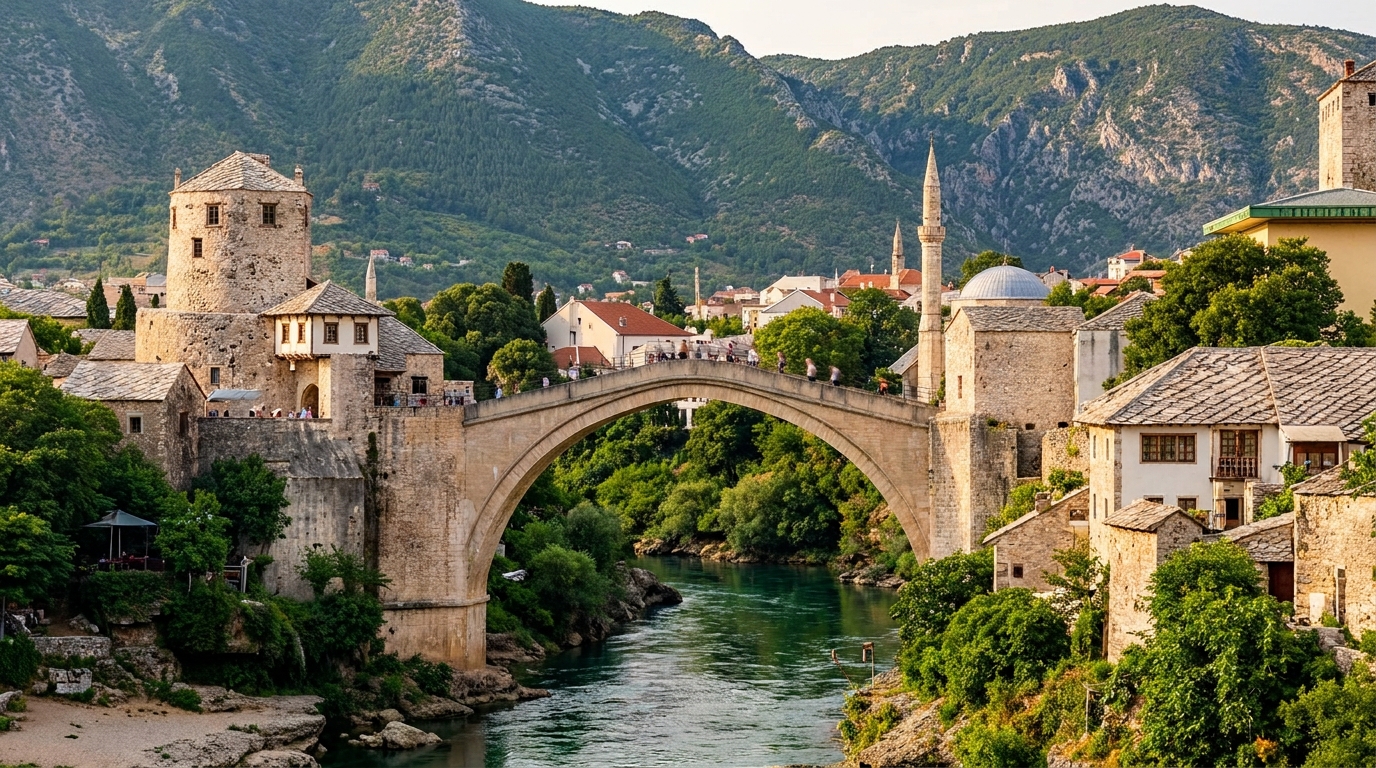
Two Weeks Across the Balkans by Bus and Ferry
An affordable, scenic overland route through Croatia, Bosnia, Montenegro and beyond — using buses, ferries and your own two feet.
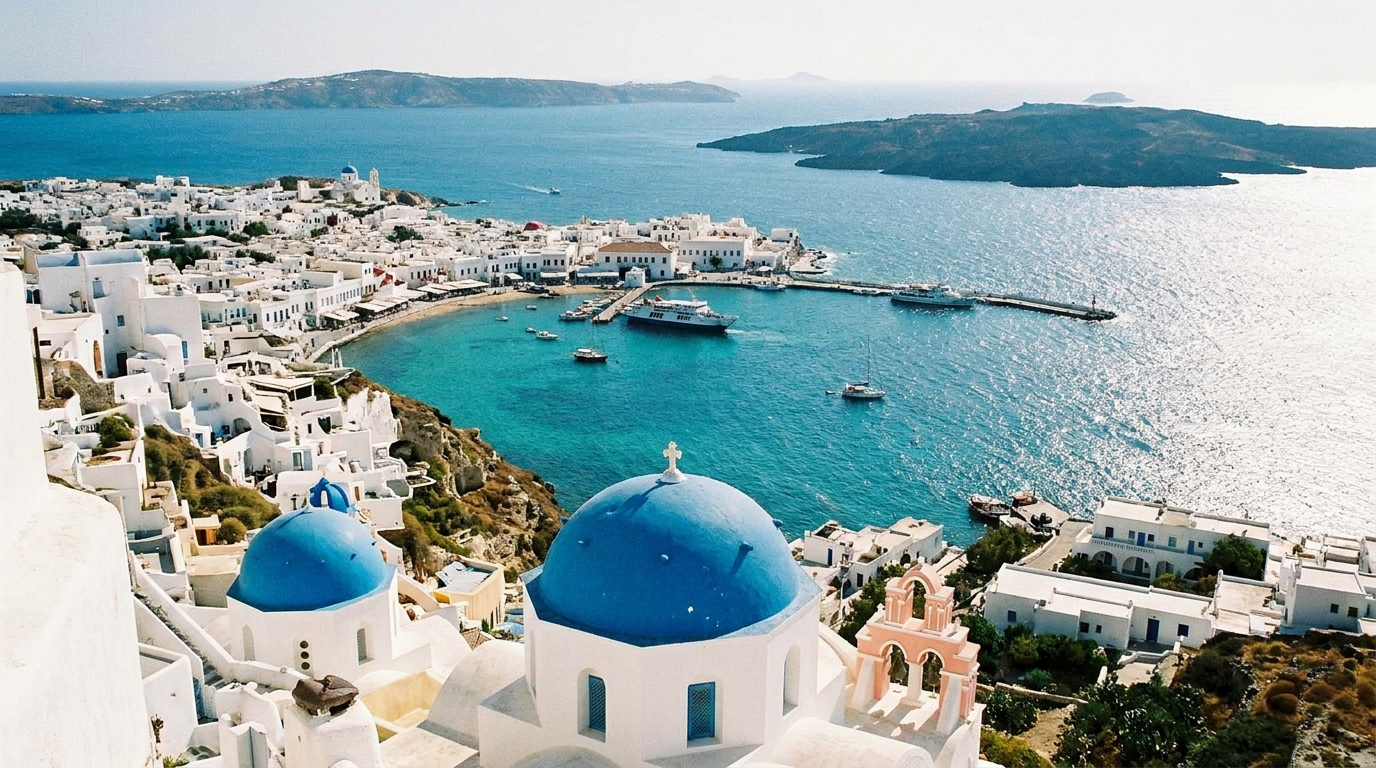
Greek Islands Hopping: A 10-Day Cyclades Route
Whitewashed villages, volcanic beaches and ferry rides between them — a relaxed ten-day loop through the Cyclades.