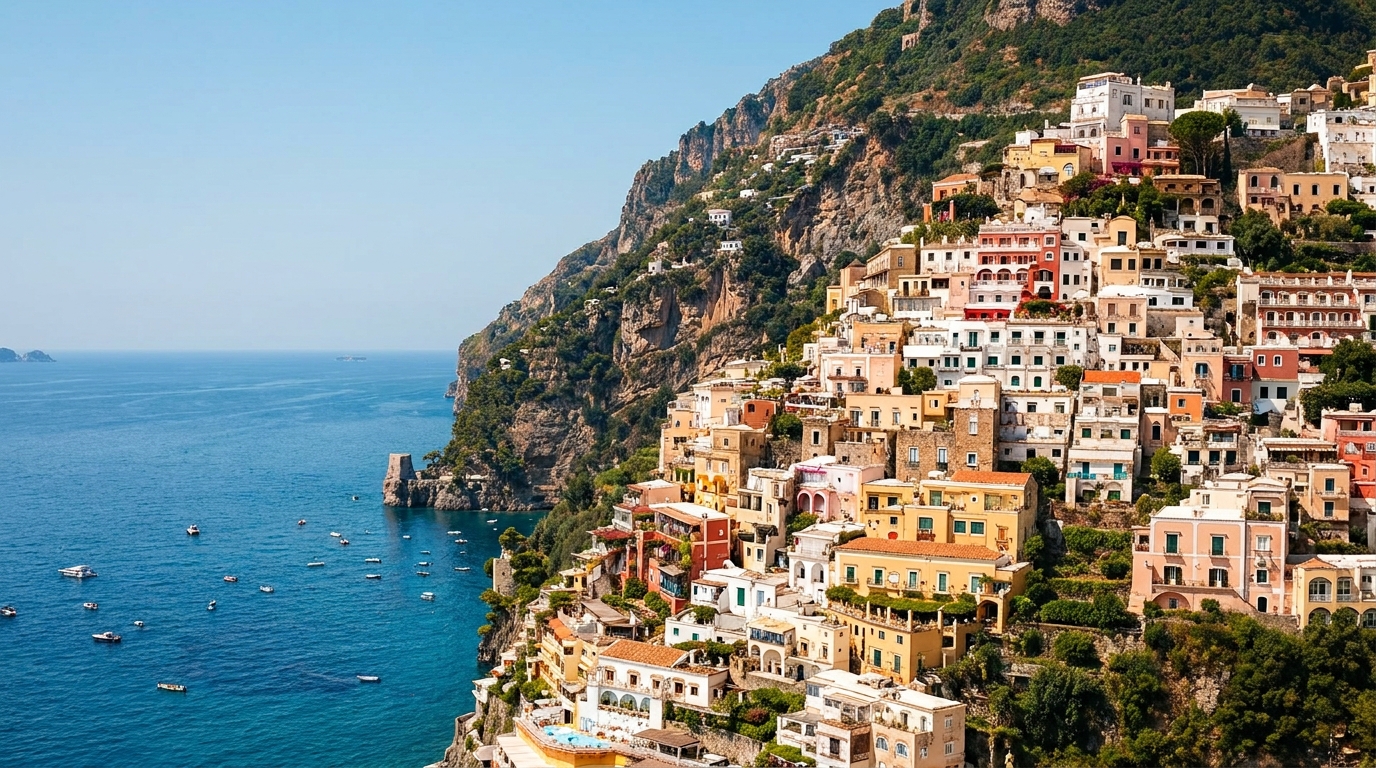
Amalfi Coast in a Long Weekend: A 4-Day Plan
The Amalfi Coast packs an outrageous amount of drama into a short, winding stretch of southern Italy — cliffside villages, terraced lemon groves and water so blue it looks colour-graded. Four days is enough to see the highlights without spending your whole trip white-knuckling the famously twisty coastal road. The trick is to base yourself well, travel by boat where you can, and accept that "slow" is the local speed.
Day 1: Settle in Amalfi or Atrani
Base yourself centrally so you're not commuting across the whole coast each day. Amalfi town sits roughly in the middle, has the best transport links, and is large enough to have life after the day-trippers leave. Its tiny, much quieter neighbour Atrani is a five-minute walk around the headland and one of the most charming villages on the coast — smaller, cheaper and far calmer in the evening.
Spend the first afternoon getting your bearings. Climb the dramatic staircase to Amalfi's striped cathedral, the Duomo di Sant'Andrea, and wander the back lanes that burrow into the cliff behind the main square. Once a powerful maritime republic, Amalfi still has a salty, working-harbour edge under the tourism. Have your first seafront dinner here and watch the boats come in.
Day 2: Ravello and the gardens
Take the bus (or a taxi if you'd rather not wait) up to Ravello, perched high above the coast on a mountain shoulder. This is the cultured, contemplative side of the Amalfi Coast, and the air is noticeably cooler. The two unmissable sights are gardens:
- Villa Rufolo, whose terrace and tower frame one of the most photographed views in Italy and which hosts a famous summer music festival.
- Villa Cimbrone, whose Terrace of Infinity — a balustrade lined with marble busts looking straight down the coast — offers the single most romantic view on the whole stretch, far above the crowds at sea level.
Linger over lunch in Ravello's quiet piazza before heading back down. The town empties out by evening, so it's worth the daylight hours rather than a rushed afternoon.
Day 3: Positano by boat
Skip the traffic entirely and take a ferry to Positano, the coast's most photogenic village, where pastel houses tumble vertically down to a small beach. Arriving by sea is the classic, postcard approach, and it spares you the crawling bus along the corniche. Wander down (everything in Positano is down) through the boutiques and bougainvillea to Spiaggia Grande, the main beach, and have a long lunch with a view back up at the village.
In the afternoon, choose your energy level. Either settle onto the beach with a swim and a granita, or lace up and walk a section of the Path of the Gods (Sentiero degli Dei), the cliff-top trail with knockout views over the sea. The classic route runs from Bomerano down to Positano; even doing part of it is rewarding, but bring water and proper shoes.
Day 4: Lemons, limoncello and a slow exit
Use your final morning to lean into what the coast is quietly famous for. Book a lemon-grove tour on one of the terraced family farms above the towns — the sfusato amalfitano lemons here are enormous, fragrant and the source of all that limoncello. Many tours end with a tasting and a simple lunch of mozzarella, garden vegetables and lemon cake. If a tour feels like too much for your last day, a long lunch and a final harbour stroll do the job just as well. A bottle of local limoncello is the obvious souvenir.
How to get there and get around
The nearest airport is Naples. From there you have a few options to reach the coast:
- Train to Salerno, then a ferry along the coast to Amalfi — the most pleasant approach, swapping highways for sea views.
- Train to Sorrento, then the bus along the western corniche — scenic but slow and often packed.
- A private transfer straight to your hotel, which is the easy (and priciest) door-to-door option.
Once you're there, ferries are the most pleasant way to hop between coastal towns in season and the best way to dodge the notorious road traffic. The SITA buses connect the hilltop villages and the towns the boats don't reach, but they get crowded and run to the rhythm of the traffic. Above all, bring comfortable shoes — there are stairs absolutely everywhere, and the whole coast is essentially a vertical staircase to the sea.
Best time of year
- Late April to June and September to early October are ideal: warm, swimmable, and busy but not overwhelming.
- July and August bring the hottest weather, the biggest crowds and the highest prices, with the road traffic at its worst.
- Winter is quiet and beautiful but many hotels, restaurants and ferries shut down from roughly November to Easter, so it's not the time for this itinerary.
Roughly what it costs
The Amalfi Coast is one of Italy's pricier destinations, and Positano is the most expensive corner of it. You can soften the blow considerably by basing in Atrani or even up the valley rather than on the Positano seafront, eating away from the main piazzas, and travelling in the shoulder season. Ferries and buses are inexpensive; accommodation and beach-club loungers are where the money goes. A simple panino and a swim off the public beach cost almost nothing — the indulgence is optional.
How to adapt the route
- Only have a weekend? Drop Ravello and split your time between an Amalfi base and a single boat day to Positano.
- Have a full week? Add a day on Capri by ferry, a hike of the full Path of the Gods, and a quieter village like Praiano for a slow afternoon.
- Travelling with less mobility? Favour Amalfi and the ferries over the staircase-heavy villages, and use taxis up to Ravello rather than the bus.
What to skip
- Don't attempt to drive the coast road yourself unless you're very confident — it's narrow, busy and parking is scarce and expensive.
- Skip trying to see every village; the coast is small but slow, and three towns done well beats six done in a panic.
- Don't pin your whole trip on a famous beach club. The views and the swimming are just as good from the public stretches.
Practical tips
- Carry cash for buses, small cafés and beach fees, though cards are widely accepted in restaurants and shops.
- Check ferry timetables the night before; they're seasonal and weather-dependent.
- Wear shoes with grip for the stairs and trails, and pack a light layer for breezy boat rides and cooler evenings up in Ravello.
- Start early to beat both the heat and the crowds at the headline sights.
The bottom line
Four days on the Amalfi Coast is a long weekend that punches well above its length. Base yourself centrally in Amalfi or Atrani, give Ravello and Positano a full day each, save the last morning for lemons and a slow exit, and use boats instead of buses wherever you can. Do that, and you'll come home with the views, the limoncello and your sanity intact — having let the coast set the pace rather than fighting it.

Sofia is a Naples-based food writer who believes the fastest way to understand a place is through its market and its coffee bar. She covers food and culture across Italy and the Mediterranean for AdriaForum, from black risotto on the Croatian coast to the unwritten rules of ordering an espresso.
More about our writers →More in Itineraries
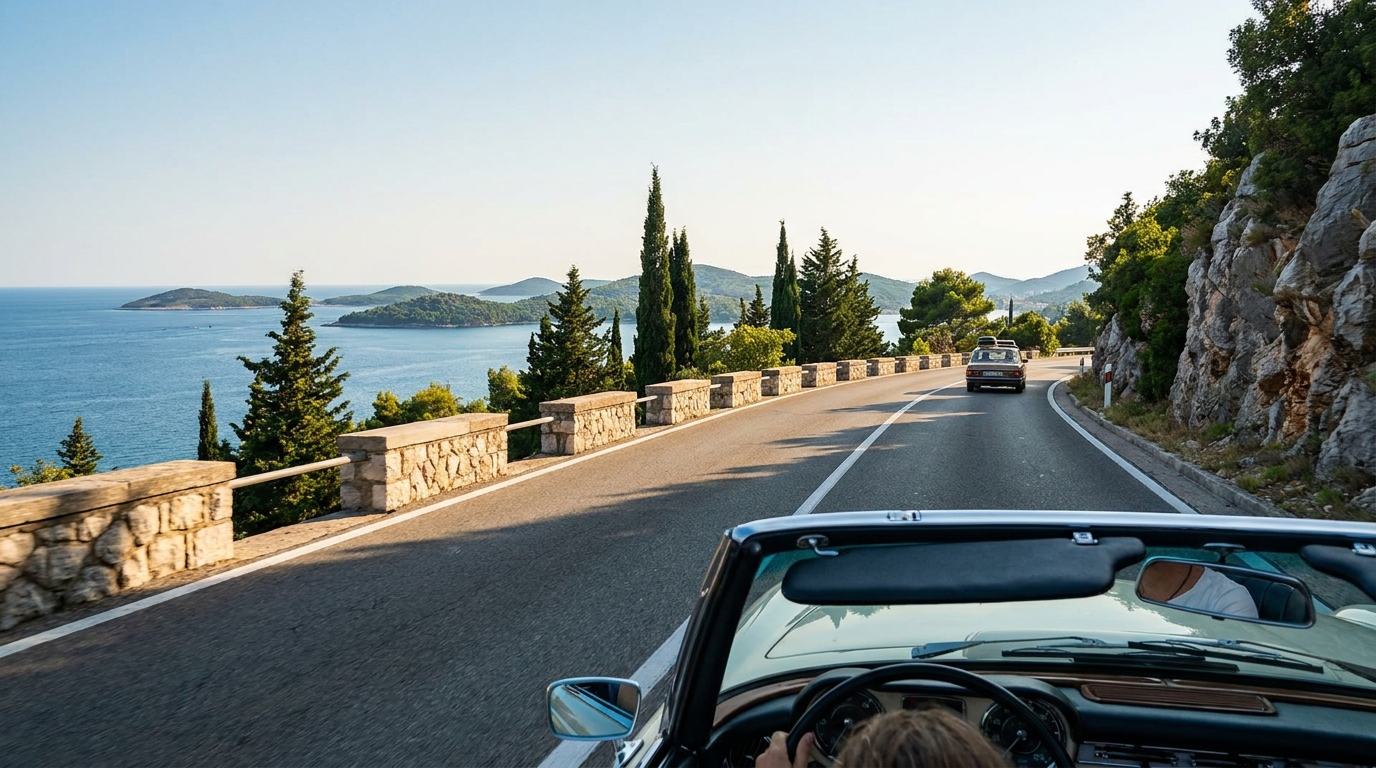
The Perfect 7-Day Croatia Itinerary
From Dubrovnik's walls to Split's palace and the islands in between — a balanced week-long route down the Dalmatian coast.
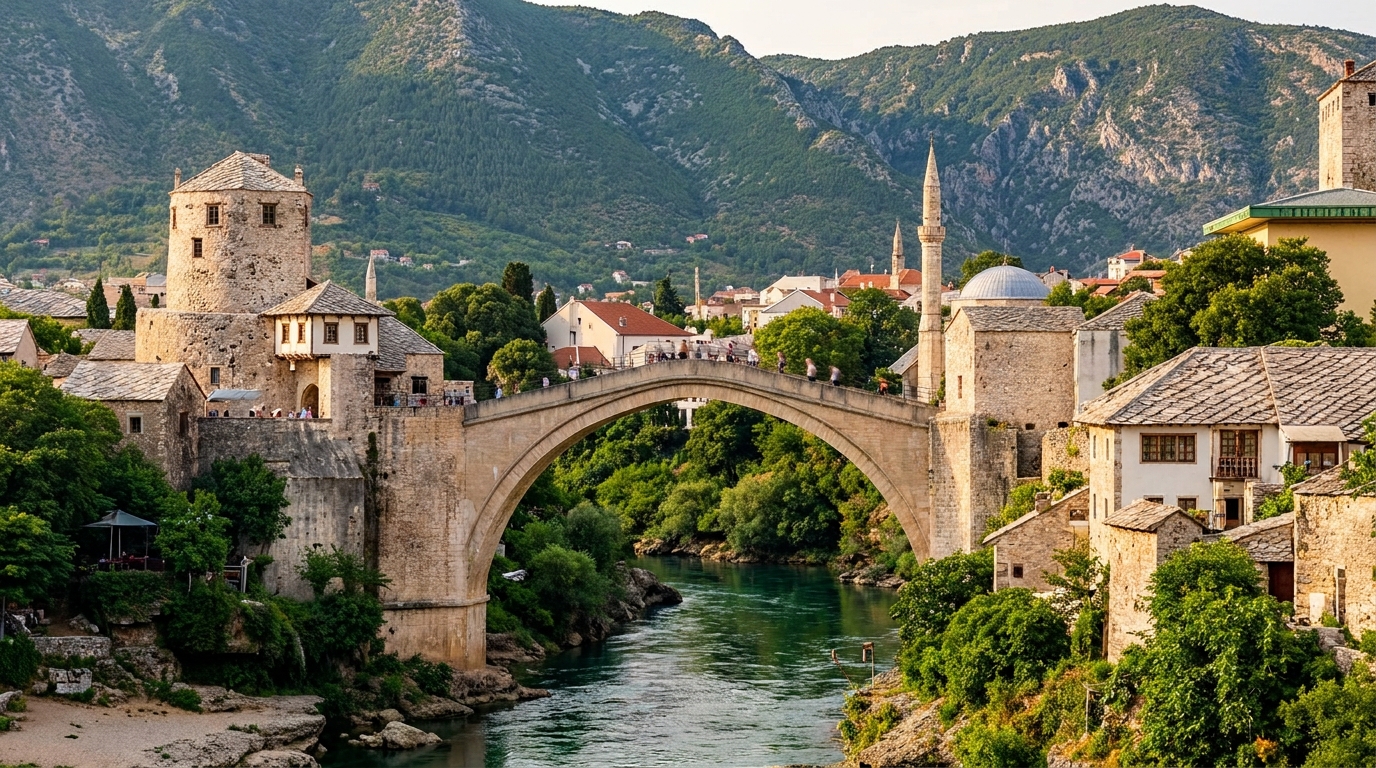
Two Weeks Across the Balkans by Bus and Ferry
An affordable, scenic overland route through Croatia, Bosnia, Montenegro and beyond — using buses, ferries and your own two feet.
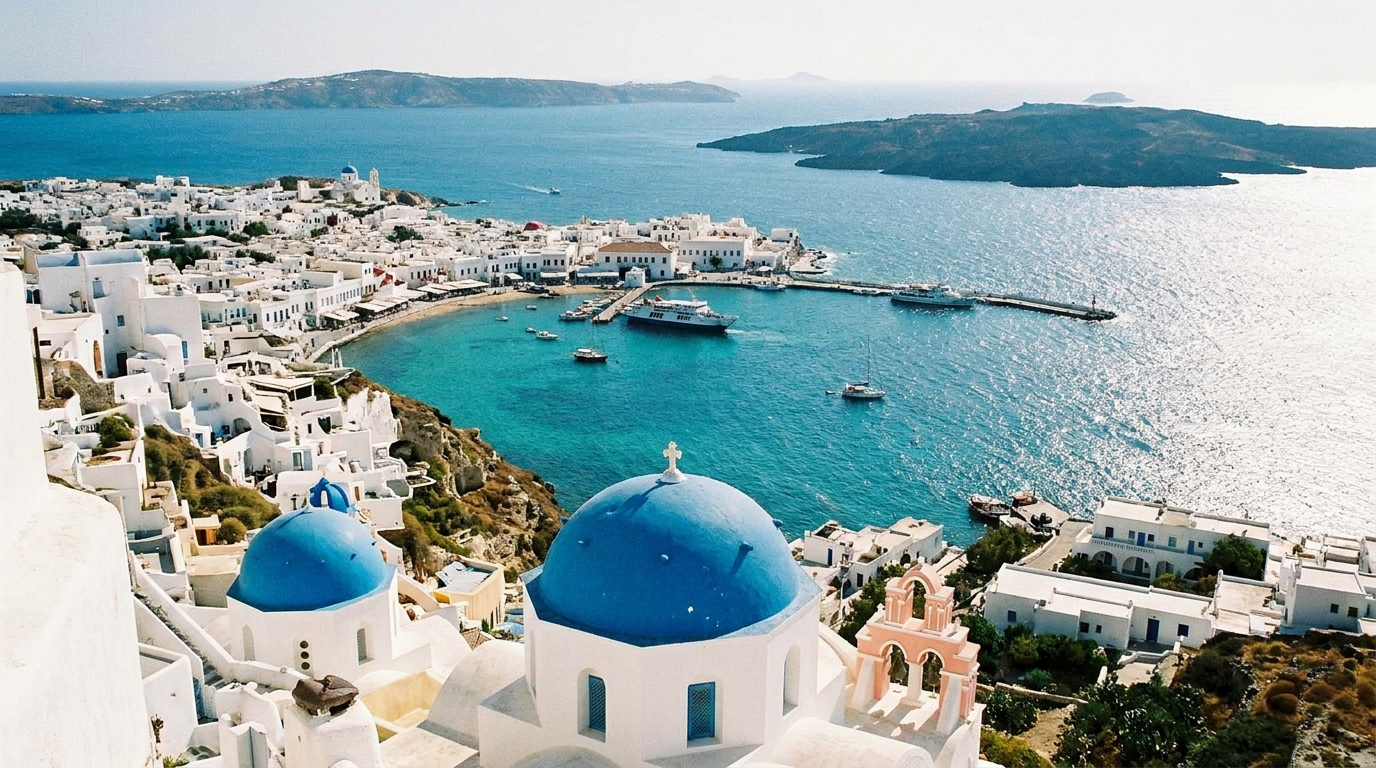
Greek Islands Hopping: A 10-Day Cyclades Route
Whitewashed villages, volcanic beaches and ferry rides between them — a relaxed ten-day loop through the Cyclades.