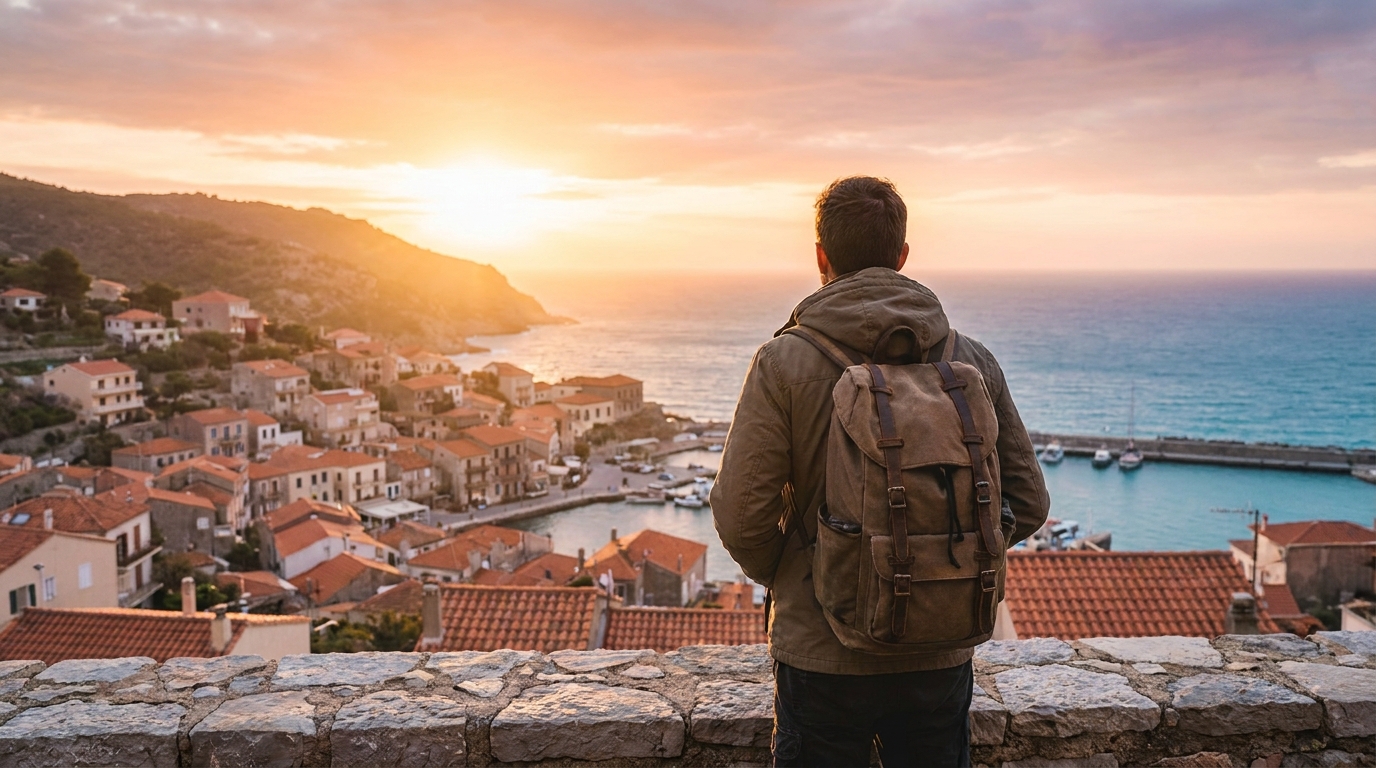
Solo Travel Safety: Practical Habits That Keep You Safe
Traveling alone is one of the most rewarding things you can do, and the vast majority of solo trips pass without incident. A few sensible habits cover most of the realistic risks. None of them require paranoia or a wall of gadgets — they're small routines that, once they become automatic, let you relax and actually enjoy being on your own.
The right mindset
Solo travel safety is mostly about preparation and awareness, not fear. The aim is to remove the easy opportunities — the lost-and-distracted moment, the no-plan-after-dark situation — so that you're free to be open, curious, and spontaneous the rest of the time. Confidence itself is protective: someone who looks like they know where they're going is a far less appealing target than someone visibly disoriented. The habits below are about earning that calm, not replacing it with anxiety.
Share your itinerary
Tell someone at home where you're staying and your rough plans, and check in on a loose schedule. A shared live location with a trusted contact costs nothing and is reassuring for everyone.
Make it concrete so the safety net actually works:
- Send a trusted person your accommodation name, address, and dates before each leg.
- Agree on a loose check-in rhythm — a quick message each evening, say — so a missed one is noticed.
- Turn on live location sharing for a trusted contact (phones make this easy and you can switch it off any time).
- Forward booking confirmations for flights, ferries, and stays so someone else has your trail.
Arrive in daylight
Plan to reach a new city or accommodation during the day when possible. Getting oriented in an unfamiliar place is much easier — and safer — in daylight than at midnight.
Daylight arrivals give you time to find your accommodation calmly, get a feel for the neighbourhood, and sort out a SIM, cash, or transport before everything closes. If a late arrival is unavoidable:
- Pre-book a transfer or note a reputable taxi or ride-hail option in advance.
- Have the exact address and a screenshot of the route saved offline.
- Message your accommodation ahead so they expect you and the door isn't a problem.
Keep money in two places
Split your cash and cards. Carry a small amount for the day and leave the rest, plus a backup card, somewhere secure. If a wallet is lost or stolen, you're inconvenienced, not stranded.
Redundancy is the whole point. A simple setup:
- A day wallet with one card and a modest amount of cash for the day.
- A backup card and the bulk of your cash stored separately — in your accommodation safe or a hidden pouch.
- A small emergency reserve (a little cash and a note of key numbers) kept somewhere you'd never normally open.
- Digital photos of your passport, cards, and insurance details stored securely so you can replace them if needed.
Trust your instincts
If a situation, street or person feels off, you don't owe anyone an explanation. Step into a shop, café or hotel lobby and reset. Your gut is a useful early-warning system.
That uneasy feeling is your brain noticing patterns before you can articulate them — take it seriously. You're allowed to be "rude": leave a conversation, decline a drink, change direction, or end a tour early. A polite white lie ("I'm meeting friends") is a perfectly good exit. Ducking into a busy, well-lit public place — a shop, café, pharmacy, or hotel lobby — gives you a moment to reassess without committing to anything.
Blend in a little
You don't need to disguise yourself, but flashing expensive gear or looking lost with a giant map marks you out. Step into a shop to check directions on your phone rather than standing on a corner.
Blending in is mostly about not advertising. A few easy moves:
- Look up the route before you set off so you walk with purpose rather than stopping to puzzle on corners.
- Keep expensive cameras, watches, and phones out of sight when you're not using them.
- Note rough local dress norms, especially at religious sites, and lean toward the unremarkable.
- Carry your bag in front in crowds and keep it zipped and on your body, not hanging off a chair.
Have a backup plan for the night
Know the name and address of your accommodation written down, keep a screenshot of the map offline, and have enough for a taxi if plans fall through.
The goal is that you're never stuck with a dead phone and no way home. Build a small "get-home kit" of redundancies:
- Accommodation name and address written on paper, not just in your phone.
- An offline map and offline screenshots of your route saved in advance.
- A charged power bank so your phone doesn't die at the worst moment.
- Enough cash for a taxi, kept separate from your main wallet.
- The local emergency number saved and a note of your country's nearest embassy or consulate.
Frequently asked questions
Is solo travel actually dangerous? Overwhelmingly, no. The most common problems are petty theft and scams, not violence — and both are largely preventable with the habits above. Most solo travellers' biggest "incident" is a missed ferry.
Should I tell people I'm travelling alone? With strangers, there's rarely a need to volunteer it. Vague answers ("I'm meeting people later") are fine, and a fellow traveller in a hostel is a different situation from a pushy stranger on the street.
What's the single highest-value habit? Sharing your itinerary and checking in. It costs nothing, requires no gear, and means that in the rare event something goes wrong, someone notices quickly.
How do I meet people without compromising safety? Use social settings designed for it — hostels, group tours, cooking classes, day trips. Meet new acquaintances in public places first, stay aware of your drinks, and keep your accommodation details to yourself until you trust someone.
Practical tips
- Keep your phone charged and carry a power bank; a dead phone removes your map, contacts, and lifeline at once.
- Save the local emergency number and embassy details before you need them.
- Watch your drinks and pace your alcohol — most avoidable trouble traces back to over-drinking and lost awareness.
- Choose accommodation with good recent reviews and a 24-hour or responsive contact.
- Trust friendly locals, but keep the gut check running; warmth and caution aren't mutually exclusive.
The bottom line
Solo travel is safe, freeing, and worth doing — and a handful of small habits make it safer still. Share your plans, arrive in daylight, split your money, trust your instincts, keep a low profile, and always have a way home. Build these into your routine and they fade into the background, leaving you free to do the thing you came for: explore the Adriatic, and the world, entirely on your own terms.

Elena has travelled to more than 40 countries, almost always with a single carry-on. She writes our practical travel-tips pieces — packing, staying safe as a solo traveller, and the small habits that make trips smoother. She's currently based in Lisbon between trips.
More about our writers →More in Travel Tips
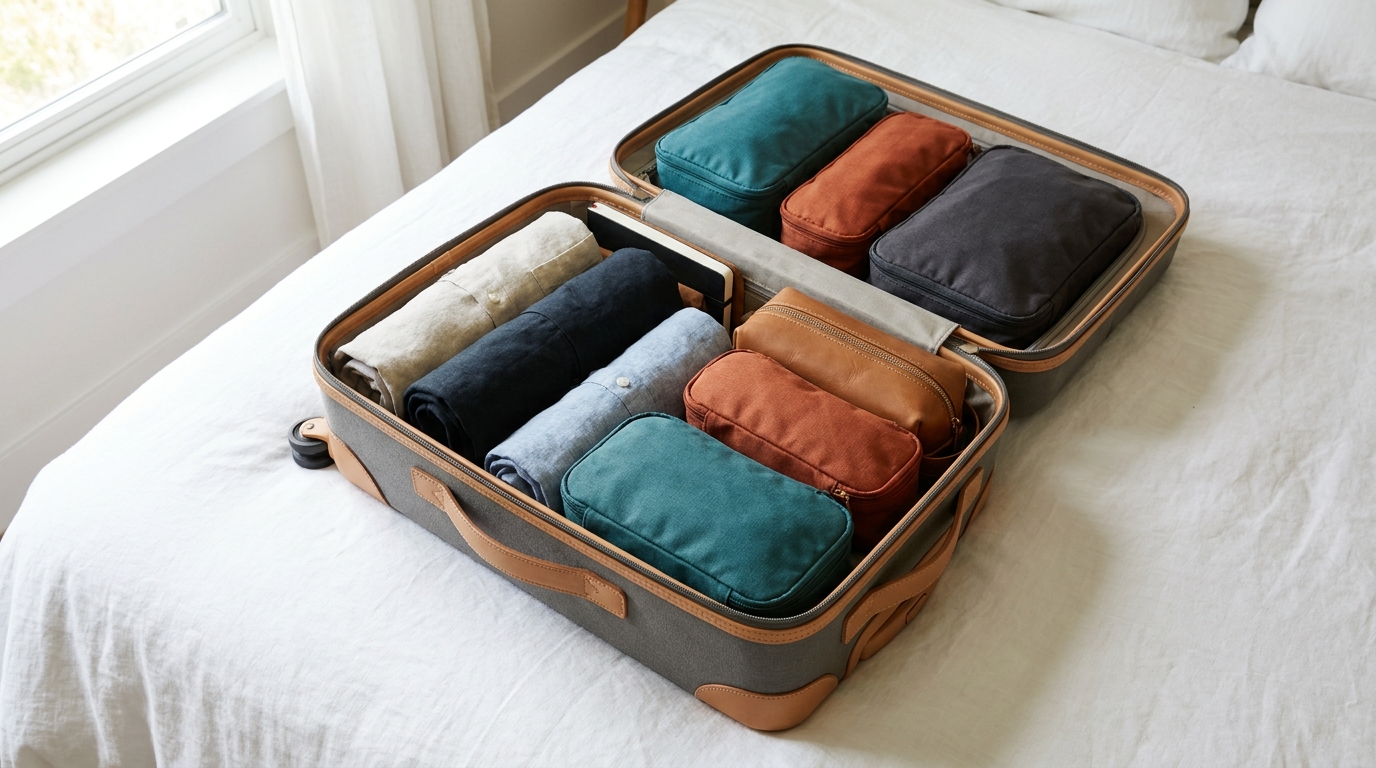
How to Travel Carry-On Only for Two Weeks
Skipping checked luggage saves money, time and stress. Here's a realistic system for packing two weeks into a single carry-on.
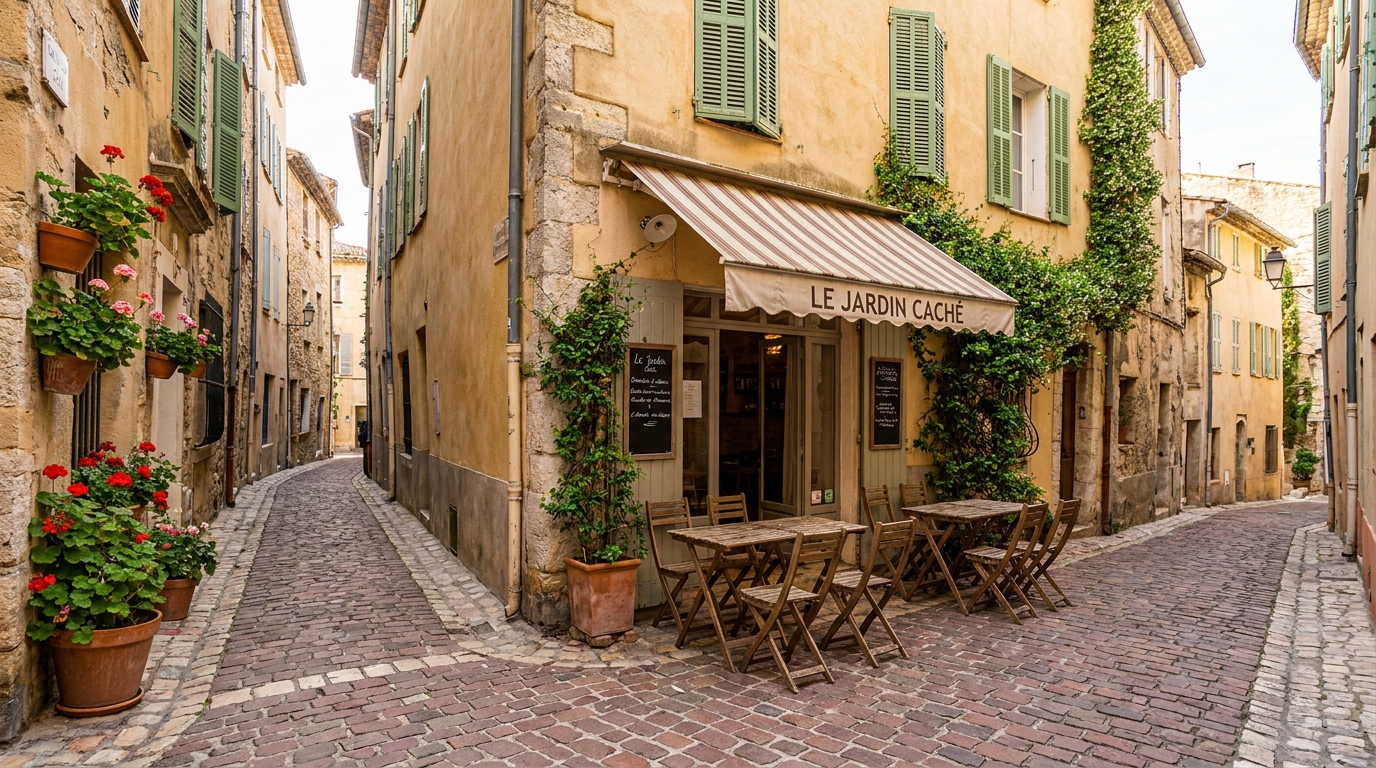
7 Simple Ways to Avoid Tourist Traps Abroad
A few habits separate a memorable meal from an overpriced letdown. Here's how to spot and sidestep tourist traps.
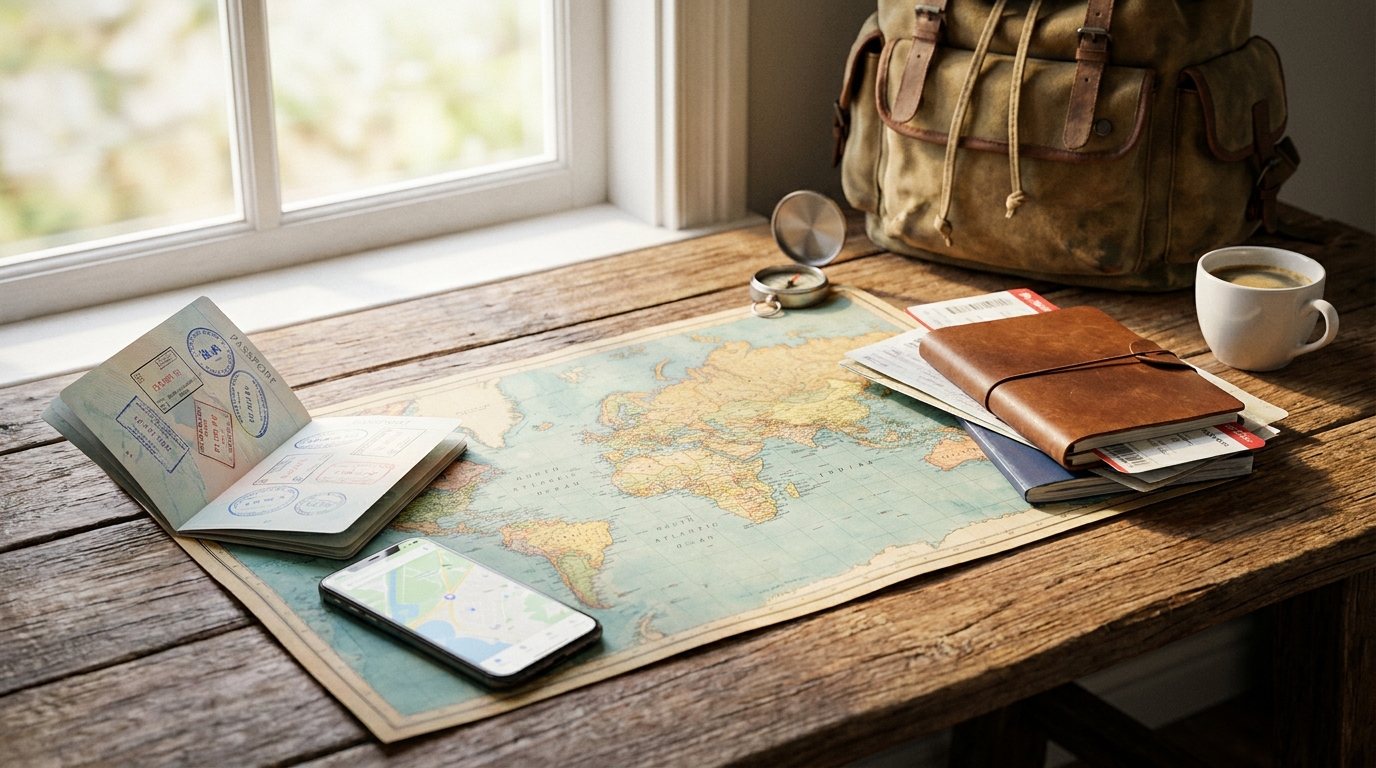
Travel Insurance Explained: What You Actually Need
Travel insurance is confusing on purpose. Here's a plain-language breakdown of what the cover actually means and how to choose a policy.