7 Simple Ways to Avoid Tourist Traps Abroad
Tourist traps aren't just about money — they quietly flatten your experience of a place. Avoiding them is mostly about paying attention to a handful of signals. Once you learn to read the room, you'll find the good stuff almost by reflex, whether you're hunting for dinner in Dubrovnik or a coffee in a Dalmatian backstreet.
What a "tourist trap" actually is
A tourist trap isn't simply an expensive place. It's a business that survives on one-time visitors rather than repeat customers, which means it has little incentive to be good — only to be visible and convenient. That's why traps cluster at the points of maximum footfall: the main square, the harbour promenade, the foot of the famous monument. The food is mediocre, the prices are inflated, and the experience is generic. The fix is to step slightly outside the funnel of foot traffic where locals, not algorithms, decide who stays in business.
Walk a few streets back
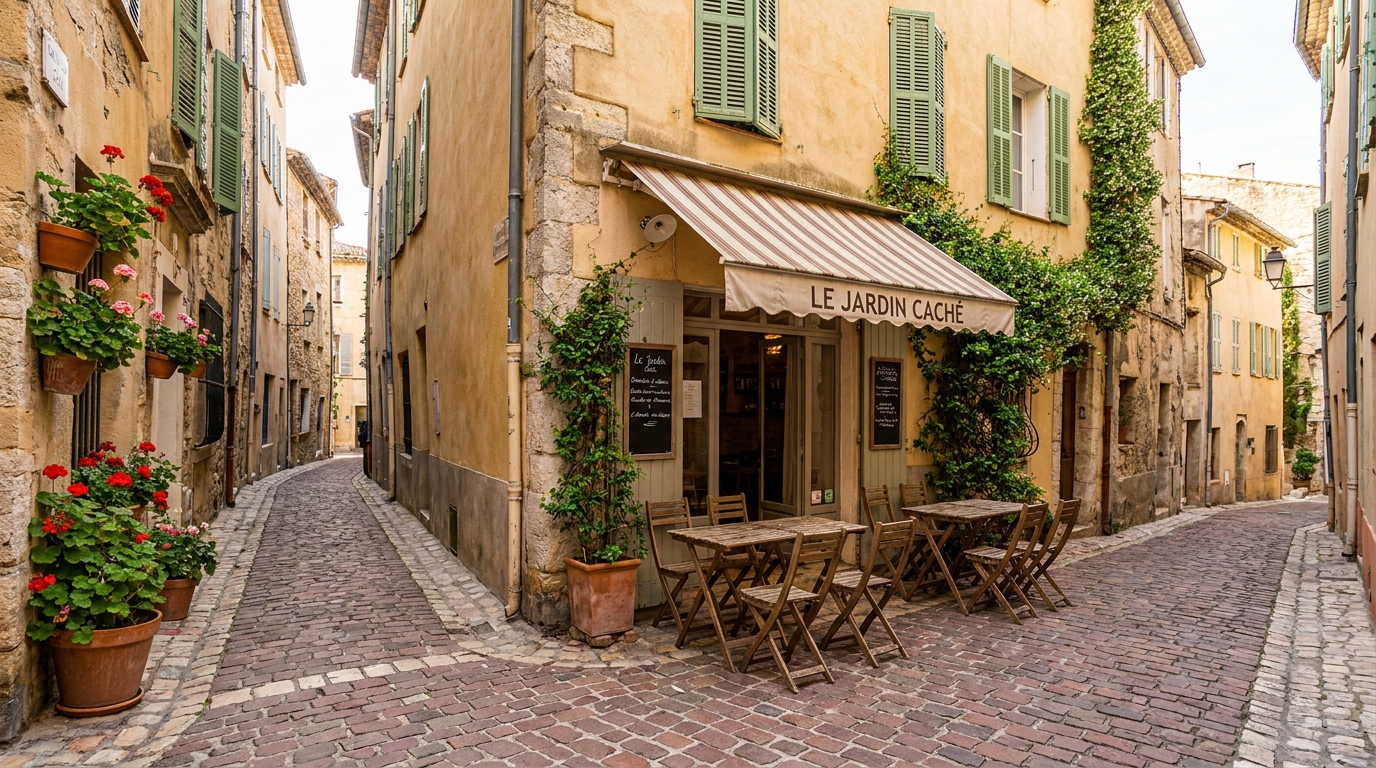
Rents on the main square are high, and the prices reflect it. Restaurants and cafés just two or three streets back are usually cheaper and better, because they rely on regulars rather than one-time visitors.
A useful rule of thumb: the quality often improves in inverse proportion to the view. The place with no sea view, tucked down a side alley, has to win on the food alone. Five to ten minutes of walking away from the headline sight is usually enough to cross from tourist pricing into local pricing.
Be wary of menus with photos and ten languages
A menu translated into eight languages with glossy photos of every dish is built for tourists who don't know the local food. A short menu, often handwritten and seasonal, is a good sign.
The logic is simple. Photographs and a dozen translations exist to sell to people who will never return and can't read the local language — that's the trap's entire customer base. A short menu, by contrast, signals a kitchen that cooks a few things well and changes with what's fresh. Other green flags:
- The menu is in the local language (maybe with one translation), not eight.
- Dishes change with the season rather than offering everything year-round.
- There's a small daily special chalked on a board.
- Prices are clearly listed — vagueness, or "market price" on everything, invites surprises.
Watch where locals eat
A restaurant full of locals at lunchtime is doing something right. An empty place with a host outside waving you in is usually not.
A host physically beckoning you in is a tell: a genuinely good restaurant rarely needs to chase customers off the street. Look instead for the place with a queue of people who clearly aren't tourists, the café where workers grab their morning coffee, the konoba down a lane that's full at 2pm with no English spoken at the next table.
Skip the "free" gifts
A bracelet slipped onto your wrist or a sprig of rosemary pressed into your hand is rarely free. Politely decline and keep walking.
This is a common street tactic in busy tourist zones across the Mediterranean: something is placed in your hand or on your body, and then payment is demanded, often loudly, to create pressure. The defence is simple — don't accept anything handed to you on the street, keep your hands visible and your pace steady, and a firm "no, thank you" without breaking stride. The same instinct applies to:
- Anyone insisting you take a photo and then demanding a tip.
- "Petition" clipboards used as a distraction for pickpocketing.
- Overly friendly strangers who steer you toward a specific shop, bar, or taxi.
Eat when locals eat
In much of southern Europe, lunch and dinner happen later than visitors expect. Showing up at the local hour means fresher food and a livelier room.
In Croatia and much of the Mediterranean, lunch runs into the early afternoon and dinner often doesn't get going until 8pm or later. Arrive at the tourist hour of 6pm and you'll find half-empty rooms and food that's been waiting. Arrive when the locals do and you get the kitchen at full tilt, the atmosphere at its best, and produce that's just been prepared.
Check a couple of independent reviews
Cross-reference a place across more than one platform, and read the middling reviews — they're often more honest than the five-star raves.
Single-platform ratings are easy to game. Look at the same place on two or three sources and watch for consistency. When reading reviews:
- Skip the extremes. The three-star reviews tend to be the most specific and balanced.
- Sort by most recent — a place can change hands or decline.
- Be suspicious of a wall of short five-star reviews posted in a tight cluster of dates.
- Weigh reviews written by locals or in the local language more heavily than generic visitor praise.
Buy crafts from makers, not stalls
Souvenir stalls clustered around the main sights mostly sell imported trinkets. Seek out workshops and markets where you can meet the person who made the item.
The fridge magnets and "handmade" lace near the cathedral are very often mass-produced and shipped in. For something that actually carries the place home with it, look for a maker's workshop, a town market with producers behind their own tables, or a small shop where someone can tell you who made the thing and how. In Dalmatia that might be local olive oil, lavender products from the islands, or genuine handwork — bought from the person whose hands made it.
Practical tips
- Ask a local for one recommendation, not a list — "where do you eat lunch?" gets better answers than "where's good around here?"
- Use map apps to your advantage, but search a street or two off the main drag rather than tapping the first highly rated pin in the tourist core.
- Carry small cash. Some of the best little places are cash-only and don't advertise.
- Treat a hard sell as information: the harder a place pushes, the less it's relying on quality.
- Go early or late to popular sights themselves — beating the crowds also means escaping the trap economy that feeds on them.
The bottom line
Avoiding tourist traps comes down to one habit: notice who a place is built to serve. If it's built for people passing through once, walk on. A few streets back, a shorter menu, a room full of locals, and a maker who'll look you in the eye — follow those signals and the real version of a place opens up, almost always for less money and far more memorably.

Elena has travelled to more than 40 countries, almost always with a single carry-on. She writes our practical travel-tips pieces — packing, staying safe as a solo traveller, and the small habits that make trips smoother. She's currently based in Lisbon between trips.
More about our writers →More in Travel Tips
How to Travel Carry-On Only for Two Weeks
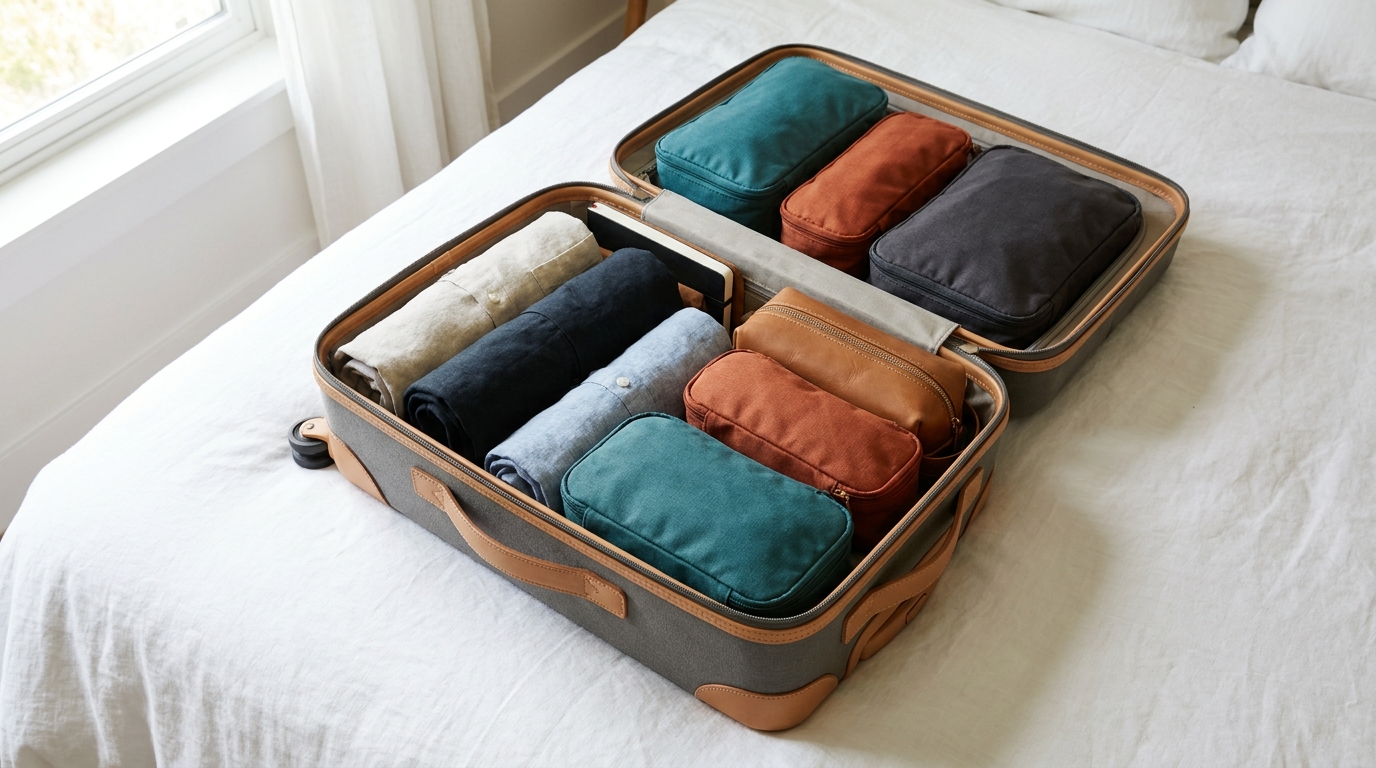
Skipping checked luggage saves money, time and stress. Here's a realistic system for packing two weeks into a single carry-on.
Travel Insurance Explained: What You Actually Need
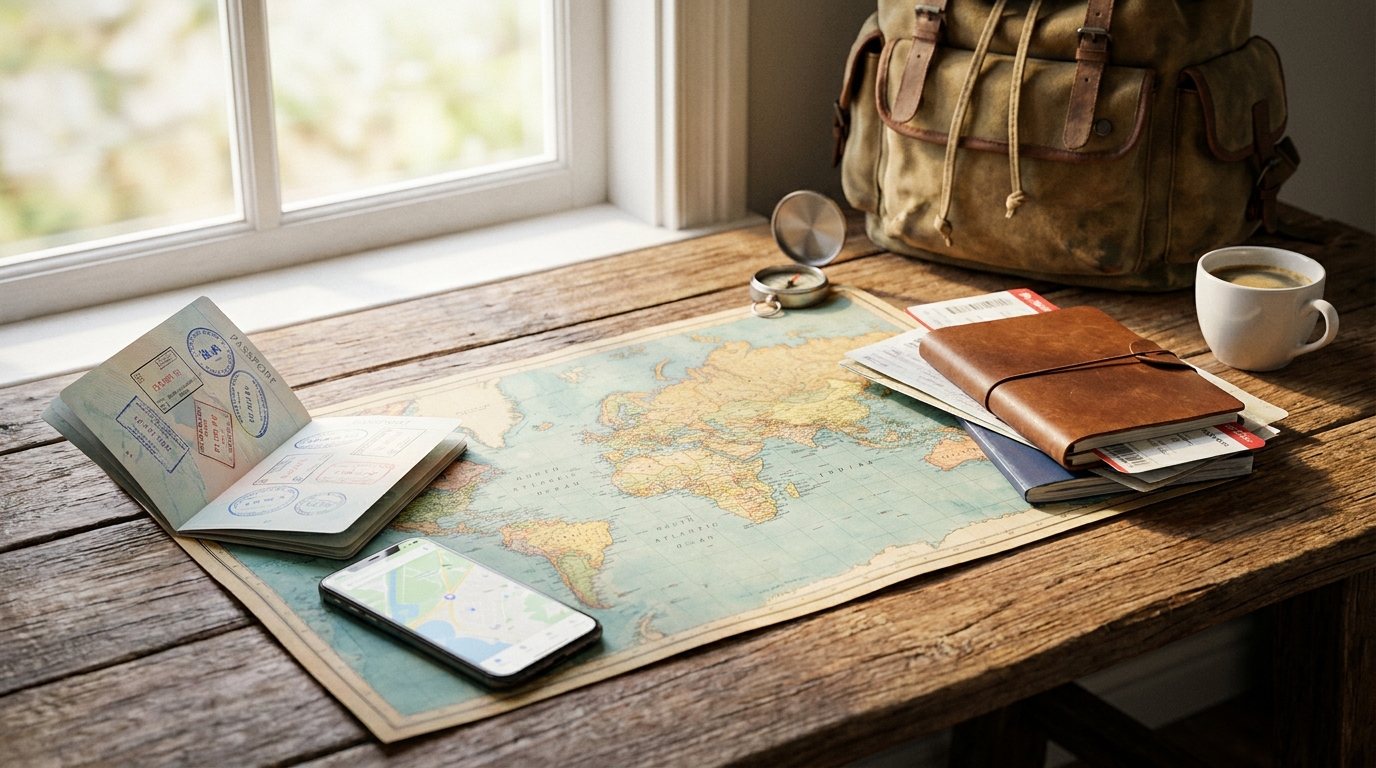
Travel insurance is confusing on purpose. Here's a plain-language breakdown of what the cover actually means and how to choose a policy.
Solo Travel Safety: Practical Habits That Keep You Safe
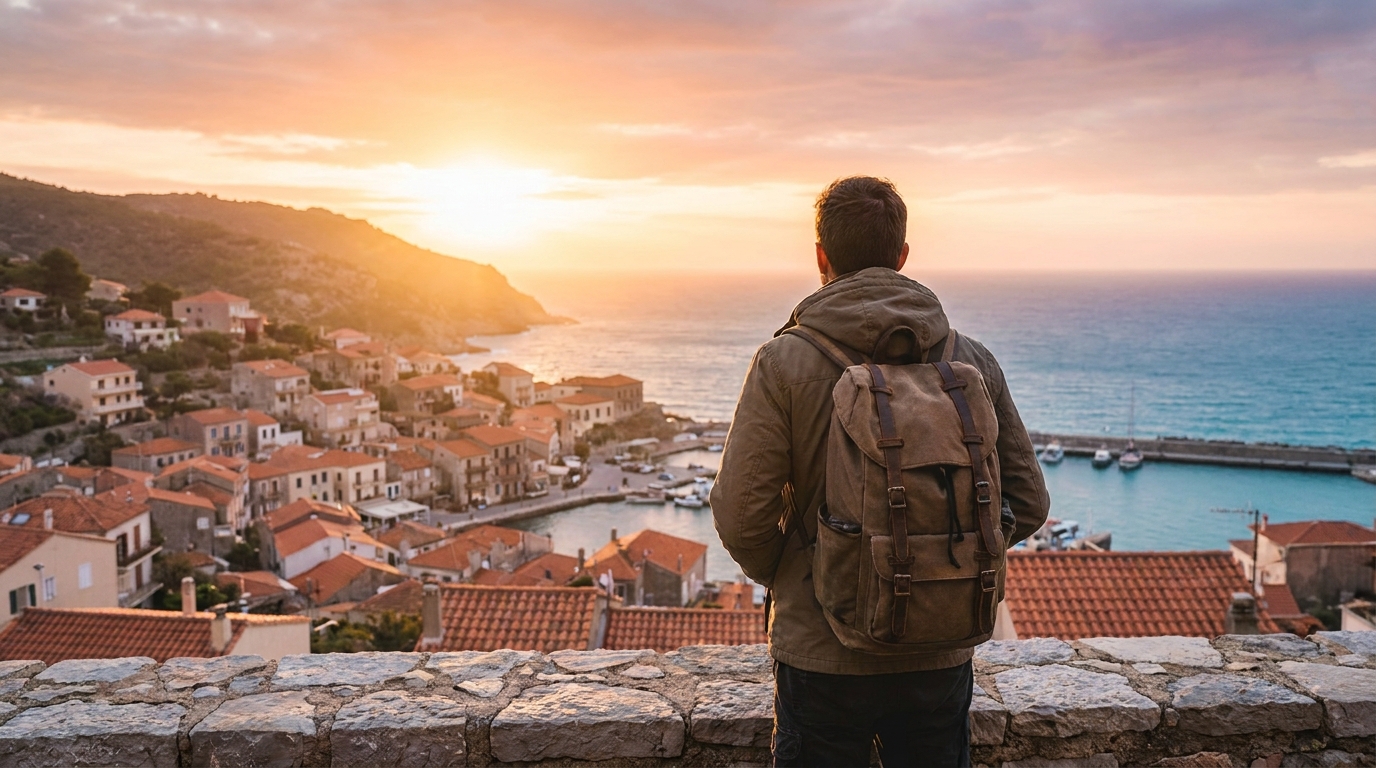
Solo travel is overwhelmingly safe and rewarding. These low-effort habits reduce the small risks that do exist.